
Lieferung heute & morgen

Qualitätsgarantie

Willkommens-Angebote freischalten: KOSTENLOSE Lieferung | Bis zu 80 % RABATT | Kostenlose 30-Tage-JoyPlus-Testphase
App herunterladen
As a Joybuy Product Recommendation Officer, I see every day how parents want to foster their children's independence. A learning tower, often called a kitchen helper for kids, is a popular tool that allows toddlers to participate at eye level in the kitchen or at other work surfaces. However, the market is crowded and not every product delivers on its promise. Before you make a decision, it's important to know the common pitfalls that can lead to a purchase you'll regret.
Many products advertise an appealing design, but the devil is often in the details. Pay attention to these three points to avoid disappointment.
toddler step stool offers no side protection and is unsuitable for unsupervised moments in the kitchen. A tip-proof learning tower must have a well-thought-out geometry and often additional stabilizing feet to prevent it from tipping over.height-adjustable becomes impractical within a few months. Either the platform is too low initially, or the child grows so fast that the top railing no longer serves as a secure barrier. Such a product quickly loses its utility and its value proposition.discovery tower. These products do not meet the specific safety requirements for toddlers standing at a high countertop. They lack the crucial all-around safety enclosure that defines a true learning tower.To find the right learning tower, you should focus on objective and verifiable features. These three parameters are crucial for safety and durability.
A safe learning tower is paramount. Look for a wide, stable base that extends beyond the footprint of the upper platform. Additional side outriggers are a clear indicator of a well-designed, tip-proof construction. The enclosure should surround the child at about hip height and have no large gaps through which they could climb or fall. The material, usually solid wood or high-quality bamboo, also plays a role in overall stability.
A wooden learning tower is not only aesthetically pleasing but also durable and robust when chosen correctly. Look for products made from solid wood like beech or birch, or from sustainable materials like bamboo. An important quality mark is an FSC certification. This seal ensures that the wood comes from responsibly managed forests. Varnishes and paints should be water-based and non-toxic, which is especially important as toddlers tend to mouth objects.
The "grows-with-your-child" functionality is a central feature of a good learning tower. Making a learning tower height-adjustable means that both the standing platform and often the step can be adjusted to several levels. This ensures that your child has an ergonomically correct and safe height relative to the work surface over a long period—typically from their first secure steps until preschool age. Check the specified height levels and compare them with the height of your kitchen countertop.
Instead of making blanket recommendations, we match products to specific user profiles to make your decision easier.
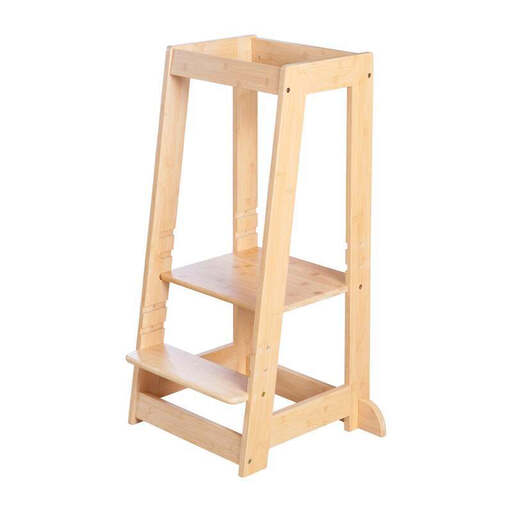
Why this product fits the profile: This model was developed according to the `Montessori learning tower` principle to promote independence. It serves as a safe `kitchen helper for children` and enables participation in family life. The sustainable material appeals to environmentally conscious parents.
The design with splayed legs is engineered for tip-proof stability. Thanks to the height-adjustable platform and step, the tower grows with the child, thus avoiding the pitfall of a short lifespan.
Made from FSC-certified bamboo wood. Load capacity up to 80 kg according to the manufacturer. Three adjustable heights for the platform and step.
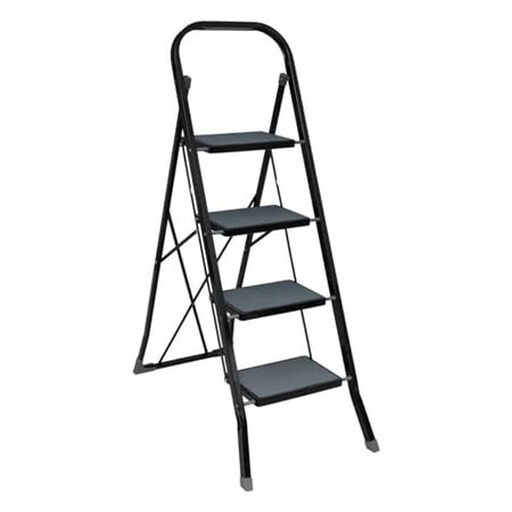
Why this product fits the profile: This is a solution for general household tasks where adults or older, responsible children need a boost. It is not a learning tower, but a versatile folding step stool.
This product avoids the pitfall of improper use by being clearly positioned as what it is: a step stool for adults. Important Note: It does not offer an all-around safety enclosure and is therefore not a substitute for a toddler's learning tower.
Certified according to EN14183, high load capacity of 150 kg according to the manufacturer. Collapsible for space-saving storage. Safety bar for a better grip.
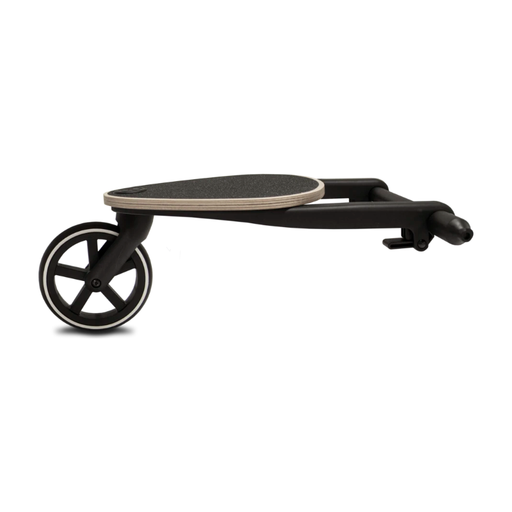
Why this product fits the profile: For families with a baby in the stroller and a toddler who loves to walk but tires quickly, this is an on-the-go solution. It enhances the whole family's mobility on outings.
This product solves a different problem than a learning tower. It clarifies the difference between a stationary learning aid for home and a mobile accessory for the stroller, thereby preventing confusion between use cases.
Specifically designed for the CYBEX Gazelle S stroller. Easy to attach to the stroller frame. Load capacity up to approx. 20 kg according to the manufacturer.
While a learning tower ensures participation at home, other products make daily life with children easier when you're out and about. We've compiled a selection of practical solutions for active families.
A learning tower is generally useful from the moment a child can stand independently and securely. This is usually between 12 and 18 months of age. It is important that the child cannot climb over the top railing and stands safely within the structure. Always observe the manufacturer's age recommendations and weight limits.
Cleaning a wooden learning tower is straightforward. Use a slightly damp, soft cloth to remove dirt. For more stubborn stains, a mild soap solution can help. Afterwards, wipe it dry with a dry cloth. Avoid aggressive cleaning agents or abrasive sponges, as these can damage the wood surface or the finish.
A high-quality learning tower, when assembled and used correctly, is designed for maximum tip-proof safety. Look for models with a wide base, ideally with side stabilizing feet. Always place the tower on a level, solid surface. Supervise your child during use and ensure they do not try to climb up the outside or lean far over the railing.