
Lieferung heute & morgen

Qualitätsgarantie

Willkommens-Angebote freischalten: KOSTENLOSE Lieferung | Bis zu 80 % RABATT | Kostenlose 30-Tage-JoyPlus-Testphase
App herunterladen
By a Joybuy Product Recommendation Officer
Toddlers are naturally curious. They want to be right where the action is—and that's often at the kitchen counter. But trying to balance on a wobbly chair is nerve-wracking for parents and children alike. A learning tower, also known as a discovery tower or kitchen helper, offers a thoughtful solution. It safely raises your child to eye level, allowing them to actively and securely participate in family life.
This article serves as a guide. We will introduce various models and explain the key features to look for, helping you make an informed decision for your family.
Choosing the right model depends on your individual needs, available space, and safety requirements. Here are three key aspects to consider.
Safety is the top priority. A safe step stool for kids must be stable and not tip over, even when the child moves or leans against it. Look for a wide base or special, splayed legs that increase stability. A wrap-around safety rail at an appropriate height is essential to protect the child. Additionally, all edges should be rounded, and the materials and finishes used must be non-toxic and child-safe.
Children grow quickly. A height-adjustable learning tower offers a clear advantage. Both the standing platform and the step should be adaptable to your child's height. This ensures ergonomic and safe use for several years. Also, check the maximum weight capacity. Models that can support a higher weight are often more robustly constructed and will last longer.
Learning towers are typically made of wood, as it is a sturdy and durable material. Models made from solid wood or high-quality plywood are particularly robust. If sustainability is important to you, look for products made from FSC-certified wood, which comes from responsibly managed forests. Since the tower will often be used in the kitchen, smooth, sealed surfaces are a plus. They are easy to clean with a damp cloth and are more resistant to stains and moisture.
Based on these criteria, we have compiled a selection of products that meet different needs.
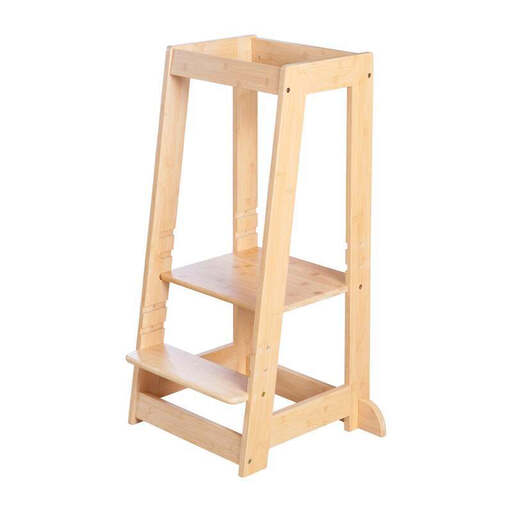
Why It Stands Out: This Montessori learning tower from roba is designed to promote children's independence. The construction from FSC-certified bamboo is not only sustainable but also very stable. The splayed legs provide excellent tip-over resistance.
Pros:
Who It's For: For families looking for a dedicated, safe, and durable kitchen helper that follows the principles of Montessori education and is made from sustainable materials.
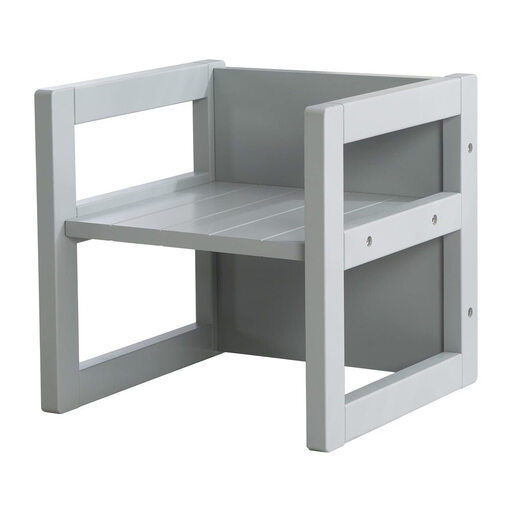
Why It Stands Out: This product isn't a classic learning tower, but a clever 3-in-1 stool. By simply rotating it, it offers three different seat heights (14 cm, 18 cm, or 29 cm) and can even be used as a small table.
Pros:
Who It's For: For families with limited space who are looking for a flexible and multi-functional seating option. It's a great first step for introducing children to independent sitting, but it does not offer the all-around protection of a full learning tower.
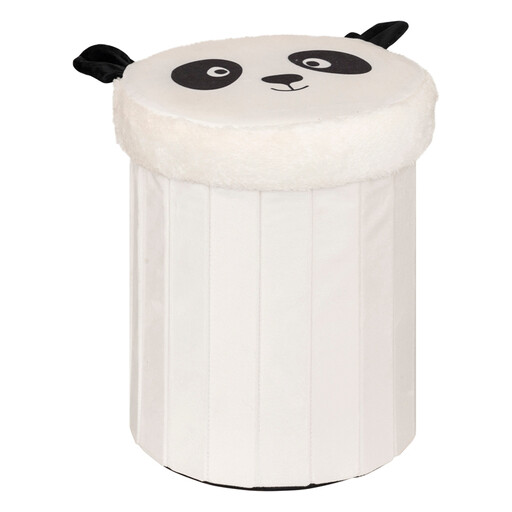
Why It Stands Out: This stool combines seating with practical storage space. The playful panda design makes it an appealing piece of furniture for the playroom.
Pros:
Who It's For: For parents looking for a simple and attractive seating and storage solution for the playroom. It is important to note that, according to the manufacturer, this product is not designed as a step stool or learning tower and should not be used for standing.
Every family has different needs. If the models presented here don't quite match what you're looking for, you might find the perfect solution in our wider selection.
? Discover more stools and chairs for kids in our category
1. From what age is a learning tower recommended? Most manufacturers recommend learning towers for children who can already stand safely and independently, which is typically between 12 and 18 months. It's important that the child is stable enough to hold themselves upright in the tower. Always follow the specific age recommendations of the manufacturer.
2. How do I ensure safety when using a learning tower? Always place the tower on a flat, non-slip surface and never near hazards like a hot stove or sharp objects. Never leave your child unsupervised in the learning tower. Regularly check that all screws and connections are tight, and ensure the platform is set to the correct height for your child.
3. What is the difference between a learning tower and a regular step stool? A regular step stool simply provides one or more steps to reach a higher position. A learning tower, on the other hand, is a platform with a surrounding safety rail. This design allows the child to stand safely and hands-free while working, which is not possible to the same extent on an open step stool.