
Lieferung heute & morgen

Qualitätsgarantie
App herunterladen
Kategorien
The selection of educational toys for ages 3 and up is based on an analysis of the developmental stages of children in this age group. During this phase, cognitive abilities, fine motor skills, and language development advance significantly. Appropriate educational toys can support these processes in a structured way by offering targeted stimuli for creativity, logical thinking, and hand-eye coordination. The focus is on products that strike a balance between playful engagement and educational value.
The evaluation of toys for 3-year-old children should be based on objective criteria. The following parameters are relevant for making an informed decision:
The following products were selected based on their technical specifications, functional design, and specific utility for the target audience.
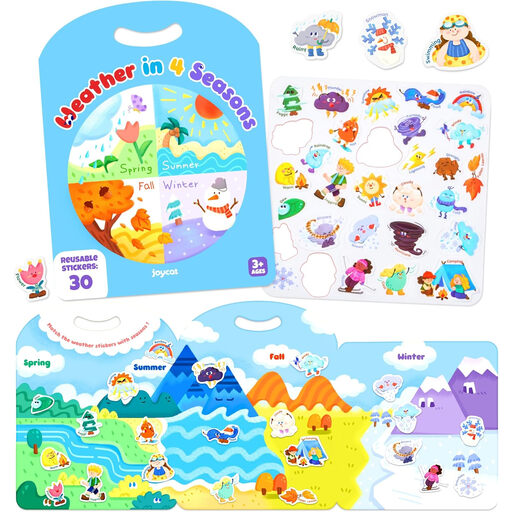
Why we recommend this product This sticker book for toddlers stands out for its reusability and portability. The 30 gel stickers adhere to the laminated pages as well as other smooth surfaces and can be removed and repositioned without leaving any residue. The material is waterproof and washable, which increases its durability. The integrated design with a carrying handle and storage for the stickers makes it a functional travel toy for kids and a great activity for car rides.
Benefits:
Who it's for:
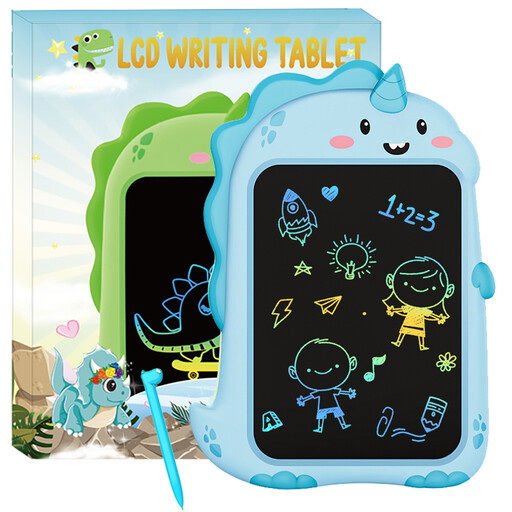
Why we recommend this product The CHEERFUN LCD Writing Tablet offers a digital, yet screen-time-free, alternative to paper and pens. The 8.5-inch display allows for drawing and writing with the included stylus. The drawing surface is instantly cleared at the touch of a button. According to the manufacturer, the housing is made of eco-friendly ABS plastic and is free of BPA and formaldehyde. Weighing approximately 166 grams and featuring rounded edges, the device is designed for children's hands.
Benefits:
Who it's for:
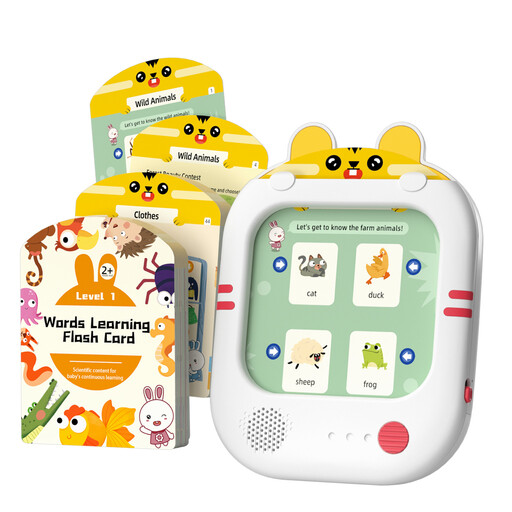
Why we recommend this product This learning tablet for kids takes a screen-free approach to education. The set includes 47 double-sided cards with over 180 words and more than 180 logic games. The child uses an interactive pen to tap on pictures or words on the cards, and the device responds with the correct pronunciation or an instruction. The integrated battery is charged via USB-C and offers up to 6 hours of playtime, according to the manufacturer.
Benefits:
Who it's for:
The featured products cover specific use cases, from creative engagement to structured learning. If you would like to compare a broader selection of products for this age group, you can find more options in our Toy Gifts for Toddlers category.
1. What skills do educational toys specifically promote in 3-year-old children? Educational toys for three-year-olds target the development of several core competencies. These include fine motor skills (e.g., by grasping small parts), hand-eye coordination (e.g., when drawing or doing puzzles), cognitive development (logic, problem-solving, memory), and language promotion through naming colors, shapes, and objects.
2. How can I identify safe toys for my child? A primary indicator is the CE marking, which confirms compliance with EU safety standards. Check the toy for sturdy construction, rounded edges, and the absence of small parts that could detach and be swallowed. Manufacturer information on materials used (e.g., "BPA-free") provides additional assurance.
3. Which toys are suitable for keeping a child occupied on a long car ride? For car rides, compact, self-contained toys that don't create a mess and require little space are particularly suitable. The reusable sticker book and the LCD writing tablet are excellent examples, as they produce no loose small parts (like pens or scraps of paper) and can keep a child engaged for an extended period.