
Lieferung heute & morgen

Qualitätsgarantie

Willkommens-Angebote freischalten: KOSTENLOSE Lieferung | Bis zu 80 % RABATT | Kostenlose 30-Tage-JoyPlus-Testphase
App herunterladen
Learning toys for babies and toddlers should do more than just keep them occupied – they need to suit their particular stage of development. Between motor skills toys, sensory toys, musical options and creative learning products, there are significant differences in materials, volume, power supply and safety requirements. A flashy design or a long list of features alone tells you very little about whether a toy will actually work well in everyday family life.
As a Joybuy Product Recommendation Officer, I filter product information according to clear, traceable criteria and match them to different everyday situations. This makes it easier to decide whether, for example, baby toys from 6 months, learning toys from 1 year or a gift for children aged 3 and over is the right choice.
An activity cube with piano keys, gears and a telephone function can be versatile. However, a six-month-old baby has very different requirements to a three-year-old child. Small parts, complicated operating sequences or an awkward height can mean the toy hardly gets used.
The age recommendation should therefore always be matched to the child's abilities. For products with small parts, the warning notice is particularly important: the Alilo learning tablet, for example, contains double-sided cards and states it is suitable from 3 years, with a potential choking hazard.
Musical toys and interactive learning toys often use melodies, animal sounds or light effects. Without a volume control, this can be impractical in a flat, in the car or during quiet times. Look out for an adjustable volume, a sleep mode and easy-to-reach controls.
With electronic toys, you should also check the batteries or rechargeable cells. Some products require batteries that are not included in the delivery. This increases the actual purchase price and can lead to ongoing costs with frequent use.
Phrases like "safe" or "non-toxic" should not be taken at face value as a comprehensive guarantee. More meaningful are specific details about materials, age rating, warnings and standards. For several of the products listed here, the suppliers mention ABS plastic, rounded edges and CE and EN71 conformity. This information comes from the respective product descriptions and should be checked against the details on the product page before purchase.
For babies from 6 months, simple play sequences with large, easy-to-reach elements are ideal. A baby musical toy with drum surfaces, shape sorting and animal sounds offers several ways to interact without needing a screen. For toys with moving parts or a battery compartment, adult supervision remains important.
For children from 1 year, Montessori toys, activity cubes and play tables can be of interest. What matters are stable bases, easy-to-operate switches and a size that suits grasping, sitting or standing. A toy that can also be used on the floor can be more flexibly adapted to motor development.
From 3 years onwards, language, logical thinking, role play and creativity become more central. An LCD writing tablet for children or a learning tablet with audio playback can be an alternative to constant screen time.
Check whether the manufacturer specifies materials such as ABS or BPA-free plastic. Also important are burr-free, rounded edges, a sturdy casing and a securely closing battery compartment. For cards, writing surfaces and electronic components, the cleaning instructions should be clearly stated. For the Alilo tablet, for example, a dry, soft cloth is recommended; liquids and abrasive cleaning agents should be avoided.
A compact activity cube can be more practical for small flats, travel or restaurant visits than a large play table. An electric ride-on car, on the other hand, needs sufficient outdoor space, a charging spot and a safe, level environment. Technical specifications such as dimensions, maximum load, speed, battery voltage and charging time should fit your everyday life before you buy.
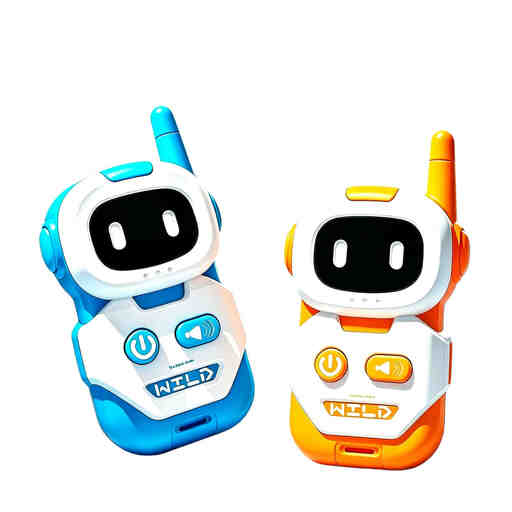
Why this product fits the profile: This toy combines drum surfaces, light effects, shape sorting and animal sounds in a compact casing.
The product information states an age range of 6 to 36 months, rounded edges and BPA-free ABS plastic. Batteries are not included and should be factored in.
Several manual play actions plus shape and colour sorting; suitable for early cause-and-effect experiences.
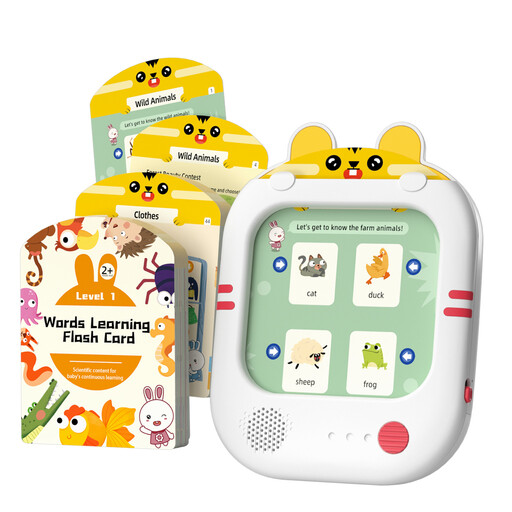
Why this product fits the profile: This screen-free learning system is aimed at pre-school children and is designed for independent use at home or on the go.
The age group, the number of 47 double-sided cards and the warning about small parts are all clearly stated.
Over 180 words and more than 180 logic games according to the product description; USB-C charging and up to 6 hours of stated playtime.
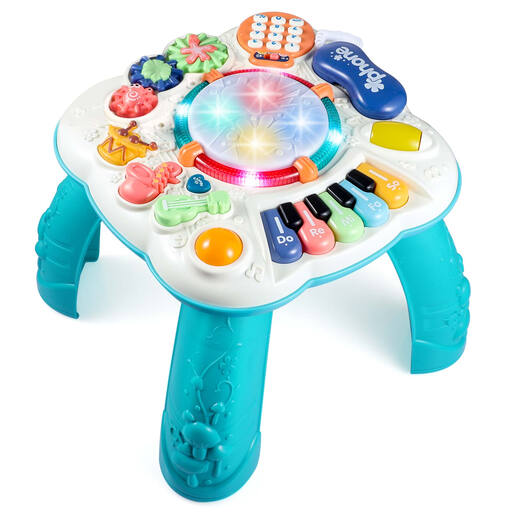
Why this product fits the profile: The table offers several play zones and, according to the description, can also be used as a floor play mat with removable legs.
The adjustable use and a volume control address two common problems: short usage duration and persistently high noise levels.
Six play areas, removable legs and stated volume control for different living situations.
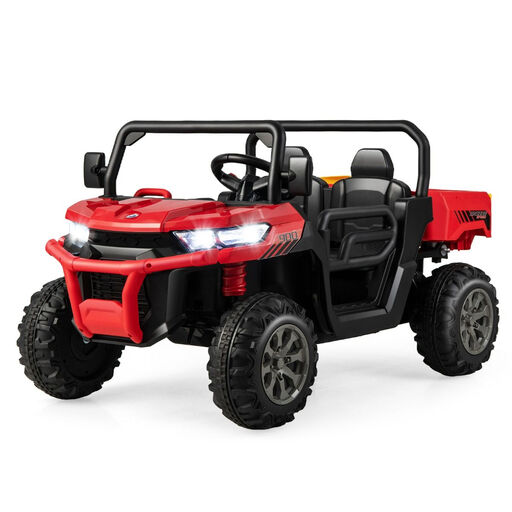
Why this product fits the profile: This vehicle is aimed at children aged 3 to 8 years and is intended for supervised rides on suitable surfaces.
Before buying, you can specifically check the space required, maximum load of 50 kg, speed of 3 to 8 km/h and charging time of 8 to 12 hours.
Two seats, 2.4 GHz remote control, safety belt and soft start according to the product description.
We have put together a complete, regularly updated list of products that fully meet these strict selection criteria and the safety regulations in force in the EU.
For babies from 6 months, large, easy-to-grasp elements, simple cause-and-effect reactions and robust materials are ideal. Examples include sensory toys, rattles, shape sorters or a floor play mat with large buttons. The manufacturer's age recommendation and warnings should always be taken into account.
The lifespan depends on the material, intensity of play, cleaning and how well it adapts to the child's age. Products with multiple play modes, removable parts or adjustable use can stay interesting for longer. Electronic toys should be stored in a dry place and charged according to the manufacturer's instructions.
With battery-operated toys, there are ongoing costs for replacement batteries. A rechargeable model, on the other hand, needs regular charging and a suitable charging cable. So check the power supply, the stated playtime and whether batteries are already included in the delivery before you buy.