
Lieferung heute & morgen

Qualitätsgarantie

Willkommens-Angebote freischalten: KOSTENLOSE Lieferung | Bis zu 80 % RABATT | Kostenlose 30-Tage-JoyPlus-Testphase
App herunterladen
Learning toys for children should stay interesting for as long as possible, be suitable for their age and encourage them to explore independently. In practice, however, unclear age recommendations, materials that may not be durable enough or toys with limited uses can quickly lead to disappointing purchases. This matters to families, as well as nurseries, schools and other educational settings.
A high piece count may look appealing at first. What matters, though, is whether the pieces can be used in different ways. Wooden building blocks for children, for example, should be suitable for stacking, sorting, balancing and creative building. A set with just a few basic shapes may offer more long-term versatility than a larger toy designed for only one type of play.
Stacking toys for children aged 3 and over may contain small parts that aren’t suitable for younger children. For babies and toddlers, clearly visible warnings, the recommended age range and the size of individual pieces are particularly important. Toys containing small parts should not be left with children under three without supervision.
Bright colours and natural materials can make play more appealing, but they don’t replace checking a product’s specific features. When choosing soft building blocks for babies or motor skills toys for toddlers, parents should check the materials, dimensions, cleaning instructions and stability. For older children, the complexity of the activities and how easy the instructions are to follow also matter.
The age recommendation is a useful guide to a product’s complexity and safety. Before buying, check:
A balancing tower toy with a die and lots of small blocks should only be used under close supervision. For babies, larger, soft pieces may be more suitable, provided they’re used in accordance with the manufacturer’s instructions.
For wooden toys, the stated material, surface and edges are important things to check. Some building and stacking sets specifically list pine wood as a material. Buyers should also check whether the surface can be cleaned with a slightly damp cloth and whether visible cracks or sharp edges can be ruled out.
For EPE or EVA foam modules, the dimensions, shape retention and cleaning instructions are key. These pieces can be used to create movement courses, but they need enough space and should be checked regularly for damage.
Educational toys are particularly practical for everyday use when they suit a child’s interests and abilities. Stacking, sorting and balancing games can be a good choice for children aged around three and over. For primary school children, experiment kits and STEM toys may be more suitable, provided the activities are explained in an age-appropriate way and an adult is on hand to help if needed.
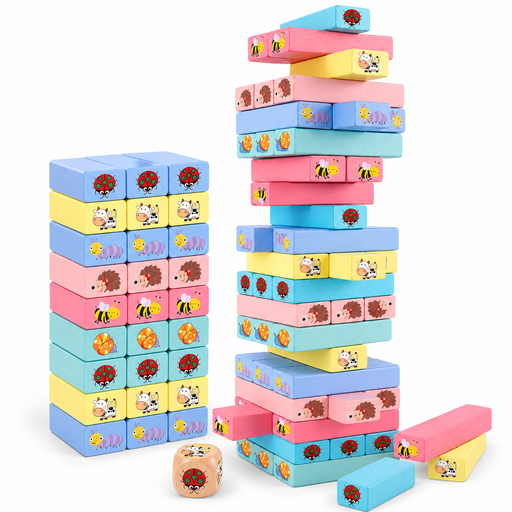
Why it suits this profile: This set combines stacking, sorting and balancing in one game and, according to the product information, is suitable for children aged three and over. The 51 pieces offer different ways to play at home or on the go.
The blocks aren’t limited to building just one design. The included die adds another rule to the balancing game.
51 pieces; animal designs; die for extra ways to play; recommended for ages 3 and over.
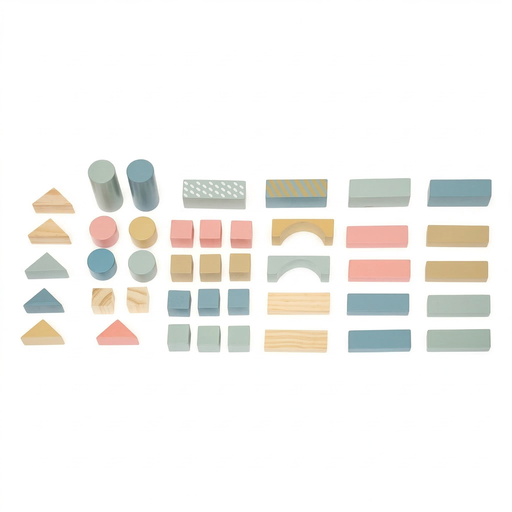
Why it suits this profile: According to the product description, this 50-piece set is made from pine wood and offers open-ended play without a fixed building guide. The stated product dimensions are 15,5 × 14,5 × 15,5 cm.
Its open-ended design means play doesn’t rely on a single idea. Before buying, check the surface, edges and care instructions in the product information.
50 pieces; pine wood listed as the material; multicoloured design; open-ended play for creative building.
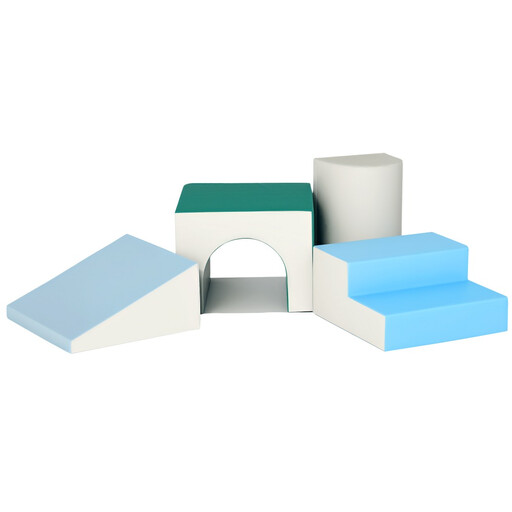
Why it suits this profile: According to the product name, this four-piece module is made from EPE foam and is designed for toddlers and pre-school children. It can be used to create movement courses in suitable indoor spaces.
The modules are designed for a specific movement-based purpose. Before ordering, consider the space available, cleaning requirements and the need to check the foam regularly.
Four modules; EPE foam according to the product name; suitable for creating movement courses at home or in educational settings.
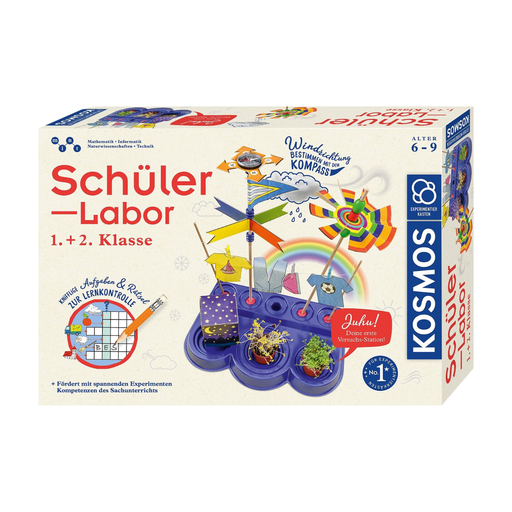
Why it suits this profile: According to the product information, this set is aimed at children aged 6 to 9 and includes over 50 experiments covering light, shadows, air, water and the senses. Illustrated, step-by-step instructions make it suitable for use at home or in the classroom.
The topics and age range are clearly specified, making it easier to decide whether the set is right for a child’s school age and the subject area they want to explore.
Over 50 experiments; suitable for ages 6–9; topics from science and technology; illustrated instructions; adult supervision required.
We’ve put together a complete, regularly updated list of products that meet these strict selection criteria and fully comply with the safety regulations in force in the EU.
With supervision, children aged three and over can try wooden building blocks, stacking games, sorting games and simple balancing towers, for example. Check that the age recommendation is appropriate and that any risks from small parts are addressed. Always follow the manufacturer’s specific guidance.
How long a toy stays in use depends less on the number of pieces and more on the variety of ways to play. Open-ended building and stacking sets can be used at different levels of difficulty. With experiment kits, the length of time they remain engaging also depends on the number of activities and the household materials available.
That depends on the set. Some experiments use the components included, while others require everyday household items such as water, paper or certain kitchen utensils. Before buying, parents and educational settings should check the materials list and any instructions about adult supervision.