
Lieferung heute & morgen

Qualitätsgarantie

Willkommens-Angebote freischalten: KOSTENLOSE Lieferung | Bis zu 80 % RABATT | Kostenlose 30-Tage-JoyPlus-Testphase
App herunterladen
The right LED ambient lighting can transform a space—turning a simple room into an immersive gaming den, a productive home office, or a relaxing oasis. But the market is flooded with products whose marketing promises often shine brighter than the LEDs themselves. Before you invest, it's crucial to understand the common pitfalls that lead to disappointment and unnecessary expense.
As your Joybuy Product Recommendation Officer, I'll help you define objective criteria for your selection and find products that live up to their technical specifications.
Many buyers experience disappointment shortly after their purchase. Certain defects are particularly common and can be avoided with a careful pre-purchase inspection.
To avoid these pitfalls, focus on three core technical features. These determine the quality, functionality, and longevity of your new lighting.
The type of LED chips used is crucial for the visual effects.
Operation should be flexible and reliable. Check which options are offered:
The form of the light source determines its application.
Here are some recommendations tailored to different user profiles and their specific requirements.
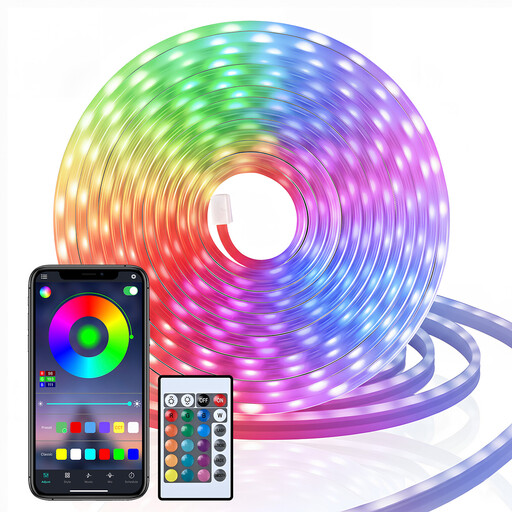
Why This Fits Their Persona: Ideal for users who want to get started with ambient lighting on a limited budget. With app and remote control plus music sync, the strip offers a solid feature set for a bedroom or desk.
It bypasses the pitfall of unstable connectivity by offering both an app and a physical remote. If the app fails, basic functionality is still maintained.
Excellent value for money; flexible control options; built-in microphone for music synchronisation.
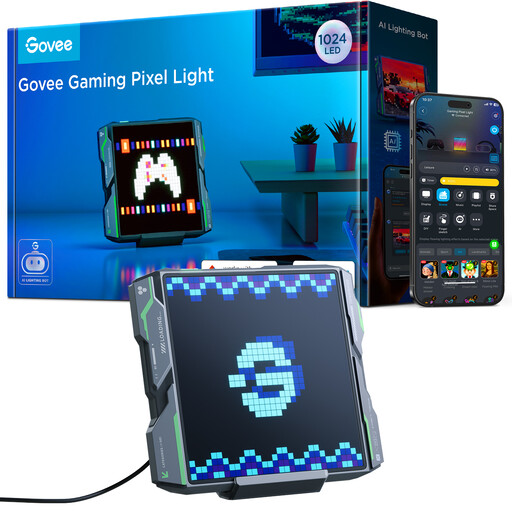
Why This Fits Their Persona: For discerning users who are looking for more than just illumination. This panel is a creative tool for creating pixel art, displaying information, and crafting a highly personalised gaming atmosphere.
It avoids the pitfall of inaccurate colours with a 32x32 pixel grid that displays clear and defined images. The mature Govee app ensures stable and feature-rich control.
Extreme customisation through pixel art creation; can serve as a smart display for weather or sports scores; responsive music modes.

Why This Fits Their Persona: Perfect for anyone looking to make a targeted design statement. This neon light isn't an all-purpose light source but a decorative piece of art that gives a home bar or living room a unique, trendy character.
It avoids the pitfall of dim lighting by being designed as a focused neon sign whose impact is based on its design, not room illumination. Its quality lies in the visual accent it provides.
Strong design statement; creates a specific atmosphere; simple wall mounting and setup via USB.
We have compiled a complete, up-to-date list of products that fully meet these strict selection criteria and safety regulations.
1. How much power does LED ambient lighting consume? The power consumption of LED lighting is generally very low. A typical 5-metre LED strip uses between 15 and 30 watts, depending on brightness and colour. Modular panels or larger installations may consume more but remain extremely energy-efficient compared to traditional incandescent bulbs. You can find the exact specifications in the technical data for each product.
2. Can RGB LED strips be cut to size? Yes, most flexible LED strips can be cut at designated points. These are typically marked with a scissor icon and copper contacts. It is important to cut only at these markings, as doing otherwise can damage the circuitry and render parts of the strip unusable.
3. What is the difference between RGB and RGBIC? The main difference lies in how the LEDs are controlled. With RGB, the entire strip lights up in a single colour. With RGBIC, different segments of the strip can display different colours simultaneously. This allows for dynamic, flowing effects like a rainbow, which are not possible with standard RGB. For varied and modern gaming room lighting, RGBIC is the superior technology.