
Lieferung heute & morgen

Qualitätsgarantie

Willkommens-Angebote freischalten: KOSTENLOSE Lieferung | Bis zu 80 % RABATT | Kostenlose 30-Tage-JoyPlus-Testphase
App herunterladen
By the Joybuy Product Recommendation Officer Published on August 28, 2026
The right LED ambient lighting can completely transform the atmosphere of a room or garden. Whether for a relaxing living space, a dynamic gaming setup, or festive occasions—the possibilities are endless. However, the market is overwhelming and filled with products whose marketing promises turn out to be costly disappointments upon closer inspection. Before you make a decision, you should be aware of three common pitfalls that lead to buyer's remorse.
To avoid these issues, it's crucial to focus on objective technical parameters rather than advertising claims.
An informed purchasing decision is based on understanding a few crucial technical features. These determine whether a product is suitable for your intended use and will deliver long-term satisfactory performance.
The IP (Ingress Protection) rating is an international standard that indicates how well an electrical device is protected against the intrusion of foreign objects (first digit) and water (second digit). For LED ambient lighting, the following classes are relevant:
The type of control significantly impacts convenience and functionality. Consider which system best suits your needs.
The quality of the light depends on the installed LEDs and how they are controlled.
Based on these objective criteria, we have identified several products that represent a suitable solution for specific user profiles.
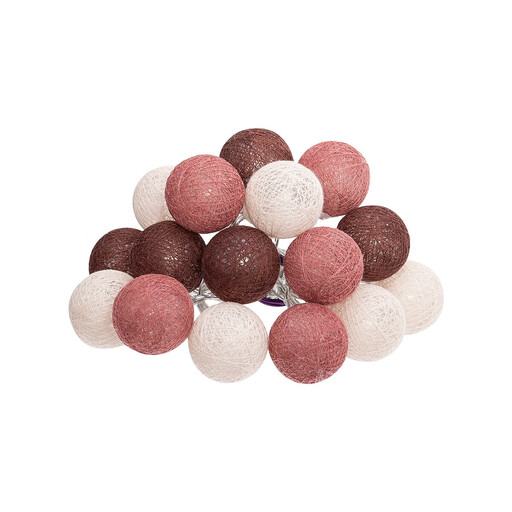
Why this product fits: Ideal for seasonal accents, as party lighting, or for creating a cosy atmosphere indoors without complex installation or high costs. The battery-powered function offers maximum placement flexibility.
The product is clearly declared with IP20 for indoor use. This prevents the false assumption of weather resistance and protects against disappointment when used outdoors.
Battery-operated for flexible placement; decorative design with colourful balls for an instant mood boost.
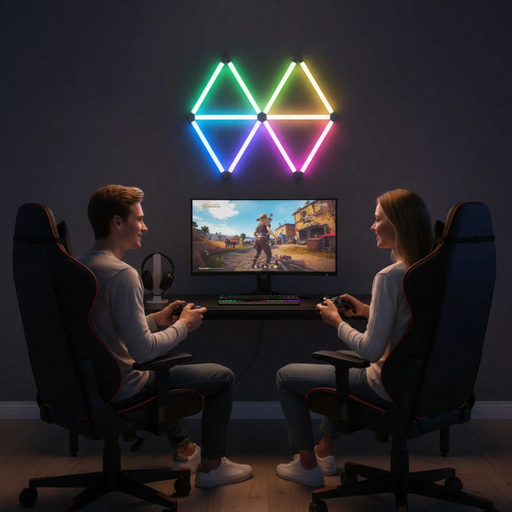
Why this product fits: Perfect for creating immersive gaming lighting or a dynamic home cinema ambience. The music synchronisation and control via app or voice assistant (Alexa, Google Assistant) meet the demands of a modern, connected home.
It relies on the established "Smart Life" app and Wi-Fi connectivity, ensuring more reliable setup and control compared to unknown, proprietary systems, thus minimising the frustration of unstable connections.
Music synchronisation via an integrated microphone; compatible with Alexa & Google Assistant; modular DIY design for creative wall installations.

Why this product fits: An energy-efficient and straightforward solution for year-round indirect lighting outdoors. The outdoor solar string light requires no external power source and automatically turns on at dusk, making it ideal for gardens, patios, and balconies.
With an IP65 certification, this string light is explicitly designed for use in rain and adverse weather. It thus avoids the pitfall of products that are only splash-proof and would quickly fail in unprotected outdoor use.
Fully solar-powered (no electricity costs or wiring); high weather resistance (IP65) and 8 different lighting modes for varied effects.
We have compiled a complete, up-to-date list of products that fully meet these strict selection criteria and German safety regulations.
The IP rating indicates how resistant a product is to the ingress of solid objects (first digit) and water (second digit). For indoor use, IP20 is sufficient. For a covered balcony, IP44 (protection against splashing water) is recommended. For unprotected outdoor use where the lighting is exposed to rain, it should be at least IP65 (protection against water jets).
The power consumption of LED lighting is generally very low. A typical 5-metre string light consumes between 10 and 25 watts, depending on the brightness and model. Solar-powered models incur no running electricity costs but their illumination duration depends on the day's sun exposure. The exact power consumption in watts (W) is listed in the product specifications.
Yes, most LED strips can be cut. They have marked cutting points, usually in the form of a small scissor icon, located at regular intervals (e.g., every 5 or 10 cm). It is important to cut only at these designated points, as doing otherwise will damage the strip's functionality. The cut-off section generally cannot be reused without special accessories (connectors).