
Lieferung heute & morgen

Qualitätsgarantie

Willkommens-Angebote freischalten: KOSTENLOSE Lieferung | Bis zu 80 % RABATT | Kostenlose 30-Tage-JoyPlus-Testphase
App herunterladen
Choosing a new LED ceiling light can quickly become overwhelming. The market is filled with models that vary greatly in design, function, and price. But not every light lives up to its product description. As a Joybuy Product Recommendation Officer, I see daily which pitfalls lead to disappointment. This guide will help you bypass common marketing traps and make an informed decision for your spaces.
Many buyers focus on appealing images and low prices, overlooking crucial technical details in the process. This often leads to a bad purchase. Pay special attention to these three points:
To avoid these pitfalls, you should focus on three objective metrics. These provide reliable information about the actual performance of an LED ceiling light.
The Watt (W) specification only describes a light's energy consumption. The actual brightness is measured in Lumens (lm). A modern LED ceiling light produces a high lumen output with low wattage.
As a rule of thumb for ambient lighting in living spaces:
For a 20 m? living room, you would therefore need a light or a combination of lights with a total of 2000–3000 lumens.
The color temperature, measured in Kelvin (K), determines whether the light is perceived as warm or cool.
A dimmable LED ceiling light with adjustable color temperature offers maximum flexibility to adapt the lighting to different situations.
The CRI (Color Rendering Index) indicates how true to life colors appear under artificial light. A value of CRI > 80 is standard today and ensures that skin tones, food, and furnishings do not look distorted. For areas where accurate color perception is important (e.g., at a vanity or in the kitchen), an even higher value is beneficial.
Based on these objective criteria, we have put together some models for different needs and interior styles.
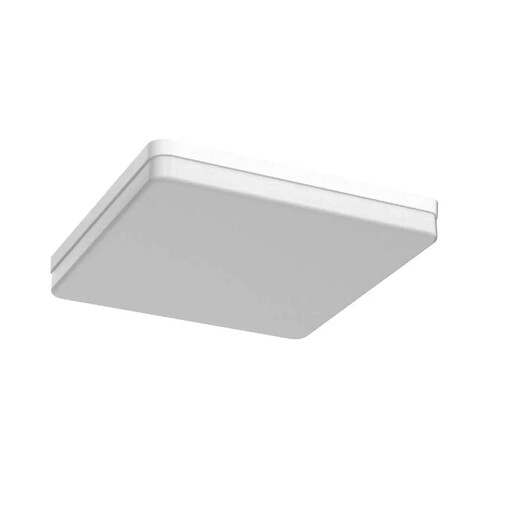
Why This Fits Their Persona: Ideal for users seeking bright, reliable lighting for functional spaces like hallways, kitchens, or utility rooms. The simple, square design and low profile blend unobtrusively into any ceiling.
With 3300 lumens, this light delivers high brightness, avoiding the trap of insufficient illumination. The color temperature of 4500K (Neutral White) is a versatile middle ground that is neither too sterile nor too yellow.
High light output for rooms up to 20 m?. Very low-profile design (approx. 3.5 cm) for seamless ceiling integration. Flicker-free illumination with a CRI value of over 80.
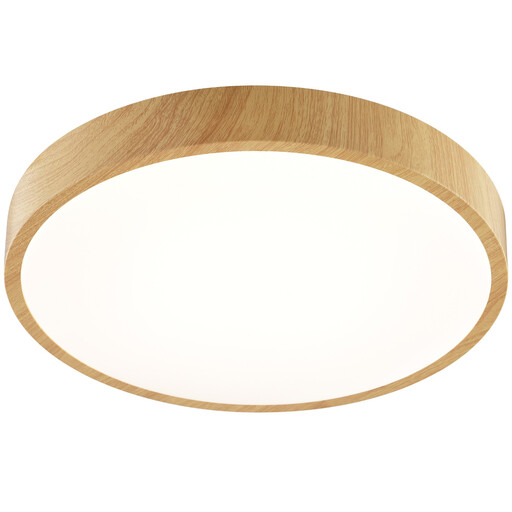
Why This Fits Their Persona: Perfect for design-conscious buyers looking for a modern ceiling light with a natural accent. The wood-effect finish creates a warm, inviting atmosphere in living rooms or bedrooms.
The color temperature of 3000K (Warm White) is specifically designed for living areas, avoiding the pitfall of uninviting, cool lighting. The product description clearly states that it is a wood-effect finish on plastic, ensuring transparency.
Combines a modern, flat shape with a cozy wood-effect finish. Delivers a pleasant ambient brightness of 2300 lumens for medium-sized rooms.
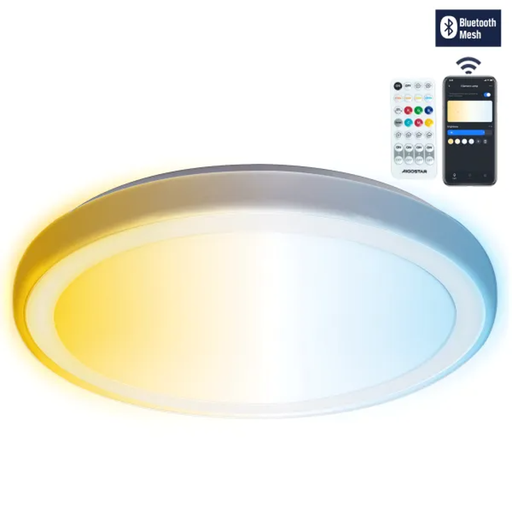
Why This Fits Their Persona: For tech-savvy users who want to adapt their lighting to any situation—from focused work in daylight white to relaxed evenings with dimmed warm white light.
Thanks to the adjustable color temperature (3000K-6500K), a buying mistake regarding the light ambiance is impossible. The brightness is also very high at up to 3960 lumens and is dimmable, giving you full control over the lighting conditions.
Control via Bluetooth Mesh. Steplessly adjustable color temperature and brightness. High CRI value (≥80) for natural color rendering.
We have compiled a complete, up-to-date list of products that fully meet these strict selection criteria and German safety regulations.
A simple calculation helps: Multiply the room area in square meters by the recommended lumen value per square meter. For a 15 m? bedroom, for example, this would be 15 m? × 150 lm/m? = 2250 lumens. This serves as a guideline for uniform ambient lighting.
The lifespan of integrated LEDs is specified in operating hours and is typically between 20,000 and 50,000 hours. With an average use of four hours per day, this corresponds to a lifespan of about 13 to 34 years. The entire fixture only needs to be replaced at the end of this long period.
While the mechanical mounting on the ceiling is often manageable for experienced DIY enthusiasts, the electrical connection must be carried out by a qualified electrician for safety and insurance reasons. Always turn off the circuit breaker before performing any work on the light fixture.