
Lieferung heute & morgen

Qualitätsgarantie

Willkommens-Angebote freischalten: KOSTENLOSE Lieferung | Bis zu 80 % RABATT | Kostenlose 30-Tage-JoyPlus-Testphase
App herunterladen
Choosing a new LED ceiling light can quickly become overwhelming. Specifications like lumens, Kelvin, or IP ratings often seem technical and hard to grasp. This confusion frequently leads to poor purchases: the living room lamp creates a cold, uninviting atmosphere, the bathroom light fails after a short time, or the light advertised as "dimmable" flickers annoyingly.
As your Joybuy Product Recommendation Officer, I'm here to help you navigate these common pitfalls. We'll focus on the facts that truly matter, so you can make an informed decision and find a lighting solution that delivers years of functional and aesthetic satisfaction.
Before we dive into the technical details, let's look at three common problems that can arise during the selection process:
To avoid these issues, you should check three core parameters. These will give you a reliable basis for your choice, regardless of marketing promises.
The light colour, measured in Kelvin (K), directly influences a room's mood. It can be roughly divided into three categories:
Brightness is measured in lumens (lm). As a rough guideline for comfortable ambient lighting in living spaces, aim for 100 to 150 lumens per square metre.
The IP (Ingress Protection) rating indicates how well a light is protected against the entry of foreign objects (first digit) and water (second digit).
For a recessed LED spotlight in the bathroom, you should therefore always look for a minimum rating of IP44.
If you want dimmable lighting, check the product description carefully. It will often specify the type of dimmer required (e.g., trailing-edge dimmer). An alternative is lights with a built-in dimming function, which can be adjusted in steps via a standard light switch or a remote control.
A smart ceiling light offers the greatest flexibility. It can be controlled via an app or voice command, allowing you to continuously adjust the brightness and, often, the colour temperature. This enables the perfect light setting for any situation.
Here are some recommendations tailored to specific use cases that meet the criteria mentioned above.
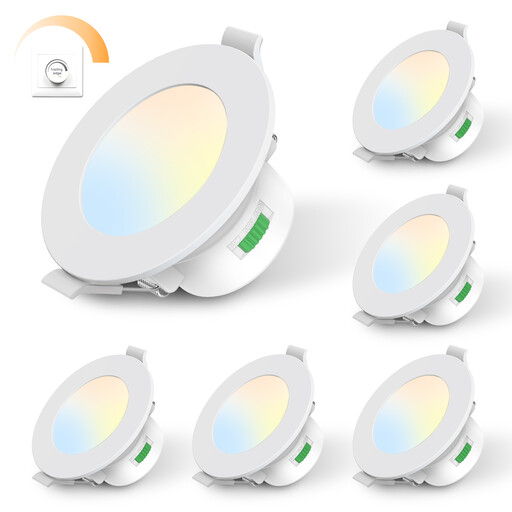
Why This Fits Their Persona: Ideal for users seeking safe and durable lighting for damp areas like bathrooms or kitchens. The high protection rating and flexible colour temperature selection offer functionality without compromise.
The certified IP65 rating reliably prevents damage from water and steam. Thanks to the 3CCT function (three selectable colour temperatures), the lighting mood can be set to suit the room before installation, thus avoiding the "wrong light colour" trap.
High protection against water (IP65), dimmable, and three selectable colour temperatures in one product. Direct connection to 230V without an additional transformer.
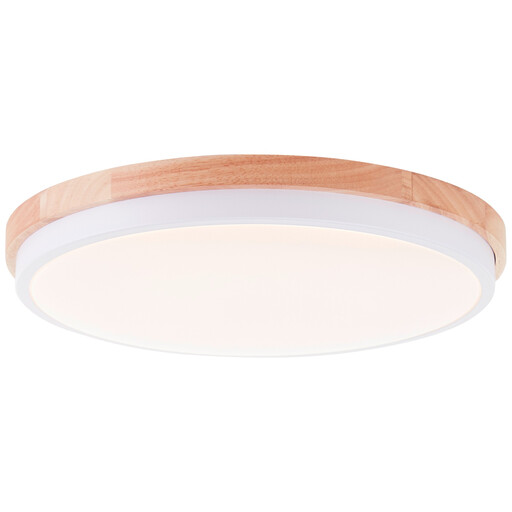
Why This Fits Their Persona: Perfect for anyone who values a homey atmosphere and straightforward comfort. The design with real wood elements adds a warm accent, while the dimming function creates the right mood.
The colour temperature of 3000K (Warm White) ensures a pleasant atmosphere. The "incompatible dimming technology" trap is bypassed by the integrated 3-step dimmer, which works with any standard wall switch—no complex installation required.
A blend of natural wood aesthetics and modern LED technology. Easy brightness adjustment via the wall switch and a memory function that saves the last setting.
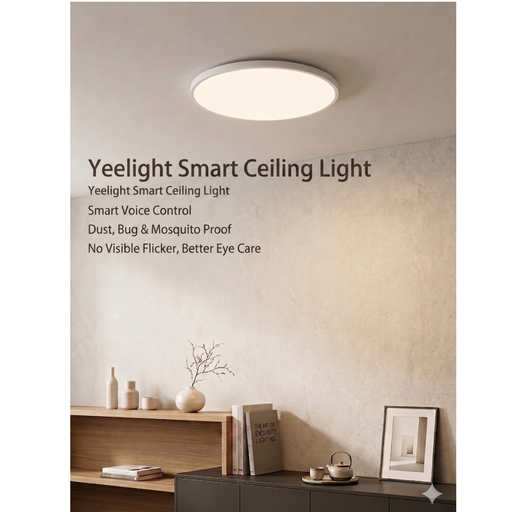
Why This Fits Their Persona: For tech enthusiasts who want to seamlessly integrate their lighting into their smart home system. Offers maximum control over brightness and colour temperature via app or voice assistant.
The "wrong light colour" trap is a non-issue here: the colour temperature is continuously adjustable. Whether you want cozy Warm White for relaxing or cool Neutral White for working, the adjustment is made in seconds via the app. Compatibility issues with dimmers are also eliminated.
Broad compatibility with popular platforms (Alexa, Google Home, SmartThings). Precise control of brightness and colour temperature, plus a special moonlight mode for gentle night lighting.
We have compiled a complete, up-to-date list of products that fully meet these strict selection criteria and rigorous safety standards.
For comfortable ambient lighting in a living room, a value of around 100 to 150 lumens per square metre is recommended. For a 20 m? living room, you would therefore need a total of 2000 to 3000 lumens. This can be achieved with a single, powerful living room ceiling light or by combining multiple light sources such as recessed LED spotlights.
The IP rating classifies the degree of protection an electrical device has against the ingress of foreign objects and water. The first digit represents protection against solids (e.g., dust), and the second represents protection against water. For bathrooms, IP44 (protection against splashing water) is the minimum requirement in most zones. Lights with an IP20 rating offer no water protection and are only suitable for dry rooms.
No, this is a common source of error. The LED light and the dimmer switch must be compatible. The product details for the light often specify the required dimmer type (e.g., leading-edge or trailing-edge dimmer). A simpler solution is to choose lights with a built-in dimming function, which are controlled via a standard light switch or a remote. When in doubt, check the manufacturer's specifications or consult a qualified electrician.