
Lieferung heute & morgen

Qualitätsgarantie

Willkommens-Angebote freischalten: KOSTENLOSE Lieferung | Bis zu 80 % RABATT | Kostenlose 30-Tage-JoyPlus-Testphase
App herunterladen
Choosing the right LED ceiling light can be a challenge. The market offers a wealth of options, but not all of them live up to their promises. Misleading claims or overlooked technical details often lead to disappointment: a bathroom light that fails after a short time due to moisture, or a living room lamp whose light creates an uncomfortable atmosphere.
As your Joybuy Product Recommendation Officer, I'm here to help you navigate this sea of information. We'll focus on the facts so you can make an informed decision. Here are the three most common pitfalls and how to sidestep them.
To avoid these mistakes, you should carefully check three technical features. These determine the function, safety, and longevity of your new lighting.
The IP (Ingress Protection) rating indicates how well a light is protected against the ingress of solid objects (first digit) and water (second digit). For living areas without special requirements, IP20 is often sufficient. However, in damp rooms, this is inadequate.
bathroom ceiling light IP44): This is the minimum standard for bathrooms (outside the direct shower area) and kitchens. The light is protected against splashing water from all directions. This prevents water vapour or splashes from damaging the electronics.The "dimmable" label alone is not enough. Many modern dimmable LED spots require a specific dimmer type, usually a trailing-edge dimmer. An older leading-edge dimmer, designed for halogen lamps, often leads to flickering, buzzing, or an uneven dimming curve. An alternative is lights with an integrated dimming function via a remote control, which bypasses this compatibility problem from the outset.
The light colour is measured in Kelvin (K) and has a significant impact on the room's ambiance. Instead of committing to a single fixed colour, many modern lights offer a selectable colour temperature (often referred to as CCT – Correlated Color Temperature).
A light with selectable colour temperature offers the flexibility to adjust the lighting according to the time of day and activity.
Here are some product recommendations tailored to specific use cases that expertly avoid the pitfalls mentioned.
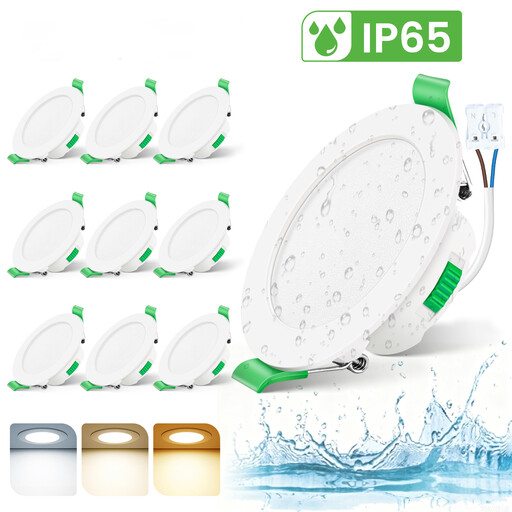
Why This Fits Their Persona: Ideal for renovators who need safe and durable lighting for bathrooms, kitchens, or covered outdoor areas where moisture is a factor.
The IP65 certification provides reliable protection against jets of water and dust, completely sidestepping the moisture trap.
A high protection rating (IP65) combined with selectable colour temperature (3CCT) and dimmability offers maximum flexibility in demanding environments.
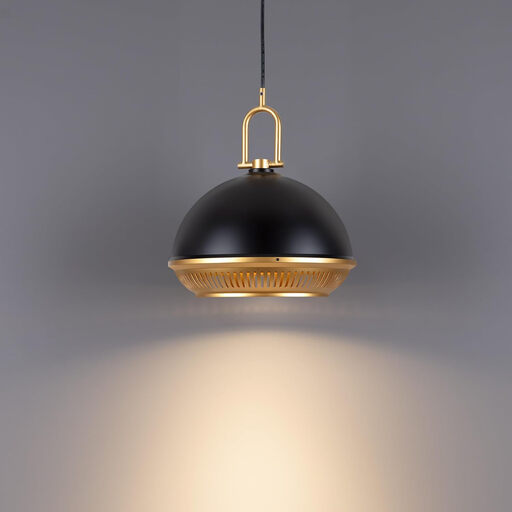
Why This Fits Their Persona: Perfect for anyone looking for a pendant light for a dining table or kitchen island that not only provides light but also makes a clear design statement.
This fixture is designed for use with dimmable E26 bulbs. This allows you to choose the colour temperature yourself and bypass the dimming dilemma by selecting a compatible system.
The striking design with a matte black exterior and gold interior creates a warm, directional light and visually enhances the room even when switched off.
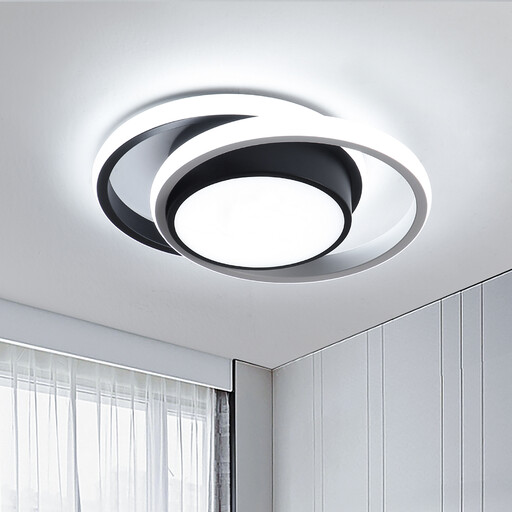
Why This Fits Their Persona: For users who want maximum control and convenience in living rooms or bedrooms without having to deal with wall dimmer compatibility.
The included remote control solves both the dimming dilemma and the colour temperature mistake. Brightness and light colour (3000K-6000K) are steplessly adjustable.
Full control over brightness and colour temperature via remote. A single light adapts to any situation – from bright task lighting to cosy evening light.
We've compiled a complete, up-to-date list of products that fully meet these strict selection criteria and German safety regulations.
The IP rating consists of two digits. The first (0-6) describes the protection against solid objects (e.g., dust), and the second (0-9) describes the protection against water. For a bathroom, IP44 (protection against splashing water) is a common recommendation for areas that do not come into direct contact with jets of water. For the shower area itself, IP65 or higher is often recommended.
No, this is a common source of error. Many 230V LED recessed spotlights and ceiling lights require a modern trailing-edge dimmer. Older dimmers designed for incandescent or halogen lamps are often incompatible and can cause flickering or buzzing. Before buying, check the product description for information on the required dimmer type or choose a light with an integrated dimming function via remote control.
That depends on the desired atmosphere. As a rule of thumb: