
Lieferung heute & morgen

Qualitätsgarantie

Willkommens-Angebote freischalten: KOSTENLOSE Lieferung | Bis zu 80 % RABATT | Kostenlose 30-Tage-JoyPlus-Testphase
App herunterladen
Choosing the right LED ceiling light can transform a room. But the market is flooded with technical specs and marketing promises that often confuse more than they help. A wrong decision not only leads to unsuitable lighting but also to unnecessary expenses. As your Joybuy Product Recommendation Officer, I'll help you understand the crucial criteria and avoid common pitfalls.
This guide focuses on the facts that truly matter, so you can make an informed decision for your home.
Before we turn to the solutions, it's important to know the most common problems that can arise during the selection process.
To avoid these traps, you should focus on three core technical aspects. These determine the function, atmosphere, and safety of your new ceiling light.
These two values are the foundation of any good lighting.
A dimmable ceiling light that also allows for color temperature adjustment (CCT - Correlated Color Temperature) offers maximum flexibility for various situations.
The type of control significantly impacts daily convenience.
The IP (Ingress Protection) code indicates how well a light is protected against the intrusion of foreign objects and water. For the bathroom, this is a non-negotiable safety requirement.
Here are some models tailored to specific user profiles and their requirements.
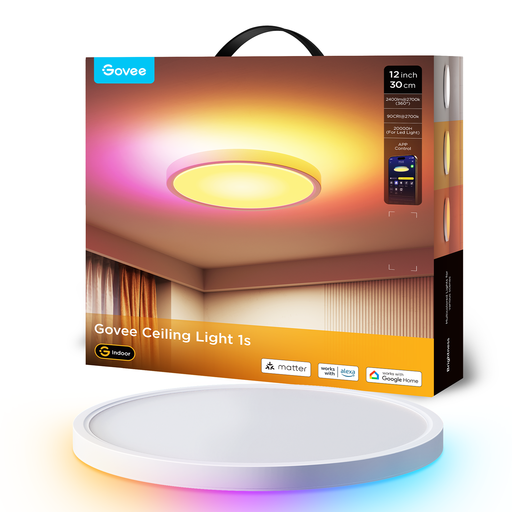
Why This Fits Their Persona: Ideal for tech-savvy users who want full control and custom light scenes. App control and compatibility with Alexa/Google Assistant allow for seamless integration into an existing smart home. The RGBIC backlight creates unique moods.
Sidesteps the "poor dimmability" trap with precise, flicker-free control of brightness (1-100%) and color temperature (2200K-6500K) via the app.
Combines functional main light (up to 2400 lm) and atmospheric RGBIC backlight for dynamic effects. Music sync and circadian rhythm modes are additional pluses.
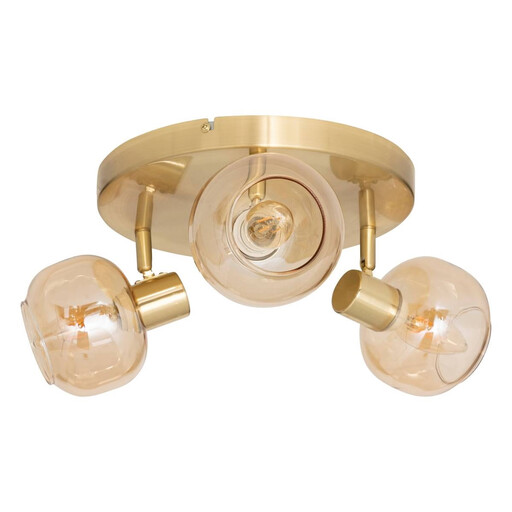
Why This Fits Their Persona: For those who prioritize style and atmosphere. The amber-colored glass and gold-tone finish create a warm, luxurious ambiance. This light is a statement piece that fits well in modern or classic interiors.
Escapes the "lumen trap" by focusing not on maximum brightness, but on the quality of light and material aesthetics. The adjustable spots allow for targeted accents instead of diffuse over-illumination.
Three individually aimable spots for flexible lighting design. The combination of steel and glass ensures a high-quality look and feel.
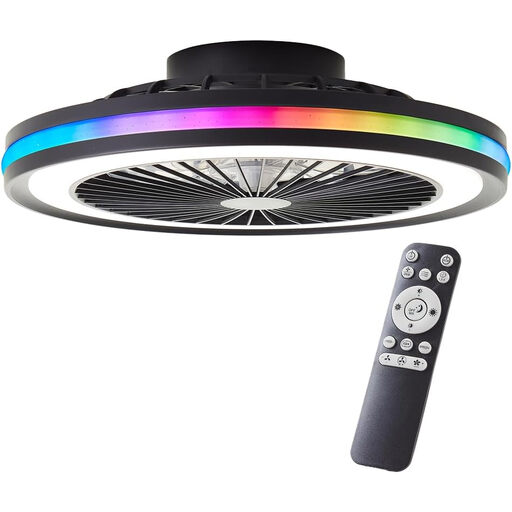
Why This Fits Their Persona: The perfect 2-in-1 solution for users who value functionality and efficiency. This **ceiling fan with light** combines a powerful fixture with a fan for year-round comfort. Ideal for living rooms or bedrooms where both light and air circulation are needed.
Offers clear added value beyond just lighting. Controlling all functions (light, fan, color) via a single remote is reliable and avoids compatibility issues.
Integrated fan with a reversible motor for summer and winter operation. The light is very bright at 4500 lumens and also offers adjustable color temperature (CCT) and RGB color options.
We have compiled a complete, up-to-date list of products that fully meet these strict selection criteria and German safety regulations.
For comfortable ambient brightness in a living room, a value of about 100 to 150 lumens per square meter is recommended. For a 20 m? room, this means the ceiling light, or a combination of several lights, should produce a total of about 2000 to 3000 lumens.
The IP44 rating means the light is protected against the ingress of solid foreign objects with a diameter greater than 1 mm (first digit 4) and against splashing water from all directions (second digit 4). This is the minimum requirement for safe installation in bathroom areas that are not exposed to direct water jets but must withstand high humidity and splashes.
No. Only lights explicitly marked as dimmable can have their brightness adjusted. Attempting to use a non-dimmable LED light with a dimmer switch can damage both the light and the dimmer. For dimmable models, also pay attention to the recommended dimmer technology (e.g., leading-edge or trailing-edge) to ensure optimal performance. With smart home lights, the dimmer is already integrated and is controlled via an app or remote.