
Lieferung heute & morgen

Qualitätsgarantie

Willkommens-Angebote freischalten: KOSTENLOSE Lieferung | Bis zu 80 % RABATT | Kostenlose 30-Tage-JoyPlus-Testphase
App herunterladen
Choosing the right ceiling light can completely transform a room. A modern LED ceiling light not only promises energy efficiency and longevity but also makes a clear design statement. However, the market is saturated, and not every product delivers on its promise. Before you make a decision, it's crucial to understand the most common pitfalls that can lead to disappointment and unnecessary expense.
This guide will help you separate marketing hype from fact and find a light that perfectly matches your technical and stylistic needs.
warm white LED ceiling light (under 3300 K) creates a cosy atmosphere, ideal for living rooms and bedrooms. In contrast, a cool white light (over 5300 K) has a stimulating effect and is better suited for workspaces or the kitchen. A common mistake is choosing a kitchen LED lamp that is too cool for the living room, making the space feel uninviting and sterile.To make an informed decision, you should focus on three core technical values. These determine the functionality and suitability of a light for your space.
In the past, wattage was an indicator of a light bulb's brightness. With LED technology, the crucial value is the luminous flux in lumens (lm). It specifies how much light a lamp actually emits. The wattage only describes its energy consumption. An efficient LED living room ceiling lamp can produce more brightness (e.g., 4000 lm) with 36 watts than an older model.
Use the following guidelines for room illumination:
The colour temperature in Kelvin (K) determines whether the light appears warm and yellowish or cool and bluish. The choice depends on the room and the desired mood.
bedroom ceiling light or dining room lamp.kitchen LED lamp over the countertop.A dimmable ceiling lamp offers the ability to adjust the brightness to suit any situation—from bright task lighting to dimmed mood lighting in the evening. A smart ceiling light provides even more flexibility. These can often be controlled not only in brightness but also in colour temperature via a remote control, app, or even voice command (e.g., via Alexa or Google Home). This allows you to perfectly tailor the light ambiance to your needs at any time.
Here are a few recommendations tailored to different user profiles and requirements.
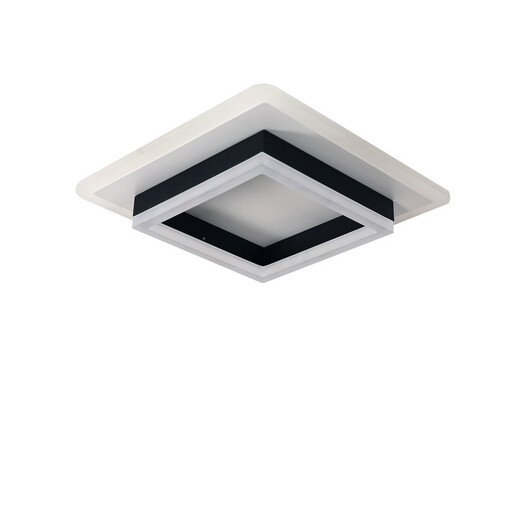
Why this model is a great fit: The simple, geometric design in matte black blends seamlessly into modern and minimalist interiors. Ideal as a `modern hallway light` or for a home office where clear, functional light is required.
The product description is transparent about its materials (acrylic and metal). At 6500 K, the colour temperature is clearly defined as cool white, preventing mistaken purchases for cosy living areas.
Combines a clean design language (`black ceiling light`, `square ceiling light`) with bright, glare-free light for functional spaces.
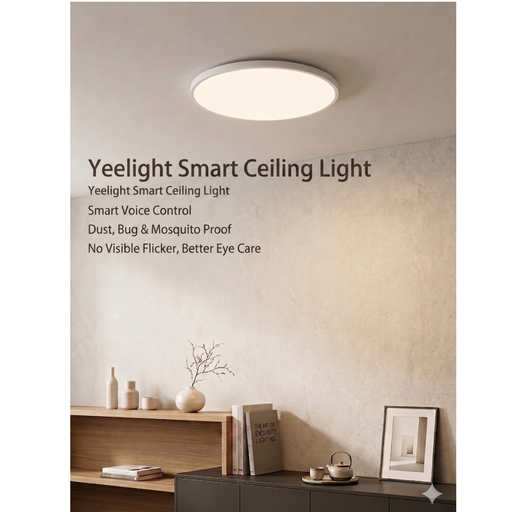
Why this model is a great fit: This light offers complete control. It's compatible with popular smart home platforms like Alexa and Google Home and can be controlled via app or voice. Brightness and colour temperature are seamlessly adjustable.
It completely solves the "wrong light ambiance" problem, as the colour temperature can be adjusted at any time. The sealed design also protects against dust and insects, which minimises maintenance and supports a long lifespan.
Maximum flexibility: A single `smart ceiling light` covers all lighting scenarios, from focused work in cool white to relaxed evenings in warm white.

Why this model is a great fit: The creative spiral design makes this light a statement piece. At 3000 K, it produces a pleasant, warm white light that creates an inviting atmosphere in a living or dining room.
It offers a clearly defined, warm white colour temperature that is ideal for living areas. The material description is unambiguous, so no false expectations of a "wood-effect" are created.
Combines a striking, sculptural design with high light output (4000 lm) and a cosy light colour (`warm white LED ceiling light`).
We have compiled a complete, up-to-date list of products that fully meet these strict selection criteria and UK safety regulations.
For comfortable ambient lighting in a living room, a value of about 100 to 150 lumens per square metre is recommended. For a 20 m? living room, this means you will need a light or a combination of lights with a total of 2000 to 3000 lumens.
"Integrated" means the LED chips are built directly into the fixture and cannot be replaced as separate bulbs. This allows for more compact and creative designs. The lifespan is given in hours and, for quality products, is often between 20,000 and 50,000 hours. With four hours of daily use, this corresponds to a lifespan of over 13 to 34 years.
It depends on the type of dimming function. Lights that are dimmed via a remote control or an app (like smart lights) can be operated with a standard wall switch. Other models may require a special LED-compatible leading-edge or trailing-edge dimmer switch to be installed in place of the standard switch. Always check the manufacturer's specifications for this.