
Lieferung heute & morgen

Qualitätsgarantie

Willkommens-Angebote freischalten: KOSTENLOSE Lieferung | Bis zu 80 % RABATT | Kostenlose 30-Tage-JoyPlus-Testphase
App herunterladen
Choosing a new LED ceiling light can quickly become overwhelming. With countless technical specs and design variations, it's easy to make a choice you'll later regret. Many buyers focus on the price or an attractive picture, overlooking crucial details that determine day-to-day usability and longevity. This guide will help you navigate the typical pitfalls and make an informed decision.
The most common traps when buying a ceiling light:
To find the right LED ceiling light, you should focus on three core parameters. These are the primary factors that determine the functionality and atmosphere a light will create in your space.
The crucial value for the brightness of an LED light is the luminous flux, measured in lumens (lm). It indicates how much light the fixture actually emits. The wattage merely describes its energy consumption.
As a rule of thumb for living spaces, the following values can be used:
For a 20 m? living room, a ceiling lamp with around 2000–3000 lumens would be a good choice.
The color temperature, measured in Kelvin (K), describes the color of the light. It has an enormous impact on the ambiance of the room.
A modern ceiling lamp with adjustable color temperature offers the greatest flexibility to adapt the lighting to different situations.
A dimmable LED ceiling light significantly enhances comfort. However, there are differences:
Before purchasing, check exactly what type of dimming is offered and whether additional accessories are required.
Here are some recommendations tailored to specific user profiles and their requirements.
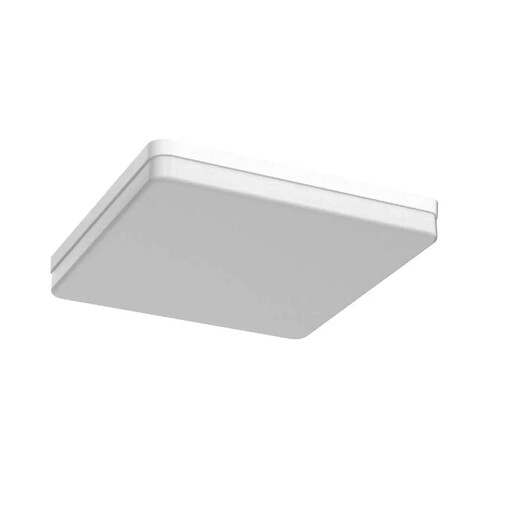
Why This Fits Their Persona: Ideal for users seeking straightforward, bright, and energy-efficient lighting for functional spaces like hallways, kitchens, or bathrooms. The minimalist design blends seamlessly into any environment.
The product description provides clear, unambiguous specifications for lumens (3300 lm) and Kelvin (4500 K). This ensures you know exactly what brightness and light color you're getting, preventing a mismatched choice.
High light output with low energy consumption. Its ultra-slim profile is also perfect for rooms with low ceilings.
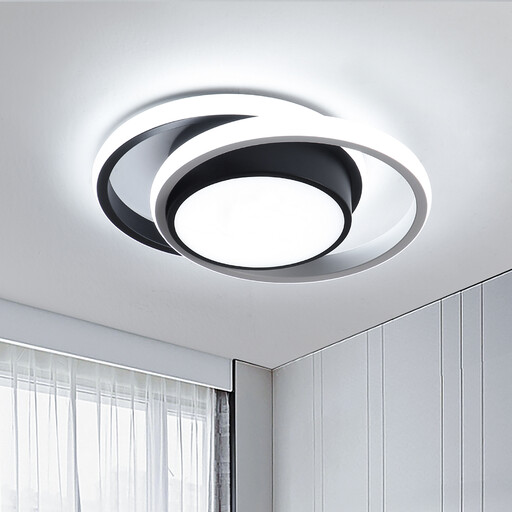
Why This Fits Their Persona: Perfect for anyone looking for a modern black LED ceiling light who also values flexibility. The light adapts to any mood, from bright task lighting to dimmed evening light.
This light solves dimming and color temperature problems with an all-in-one solution. The included remote control ensures all functions work smoothly without compatibility issues with wall switches.
Stepless adjustment of brightness and color temperature (3000 K - 6000 K) via remote control. The modern, black design adds a stylish accent.
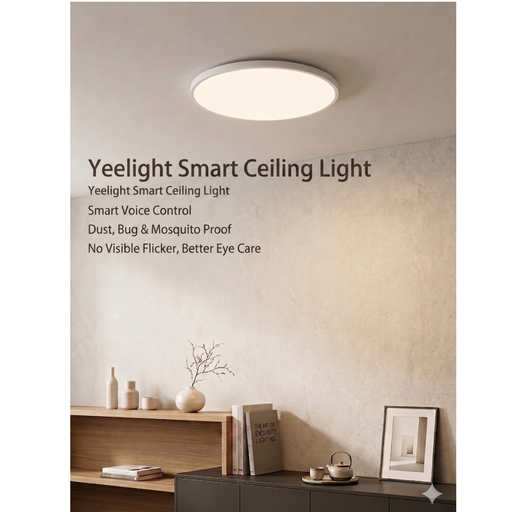
Why This Fits Their Persona: For tech-savvy users who want to seamlessly integrate their lighting into their smart home ecosystem. Control via voice or app offers maximum convenience and automation possibilities.
Bypasses any compatibility issues with external dimmers, as all control is handled through its own ecosystem (app, voice assistant). Compatibility with Alexa, Google Home, and others is clearly stated.
Complete control over brightness and color temperature via app or voice. Offers extra features like a moonlight mode for a gentle night light.
We've curated a complete, up-to-date list of products that fully meet these strict selection criteria and all relevant safety regulations.
For comfortable ambient lighting in an average-sized living room (approx. 20 m?), a total luminous flux of 2000 to 3000 lumens is recommended. If you also use the room for activities like reading, a dimmable light or an additional reading lamp is a good idea to increase brightness when needed.
No, not necessarily. There are different dimming technologies (e.g., leading-edge and trailing-edge). An LED light is not always compatible with older dimmers designed for halogen or incandescent bulbs. This can lead to flickering or buzzing. It's safer to choose a light that includes a remote control for dimming or to check the manufacturer's compatibility list.
The color temperature, measured in Kelvin (K), describes the color of the white light. Lower values produce a warm, yellowish light (e.g., 2700 K), which is perceived as cozy and is ideal for living rooms and bedrooms. Higher values produce a cool, bluish light (e.g., 6500 K), which promotes concentration and is well-suited for workspaces. Neutral white (approx. 4000 K) is a good all-rounder for kitchens and bathrooms.