
Lieferung heute & morgen

Qualitätsgarantie

Willkommens-Angebote freischalten: KOSTENLOSE Lieferung | Bis zu 80 % RABATT | Kostenlose 30-Tage-JoyPlus-Testphase
App herunterladen
Choosing the right LED ceiling light can completely transform a room. However, the market is filled with technical jargon and marketing promises that make the decision difficult. Many buyers invest in models that start flickering after a short time, don't dim as expected, or are unsuitable for the intended space. As your Joybuy Product Recommendation Officer, I'll help you navigate these pitfalls and make an informed decision.
Before we dive into the technical details, let's look at the most common issues that lead to dissatisfaction. Recognizing these mistakes is the first step toward making the right choice.
To find a durable and functional LED ceiling light, you should carefully examine three technical features. These determine the atmosphere, safety, and comfort of your space.
The color of the light has a significant impact on the room's atmosphere. It is measured in Kelvin (K):
Modern lights often feature a CCT (Correlated Color Temperature) function, which makes the color temperature adjustable. This allows you to adapt the light to any situation via remote control or an app—from relaxed evening light to bright task lighting.
The IP (Ingress Protection) rating indicates how well a light is protected against the entry of foreign objects (first digit) and water (second digit).
Choosing the right IP rating is not a luxury, but a fundamental safety requirement.
The type of control determines your daily convenience. There are several levels:
Here are some models tailored to specific needs that meet the quality criteria mentioned above.
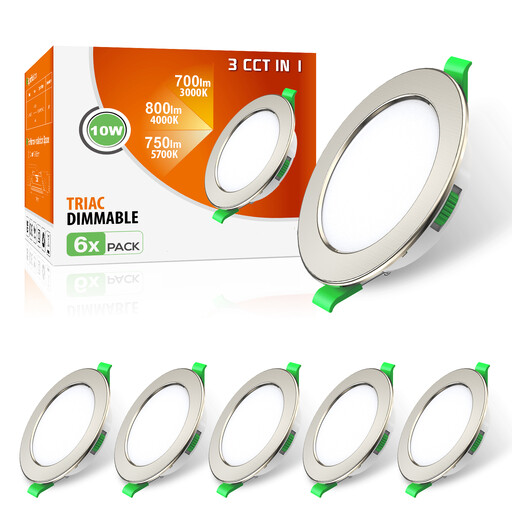
Why This Fits Their Persona: Ideal for renovation projects that require flexible and cost-effective general lighting for multiple rooms. The set provides a uniform look for hallways, kitchens, and bathrooms.
Thanks to its IP44 rating, it's safe for use in the bathroom. The adjustable color temperature (3CCT) is selected before installation, preventing poor purchases due to the wrong light color.
Direct 230V connection without an additional transformer. Dimming function (compatible dimmer required) for flexible brightness.
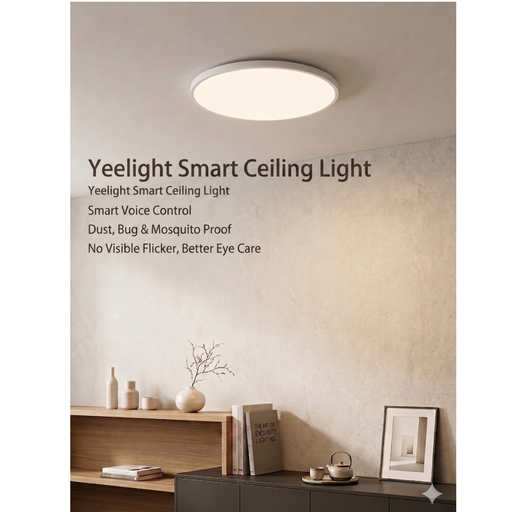
Why This Fits Their Persona: Perfect for users who want seamless smart home integration and a minimalist, modern design. Control via app or voice offers maximum convenience.
The problem of incompatible dimmers is bypassed, as the dimming function is integrated directly into the smart ceiling light and controlled via app/voice. No external dimmer is needed.
Steplessly adjustable color temperature and brightness. Compatible with popular platforms like Alexa and Google Home.
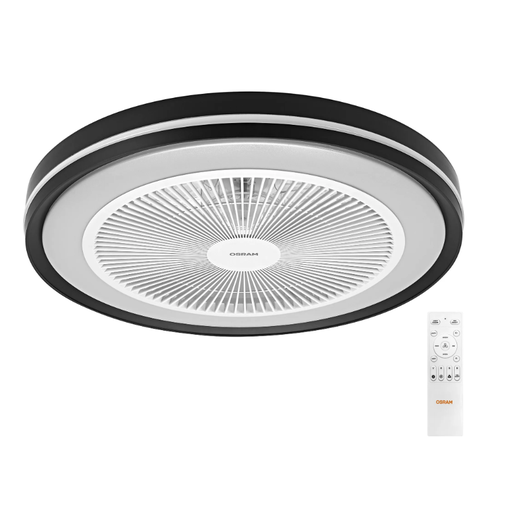
Why This Fits Their Persona: A 2-in-1 solution for rooms where both lighting and air circulation are needed, such as bedrooms or small living rooms. Saves space and a separate power connection.
All functions, including dimming and CCT control, are managed via the included remote control. This eliminates compatibility issues with wall switches from the start.
Combines a ceiling fan with light. Steplessly adjustable color temperature (3000–6500 K) and six speed settings.
We have compiled a complete, up-to-date list of products that fully meet these strict selection criteria and German safety regulations.
1. What does the IP rating on a ceiling light mean? The IP rating (e.g., IP44) indicates how well a light is protected against the ingress of foreign objects (first digit) and water (second digit). For bathrooms, at least IP44 is recommended, as this ensures protection against splashing water from all directions, thus increasing safety.
2. Can I use any "dimmable" LED ceiling light with my old dimmer switch? No, in most cases, you cannot. Conventional dimmers are often incompatible with the low-voltage electronics of LEDs, which can lead to flickering. For an LED light designated as dimmable, you typically need a special LED dimmer (a trailing-edge or leading-edge dimmer). Smart lights with an integrated dimming function are an alternative that bypasses this problem.
3. What is the average lifespan of an integrated LED ceiling light? The lifespan of integrated LEDs is often stated by manufacturers to be between 20,000 and 50,000 operating hours. With an average use of four hours per day, this corresponds to a lifespan of over 13 years. The quality of the built-in components and the light's heat management are crucial factors for this.