
Lieferung heute & morgen

Qualitätsgarantie

Willkommens-Angebote freischalten: KOSTENLOSE Lieferung | Bis zu 80 % RABATT | Kostenlose 30-Tage-JoyPlus-Testphase
App herunterladen
Whether you're dealing with a sudden power outage, making car repairs, or just searching for something in a dark basement, a reliable LED flashlight is an indispensable tool for any household. However, the market offers a dizzying array of models that vary widely in brightness, size, and functionality.
This article serves as a practical guide. We'll introduce objective criteria to help you make your choice and present a selection of models designed for specific, everyday use cases.
To make the right decision, it's helpful to understand a few technical features and their practical implications.
A flashlight's brightness is measured in lumens (lm). A higher lumen count doesn't automatically mean a better light; the intended use is the deciding factor.
The beam distance, specified in metres, describes how far the light beam travels. For home use, a range of 30 to 100 metres is generally practical.
Most models are battery-powered flashlights. The choice of battery directly impacts operating costs and availability in an emergency.
A durable flashlight can withstand the occasional drop. Casings made of aluminium or impact-resistant plastic (ABS) offer good durability. Look for specifications on drop resistance (e.g., from a height of 1 metre).
Additional features can significantly increase its utility:
Based on the criteria mentioned, we have compiled a selection of purpose-built LED flashlights.
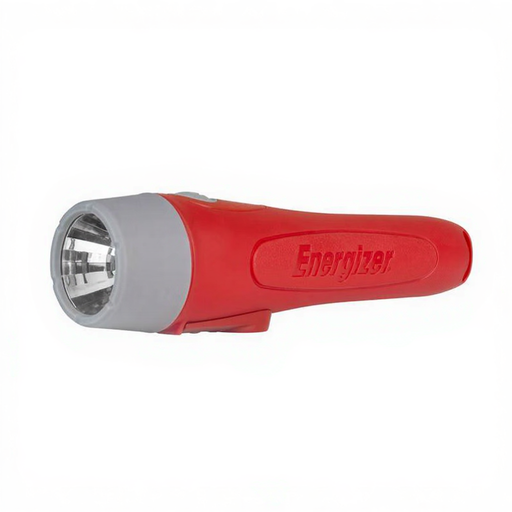
Why it stands out: This Energizer flashlight is especially practical for jobs where you need both hands, thanks to its integrated magnet.
Advantages:
Who it's for: Ideal for DIY enthusiasts, car owners, and anyone who wants a compact, magnetic work light to keep their hands free during repairs or in an emergency.

Why it stands out: The VARTA flashlight is distinguished by its extremely long runtime and robust construction, making it an excellent emergency flashlight.
Advantages:
Who it's for: Perfect for homeowners looking for a reliable light for power outages with maximum runtime. It's also a solid choice for use in the garage, shed, or for occasional outdoor activities.
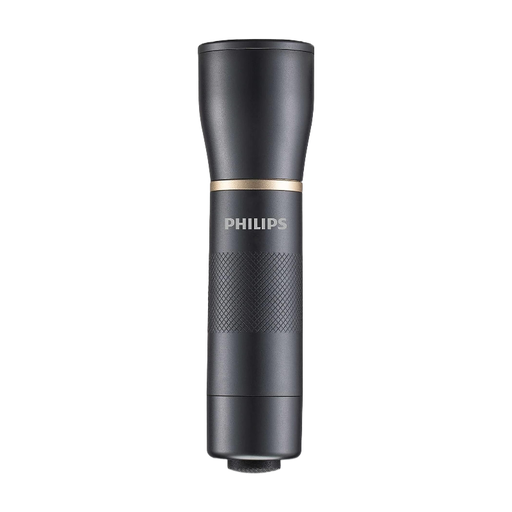
Why it stands out: This model from Philips combines a lightweight yet durable aluminium casing with considerable brightness and range.
Advantages:
Who it's for: A versatile all-rounder for anyone who needs a bright and durable flashlight for daily use, for walks after dark, or as a reliable tool to keep in the car.
If you are looking for a different type of light source or need additional features, you can find a wider selection of models for various needs in our Battery-Powered Lights category.
1. How many lumens should a good LED flashlight for household use have? For general home use, such as lighting up basements or for use during a power outage, 50 to 150 lumens are typically more than sufficient. This range offers a good balance between brightness and a long battery life.
2. What is better: a rechargeable flashlight or one with disposable batteries? Both systems have their advantages. A battery-powered flashlight is ideal for emergency preparedness, as standard batteries (e.g., AA or AAA) are easy to store and quick to replace. Rechargeable models are more cost-effective and eco-friendly in the long run but require a power source for charging. For an emergency flashlight, models that use standard batteries are often the safer choice.
3. What should I look for in an emergency flashlight? For an emergency light, three criteria are particularly important: a long battery life, the use of common battery types (AA, D) that are easy to keep in stock, and a durable, reliable construction. Moderate brightness is often more advantageous here than maximum power, as it extends the runtime.