
Lieferung heute & morgen

Qualitätsgarantie

Willkommens-Angebote freischalten: KOSTENLOSE Lieferung | Bis zu 80 % RABATT | Kostenlose 30-Tage-JoyPlus-Testphase
App herunterladen
A well-designed gaming space or home cinema thrives not just on powerful hardware, but also on the right atmosphere. Thoughtful LED gaming lighting can be the difference between a simple room and an immersive, dynamic environment. However, the range of products is vast, and the technical specifications can be overwhelming.
This guide is here to bring clarity. We'll introduce different types of smart lighting and explain the key features to look for when making your choice. Our goal is to provide you with an informed basis for designing your personal setup.
Before you decide on a product, several fundamental aspects should be considered. These will help you find the right solution for your needs.
The type of lighting elements significantly determines the visual impact.
Modern LED systems offer much more than just an on/off switch. Intuitive control is crucial for a great user experience.
Most products advertise millions of colours. However, the crucial difference lies in how the LEDs are controlled.
Here is a selection of products that cover different applications and features.
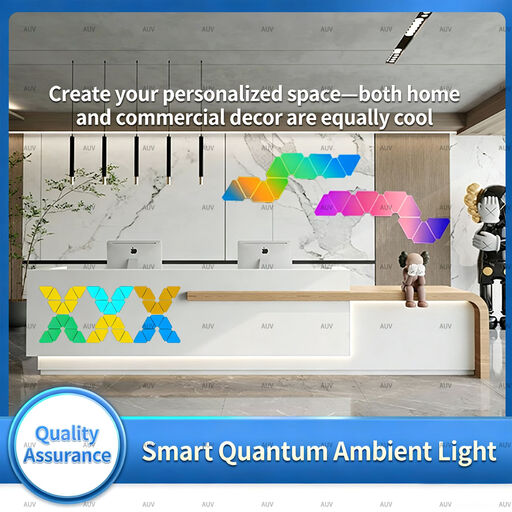
Why It Stands Out: The strength of this system lies in its modular and creative nature. The triangular ABS plastic panels can be assembled into geometric patterns as you wish. This allows for a completely personalised wall design.
Pros:
Who It's For: Creatives who want to not just illuminate their wall, but actively design it. Ideal as a central decorative element in gaming rooms or living areas.
Why It Stands Out: This set of six linear light bars combines a minimalist design with comprehensive smart home integration. Control via the "Smart Life" app and compatibility with Alexa and Google Assistant make it a seamless addition to a connected home.
Pros:
Who It's For: Users who prefer a clean, linear aesthetic and want to fully integrate their lighting into their existing smart home system.
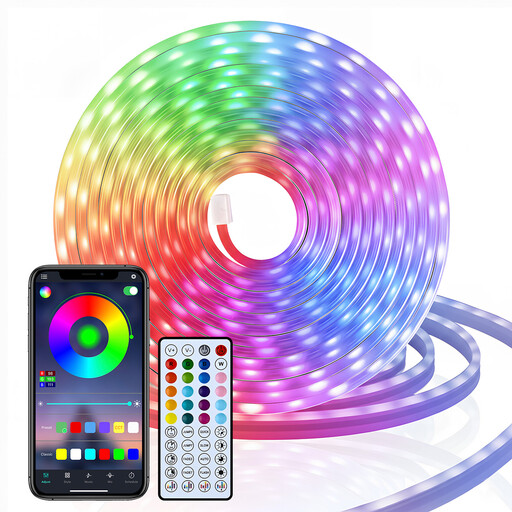
Why It Stands Out: With a length of 10 metres and high flexibility, this LED strip is ideal for illuminating larger areas or for creative DIY projects. The silicone coating provides a diffused, neon-like light without visible individual light points.
Pros:
Who It's For: DIY enthusiasts who want to design their own "neon signs," or for anyone who needs a long, continuous line of light to accent rooms, furniture, or ceilings.
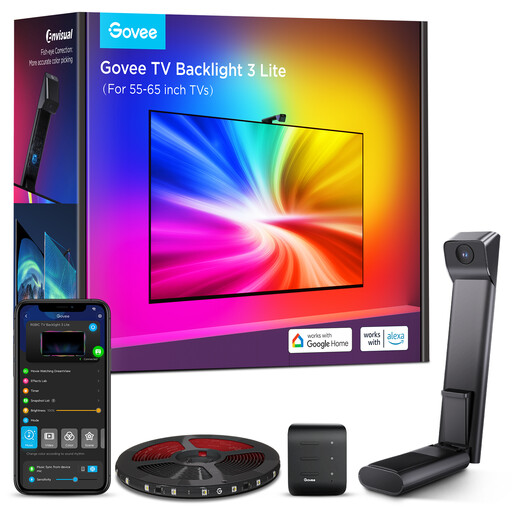
Why It Stands Out: This product is specifically designed as TV backlighting and uses Govee's advanced RGBIC technology. It's an effective Ambilight alternative that enhances the viewing experience by reducing eye strain and increasing perceived contrast.
Pros:
Who It's For: Film and series lovers, as well as console gamers, who primarily want to make their TV viewing experience more immersive.
While the products featured here are ideal for gaming and entertainment, other special events may require a different style. If you are looking for decorative lighting for celebrations or special occasions, you can find more options in our selection of wedding lighting.
1. What is the difference between RGB and RGBIC? On RGB strips, all LEDs light up in the same colour. RGBIC strips have an additional IC (Independent Control) chip that allows different segments of the strip to light up in different colours simultaneously. This leads to more dynamic effects like rainbow gradients or flowing animations.
2. How does music sync work with LED lights? Most systems use either a microphone built into the control unit or the microphone of the connected smartphone. This microphone captures the frequencies and rhythm of music or other ambient sounds. An algorithm then translates these audio signals into corresponding light and colour effects in real-time.
3. Can I cut LED light strips myself? Many flexible LED strips can be shortened at designated markings (often indicated by a scissor symbol). Extending them is also often possible, but usually requires special connectors and potentially a more powerful power supply to ensure voltage for the additional length. Always refer to the manufacturer's instructions for this.