
Lieferung heute & morgen

Qualitätsgarantie

Willkommens-Angebote freischalten: KOSTENLOSE Lieferung | Bis zu 80 % RABATT | Kostenlose 30-Tage-JoyPlus-Testphase
App herunterladen
Thoughtfully chosen LED garden lighting can transform any outdoor space—whether a garden, terrace, or balcony—into an atmospheric oasis. However, the market is flooded with products whose marketing promises often suggest more than the technology can deliver. Unrealistic expectations about weather resistance or runtime frequently lead to disappointment. This guide will help you identify the essential features and make an informed decision.
Before choosing a product, it's helpful to know the most common problems that can arise after purchase.
solar garden lights, runtimes of eight hours or more are often advertised. In practice, performance depends heavily on sunlight exposure. Small solar panels and low-capacity batteries, particularly during the less sunny months in the UK and Northern Europe, mean the lights may only work for a few hours or not at all.To find the right garden decor lighting, you should carefully examine three key parameters. These determine durability, functionality, and safety.
The choice of power source is fundamental and depends on the intended location and purpose.
outdoor string light or an outdoor net light. Low-voltage models (e.g., 30V) offer enhanced safety. The light output is consistent and not dependent on weather or season.solar garden lights are a great choice for accent lighting along paths or in flowerbeds.balcony lighting for a party, or for use when camping. Independence from power outlets allows for free placement but is less suitable for continuous operation.The IP (Ingress Protection) rating indicates how well an electrical device is protected against the ingress of foreign objects and water.
Modern LED technology offers more than just on and off.
outdoor Christmas lighting.Here are some product recommendations tailored to specific needs and use cases.
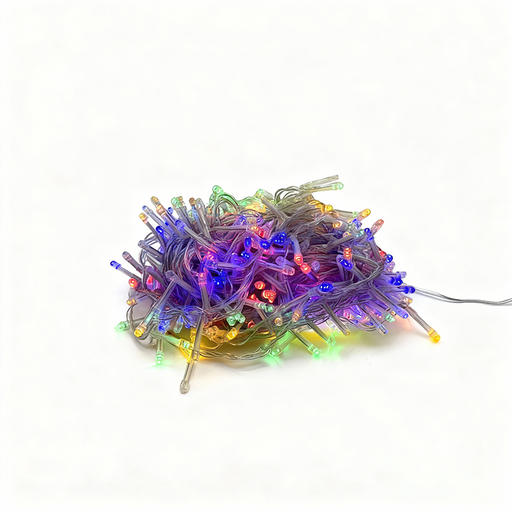
Why This Fits Their Persona: Ideal for users seeking a straightforward and portable solution for balcony or party lighting. Battery operation provides independence from power outlets and allows for quick, tangle-free decorating.
This product bypasses the issue of unprotected power adapters as it is entirely battery-operated. The IP44 rating clearly applies to the light string itself, which is sufficient for use on a covered balcony or for temporary garden events.
Maximum flexibility thanks to battery power. Eight different lighting modes and a memory function offer creative versatility for various occasions.
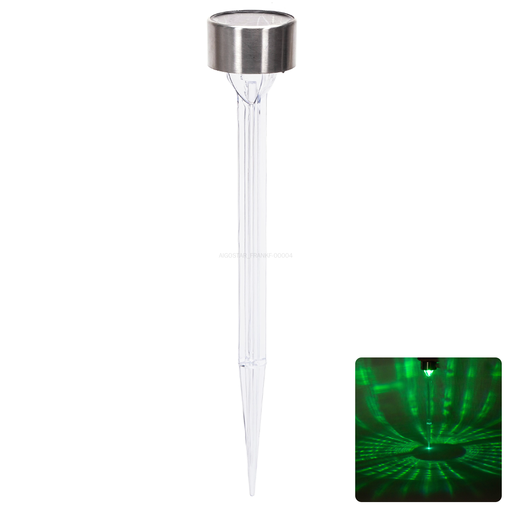
Why This Fits Their Persona: Perfect for garden owners looking for sustainable, low-maintenance, and wireless lighting for paths, flowerbeds, or lawns. The automatic on/off function adds convenience.
The product addresses the issue of unrealistic runtimes with transparent specifications for charging (4-6 hrs) and operating time (8-12 hrs) under optimal conditions. The stainless steel housing is also more weather-resistant than simple plastic.
Energy self-sufficient due to solar power and easy installation with a ground stake. The RGB function also allows for colourful garden designs.
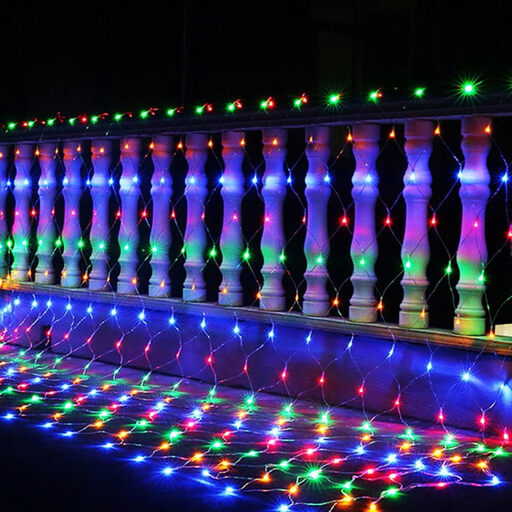
Why This Fits Their Persona: Suitable for anyone wanting to illuminate large areas like hedges, house walls, or fences evenly and impressively. Ideal for seasonal decorations such as outdoor Christmas lighting.
The product description explicitly states that the adapter must be kept dry, transparently addressing the limitation of its IP44 rating. Mains power ensures consistent, bright illumination regardless of the weather.
Provides even illumination over a large 6 m? area. The eight different lighting modes allow for varied and dynamic light displays.
We have compiled a complete, up-to-date list of products that fully meet these strict selection criteria and fully comply with stringent safety regulations.
The power consumption of LED lighting is very low. A mains-powered net light with 200 LEDs, like the Yakimz model mentioned above, has a power consumption of only 3.6 watts. With a daily runtime of six hours over an entire year, the electricity costs would amount to just a few pounds. Solar lights incur no running electricity costs.
IP44 means the product is protected against splashing water from all directions, so it can withstand normal rain. However, it is not protected against powerful water jets (e.g., from a garden hose) or submersion. Crucially, for many products with a mains plug, this protection only applies to the light unit itself. The plug or power supply must typically be connected in a dry location, such as in a weatherproof outdoor socket or indoors.
The runtime of solar lights is significantly reduced in winter. Shorter days, a lower sun angle, and frequent cloud cover mean the battery does not fully charge. While a light might run for eight hours or more in summer, the runtime in winter can drop to one or two hours, or even less. For reliable lighting during the darker season, mains- or battery-powered models are often the more practical choice.