
Lieferung heute & morgen

Qualitätsgarantie

Willkommens-Angebote freischalten: KOSTENLOSE Lieferung | Bis zu 80 % RABATT | Kostenlose 30-Tage-JoyPlus-Testphase
App herunterladen
The decision to modernise a vehicle's lighting is often driven by two desires: improved night-time visibility and a contemporary aesthetic. However, anyone planning to retrofit LED headlights is confronted with an overwhelming market. Many products promise more than they can deliver. Before you make a purchase, it's crucial to understand the most common pitfalls that can lead to compatibility issues, legal trouble, or premature wear.
This guide focuses on the objective criteria that enable an informed choice, helping you to bypass typical errors.
The 3 Most Common Mistakes When Buying Aftermarket Headlights:
To avoid a poor investment, you should base your selection on a few core technical and legal parameters. These ensure that the product not only looks good but also fits your vehicle functionally and legally.
The E-mark (also ECE approval mark) is a label indicating that a component meets the technical and safety requirements of the Economic Commission for Europe. For headlights, this mark is essential for legal use on public roads in the EU. It is usually located directly on the headlight lens or housing. Ensure the approval mark is valid for the specific function (e.g., low beam, high beam, turn signal) and for your vehicle model.
The term Plug-and-Play Headlights indicates that installation can be done without any modifications to the vehicle. This means the connectors match the original plugs and the mounting points correspond to the factory headlights. Check the product description for exact compatibility with your vehicle's make, model, and year of manufacture. This is especially important for models like the BMW F30 headlights or Golf 7 taillights, where different connectors may exist depending on the factory trim level (e.g., Halogen vs. Xenon).
LED technology enables a variety of modern design and safety features. These include:
Instead of general recommendations, we present solutions tailored to clearly defined driver profiles and their requirements.
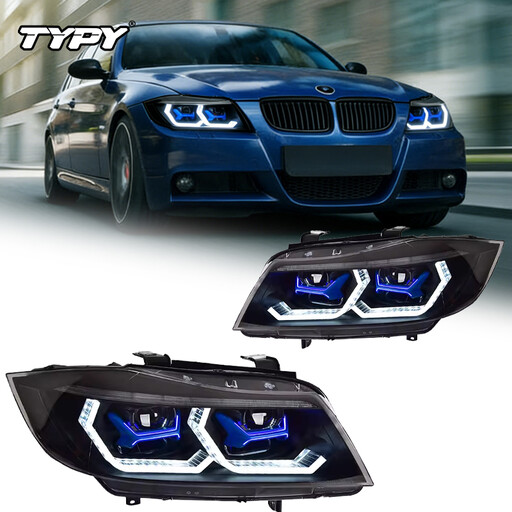
Why This Fits Their Persona: Ideal for BMW E90 owners who want to combine the iconic "Angel Eye" design with modern LED technology without disrupting the vehicle's classic lines.
Thanks to its vehicle-specific design for the E90, the connectors and electronic controls are tailored to the onboard system to prevent CAN bus error messages.
Integrated LED daytime running lights in the Angel Eye design and a projector lens for a clearly defined cut-off line and improved illumination.
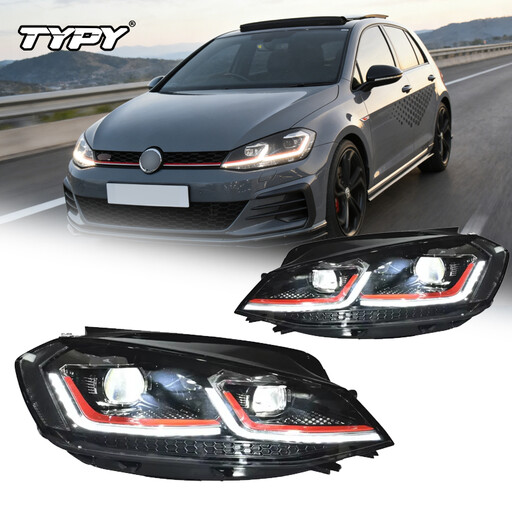
Why This Fits Their Persona: Perfect for Golf 7 drivers who want to give their vehicle a significant visual upgrade with dynamic turn signals and a distinctive LED light signature.
The precise fit for specific model years (2012-2017, not for GTI/R) and the plug-and-play design minimise the risk of installation problems and electronic faults.
Modern aesthetics thanks to dynamic turn signals and a crisp light graphic. The projector lenses ensure focused light distribution and reduce glare for oncoming traffic.
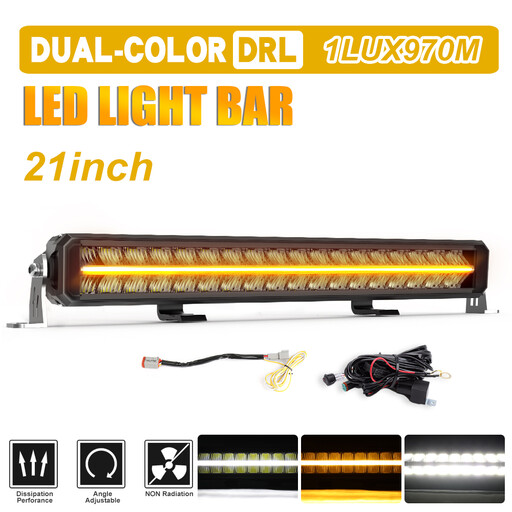
Why This Fits Their Persona: Designed for drivers of off-road vehicles, SUVs, and ATVs who need robust and powerful auxiliary lighting for use away from paved roads.
The die-cast aluminium housing and IP68 certification effectively protect the electronics from overheating, dust, and water—the main causes of failure in off-road lights.
High light output for excellent visibility in terrain. The dual-colour function (white driving light, amber position light) offers flexibility in various weather conditions.
We've compiled a complete, up-to-date list of products that fully meet these strict selection criteria and EU regulations.
If the headlights have a valid E-mark issued for your specific vehicle model, a separate registration in the vehicle's documents (such as a T?V inspection) is generally not required. The lights are then considered approved replacement parts. However, it is advisable to carry the documents included with the product and to check the exact local regulations.
"Plug and Play" means that the installation is possible without permanent modifications to the vehicle. The new headlights use the original mounting points and the factory electrical connectors. No cutting of wires, soldering, or bodywork adjustments are required. This significantly simplifies the installation and allows for a hassle-free reversion to the original parts.
Compatibility is ensured by the precise specification of make, model, and year of manufacture in the product description. Carefully compare this data with your vehicle's registration document. Additionally, pay attention to notes regarding your vehicle's original equipment (e.g., "only for models with factory halogen headlights"). When in doubt, comparing the connector shape on the old and new headlights before final installation can provide clarity.