
Lieferung heute & morgen

Qualitätsgarantie

Willkommens-Angebote freischalten: KOSTENLOSE Lieferung | Bis zu 80 % RABATT | Kostenlose 30-Tage-JoyPlus-Testphase
App herunterladen
Published on July 18, 2026, by Your Joybuy Product Recommendation Officer
Upgrading to LED headlights is a popular choice for vehicle owners seeking both improved nighttime visibility and a more modern aesthetic. However, the vast array of aftermarket options and technical specifications can be overwhelming. This guide provides objective criteria to help you select LED headlights that meet your vehicle's technical requirements.
Before making a decision, there are several key technical aspects to consider. These factors ensure the lighting solution you choose is compatible with your vehicle and serves its intended purpose.
Fitment is the most critical factor. Headlights are designed to be vehicle-specific, so you must verify the exact models and years a headlight set is intended for. For example, BMW F30 headlights have a different shape and connection system than lights for a classic SUV like the Jeep Cherokee. For older vehicles or custom builds, universal formats are available, such as round or rectangular headlights (e.g., 7x6 inch for Jeep XJ lights), which offer more installation flexibility. Always pay close attention to the specified dimensions and connector type.
Modern LED headlights often offer more than just low and high beams. Many models integrate additional features that enhance both safety and aesthetics:
Operating voltage is another crucial point. Most passenger cars use a 12V electrical system. In contrast, trucks, agricultural machinery, and some heavy-duty off-road vehicles use a 24V system. Many LED work lights and auxiliary lights are designed for a voltage range of 12V to 24V, making them highly versatile. Before purchasing, check your vehicle's voltage to ensure electrical compatibility.
Here is a selection of LED headlights tailored to different vehicle types and needs. The descriptions are based on manufacturer specifications.
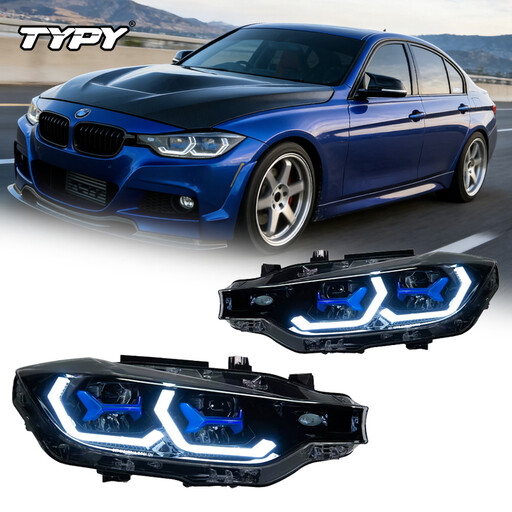
Why It Stands Out: This headlight set is specifically designed for the F30/F35 generation of the BMW 3 Series, offering a visual upgrade with modern LED technology. The design incorporates the signature Angel Eyes LED as daytime running lights.
Advantages:
Who Is It For? For owners of a BMW 3 Series (F30/F35) who want to replace their halogen or xenon headlights with an all-in-one LED solution for a modern look. Professional installation is recommended to ensure all lighting elements function correctly.
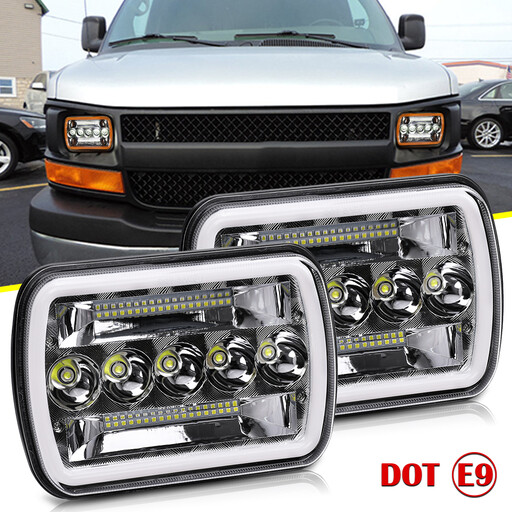
Why It Stands Out: This classic 7x6-inch headlight is a popular choice for retrofitting LED headlights on older vehicles and SUVs like the Jeep Cherokee (XJ) or Wrangler (YJ). It combines a durable construction with versatile lighting functions.
Advantages:
Who Is It For? For owners of classic SUVs, trucks, or custom cars looking for functional and long-lasting LED lighting with a retro look. Its universal form factor makes it an option for various Jeep XJ lights and similar custom projects.
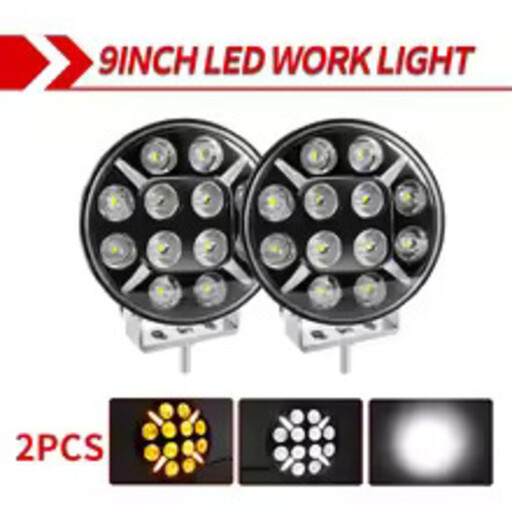
Why It Stands Out: This 9-inch round light is designed as a high-performance auxiliary off-road light or LED work light for cars and commercial vehicles. It is distinguished by its high light output and flexible mounting options.
Advantages:
Who Is It For? For off-road enthusiasts, farmers, or professional drivers who need extremely bright and durable auxiliary lighting for use off public roads. It is typically mounted on bumpers, roof racks, or roll bars.
If the models featured here don't perfectly match your needs, or if you're searching for more specialized solutions, you can find a wider selection in our vehicle lighting category.
? Discover more 12V LED Spotlights on Joybuy.de
1. Can you easily retrofit LED headlights?Retrofitting LED headlights can be done in two ways: by replacing the entire headlight assembly or by swapping the bulb (e.g., H4/H7 halogen for an LED retrofit). Replacing the complete assembly, like the models shown above, is often the cleaner technical solution. Swapping only the bulbs is only permissible if the specific LED bulb has a type approval or street-legal certification for use in that particular vehicle model.
2. What is the difference between LED and halogen headlights? The main differences lie in their technology and performance characteristics. LEDs are semiconductors that produce light when an electric current passes through them, while halogen lamps use a heated filament. The objective advantages of LEDs include higher energy efficiency (less power consumption for the same or greater light output), a significantly longer lifespan, and a light color that is closer to natural daylight (often around 6000K). Additionally, LEDs reach their full brightness instantly.
3. Do LED headlights require special approval for road use? Yes. All headlights used on public roads in the EU must bear an ECE type-approval mark (also known as an E-mark). This mark certifies that the headlight complies with European regulations for vehicle lighting. Headlights without this mark, such as many auxiliary off-road lights or work lights, are only approved for off-road use. Always check the legal requirements for your vehicle before purchasing and installing.