
Lieferung heute & morgen

Qualitätsgarantie

Willkommens-Angebote freischalten: KOSTENLOSE Lieferung | Bis zu 80 % RABATT | Kostenlose 30-Tage-JoyPlus-Testphase
App herunterladen
LED lamps are standard lighting in many German households. However, a low wattage does not automatically mean a lamp is the right choice. Key factors include luminous flux in lumens, colour temperature, base, controls, IP rating and the intended place of use.
This Joybuy Product Recommendation Officer buying guide explains what to look for when choosing LED lamps, which marketing claims deserve closer scrutiny and which models suit different usage scenarios.
Wattage indicates power consumption, not actual brightness. A modern LED lamp may use significantly less energy than an older incandescent bulb at just 6 W, while the luminous flux in lumens indicates the usable brightness.
Pay attention to:
For example, a lamp with 420 lm is more suitable for accent or task-zone lighting, while 2,070 lm is intended to provide substantially brighter general illumination.
Not all smart LED lamps use the same type of connection. Some models use Wi-Fi, while others rely on Bluetooth Mesh or require an additional bridge. Before buying, check the following:
A smart GU10 lamp can, for example, be dimmed via an app or voice control, but not necessarily with a conventional wall dimmer. This limitation should be understood before installation.
LED lamps designed for indoor use are not automatically suitable for balconies, garages or bathrooms. Their level of protection is indicated by an IP code. A model rated IP20 is intended for dry indoor environments. A torch with an IPX4 rating can withstand splashing water but must not be submerged. Outdoor lights may require higher protection ratings depending on where and how they are installed.
Colour temperature is measured in Kelvin:
The CRI or Ra value is also important when it comes to how colours appear in a room. An Ra value of 80 or higher is standard for many everyday lamps. For applying make-up, photography or creative work, natural colour rendering may be more important than exceptionally high brightness.
Check the existing base before buying. E27 LED lamps feature a larger screw thread, while GU10 LED spotlights fit into compatible push-and-twist sockets. Dimensions can also be decisive: a spiral LED lamp measuring 160 mm in height will not fit every compact table or ceiling light.
You should also check the following:
You can use the following simple formula to estimate running costs:
Watts ÷ 1,000 × operating hours × electricity price = cost
A 6 W lamp running for four hours a day consumes approximately 8.76 kWh per year. The actual cost depends on your electricity tariff. Also take the EU energy label into account. Energy efficiency class F is listed for some current LED products and should be assessed alongside brightness, features and expected usage duration.
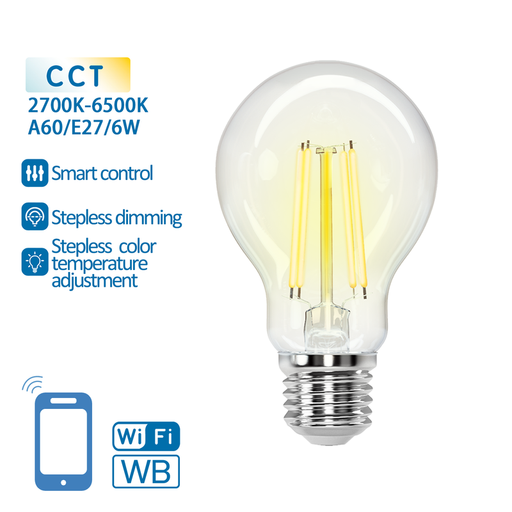
Why it is a good fit: For living spaces with an existing E27 socket and users who want to operate Wi-Fi lamps with voice control without an additional bridge.
The specifications list 850 lm at 6 W, 2.4 GHz Wi-Fi and app, Alexa and Google Home control. Nevertheless, check your network requirements.
Dimmable, 2,700–6,500 K, E27 base and app-controlled schedules.
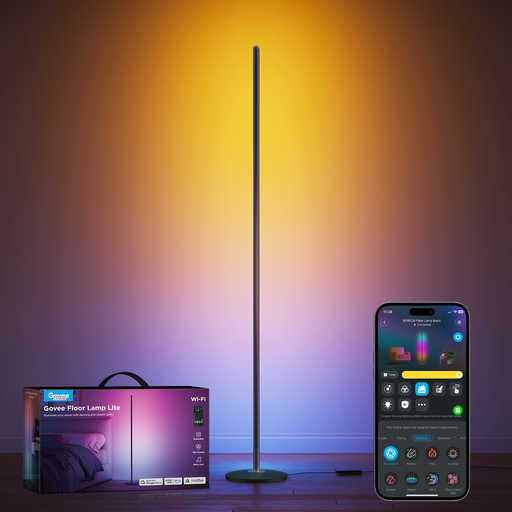
Why it is a good fit: For living rooms, bedrooms or gaming setups where a standalone LED floor lamp with app and voice control is required.
The technical specifications state 24 W, 1,000 lm, Wi-Fi, Bluetooth and compatibility with Alexa and Google Assistant. The lamp is intended for dry indoor environments only.
16 million colours, 58 scenes, dimmable operation and music and DIY segment modes.
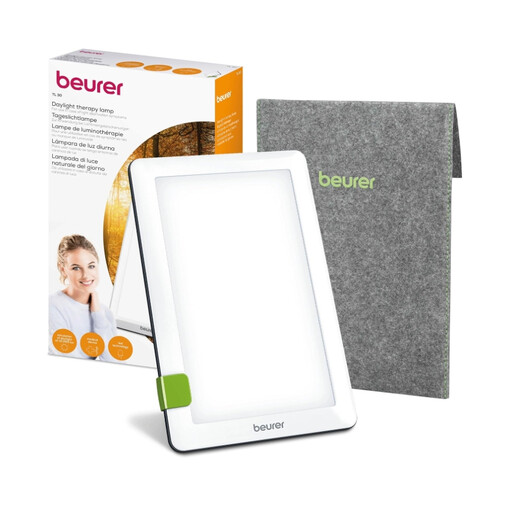
Why it is a good fit: For desks, home offices or travel when a compact daylight lamp with a defined light intensity is needed.
The specification of up to 10,000 lux applies at a distance of approximately 10 cm. Do not look directly into the light source; stop using the lamp if you experience eye discomfort.
UV-free, flicker-free LED technology, adjustable stand and one-button operation.
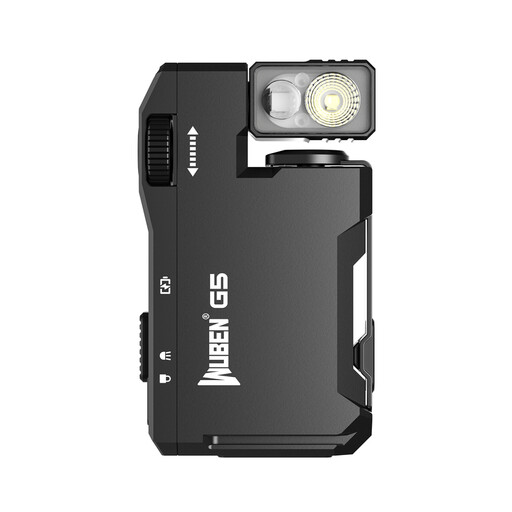
Why it is a good fit: For camping, hiking, emergency kits and night-time work outside the home.
Rather than focusing solely on marketing language, consider the listed specifications: 1,200 lm, a beam distance of up to 93 m, six modes and IP68. The USB-C port should be dry before charging.
Rechargeable battery, aluminium housing and a specified IP68 rating for water and dust protection.
We have put together a current selection of products that can be compared using clear technical criteria and the applicable safety requirements for Germany.
Lifespan depends on the product, heat dissipation, operating duration and number of switching cycles. The products mentioned list rated lifespans of up to 15,000, 20,000 or 25,000 operating hours, for example. These manufacturer specifications are reference values, not a guarantee for every usage scenario. Adequate ventilation increases the likelihood of reliable, trouble-free operation.
No. An LED lamp must be explicitly labelled as dimmable, and the existing dimmer must be suitable for LED loads. Smart models are often controlled via an app or voice assistant. According to the product specifications, the Aigostar GU10 Bluetooth Mesh set is not designed for traditional wall dimmers.
First calculate the annual energy consumption in kilowatt-hours: Power in watts ÷ 1,000 × operating hours. Then multiply the result by your current electricity price. For a fair comparison, do not look only at wattage; compare lumens as well. This makes it possible to assess energy-efficient lighting for living spaces, workplaces or leisure activities on an objective basis.