
Lieferung heute & morgen

Qualitätsgarantie

Willkommens-Angebote freischalten: KOSTENLOSE Lieferung | Bis zu 80 % RABATT | Kostenlose 30-Tage-JoyPlus-Testphase
App herunterladen
Whether it’s LED garden lighting, solar lights for your path or a rechargeable torch for power cuts: the right lighting isn’t just about brightness. Where you’ll use it, how it’s powered, its protection rating and how you operate it all determine whether a lamp is genuinely useful day to day or ends up forgotten in a drawer.
Many listings look similar at first glance. Vague specs and unsuitable designs often lead to bad buys. Use the criteria below to narrow down choices for your balcony, terrace, living space, camping and emergencies.
Lumens describe total light output. For real-world use, beam angle, colour temperature and range matter too. A compact reading lamp needs different characteristics to a torch for the garden path. A big lumen number without details on run time or beam pattern only gives a limited comparison.
Protection is indicated by the IP code. With IP44, a device is protected against solid objects from 1 mm and against splashing water from various directions. It must not be submerged. IPX4 also means splash resistance but says nothing about dust protection. For tougher conditions, IP67 or IP68 may be relevant – but the manufacturer’s specific guidance is still decisive.
A decorative outdoor light with IP44 is a good fit for a sheltered balcony or garden area. For permanently exposed spots, heavy rain or proximity to water, check the rating more closely.
Battery-powered lamps are easy to position but need the right replacement batteries. A solar garden light runs without a fixed mains connection, but depends on direct sunlight. In winter, in heavy cloud or in a shady location, run time can be shorter.
A USB-C torch or camping lamp with a rechargeable battery can be charged via a charger, laptop, vehicle or power bank. For emergencies, a dynamo lamp can make sense because it doesn’t rely on charged batteries or stocked spares.
For LED string lights and decorative lamps, also consider cable length, number of LEDs, timer and mounting options. A timer can reduce battery use, but it doesn’t replace regular checks.
Check before you buy:
Stated run time usually depends on mode, battery condition and ambient temperature. For torches, range, modes, grip, clip or wrist strap also matter. An emergency lamp should be as simple to use as possible and kept in a fixed, easy-to-reach spot.
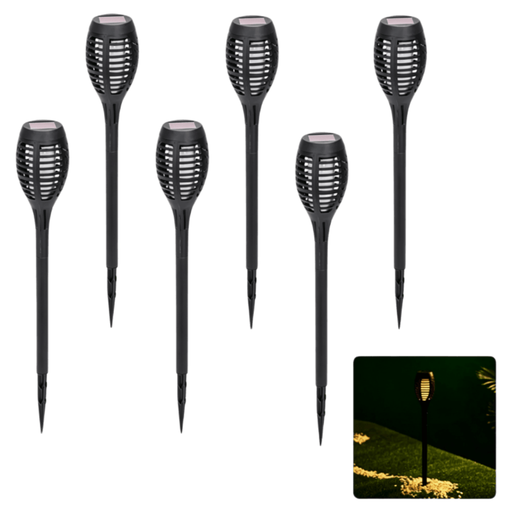
Why this product suits the profile: This six-pack is designed for paths, flowerbeds, lawns and terraces, and needs no fixed power supply.
The specs state a charging time of around 4–6 hours, 8–12 hours of light and an IP44 rating. A spot with direct sun remains essential.
2,700 K colour temperature, integrated Ni-MH battery, amorphous solar panel and six lights per set.
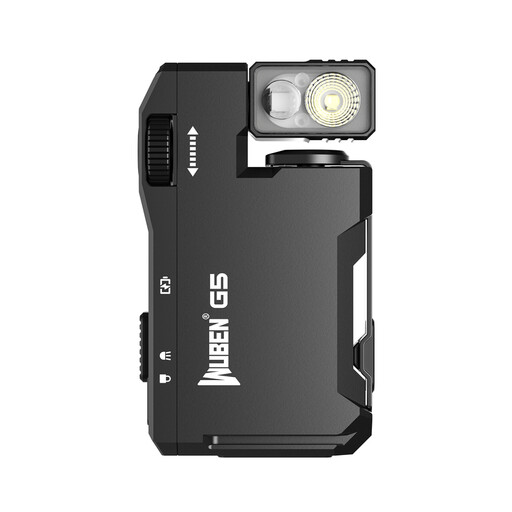
Why this product suits the profile: For outdoor activities, camping, hikes and a prepared emergency kit, it offers six modes and USB-C charging.
Alongside the 1,200-lumen figure, it states six light modes, up to 93 metres of range and IP68. The charging port must be dry before charging.
USB-C rechargeable battery, aluminium body, IP68 rating and six selectable light modes.
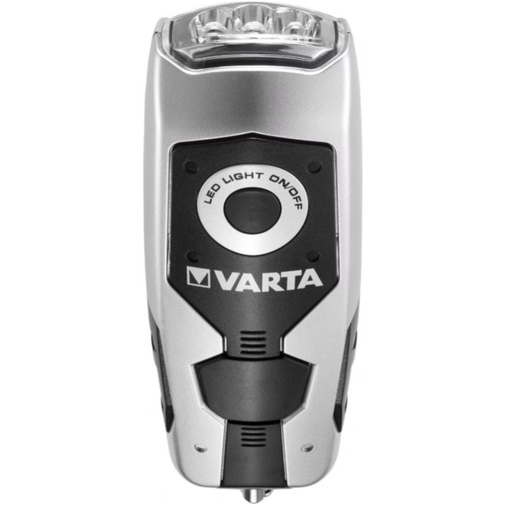
Why this product suits the profile: The hand crank makes it appealing for the car, garage, camping and power cuts when batteries aren’t available.
It doesn’t depend on disposable batteries. According to the product listing, one minute of cranking produces up to 30 minutes of light.
Integrated hand crank, no battery purchases required and splash-resistant design according to the product description.
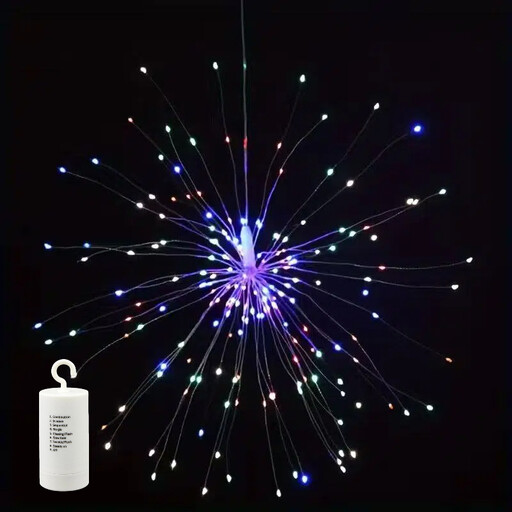
Why this product suits the profile: 90 coloured LEDs, 30 hanging points and eight light functions make it ideal for seasonal decorating indoors, on the terrace or in the garden.
The product data states an overall height of 77 cm, battery operation with four AA batteries and IP44. Do not immerse the product.
Coloured LED arrangement, eight functions with memory and flexible placement without a socket.
We’ve put together a complete, regularly updated list of products that fully meet these strict selection criteria and the safety regulations in force in the EU.
For sheltered areas such as covered balconies, IP44 may be sufficient depending on the location. For exposed areas, dust or potential temporary immersion, a suitably higher rating should be considered. An IP rating does not replace the manufacturer’s safety instructions.
Service life depends on the LED module, electronics, heat dissipation, battery and how you use it. Manufacturer claims for LED lifetime do not automatically equal run time per charge. For solar garden lights, sunlight, battery condition and outdoor temperature also affect practical run time.
Solar lights don’t need disposable batteries in use, but they only work reliably with sufficient daylight charging. Battery-powered lamps can be used anywhere regardless of sun, but incur ongoing costs for AA, AAA or other batteries. When choosing, consider purchase price, expected usage and access to sun or a charging source together.