
Lieferung heute & morgen

Qualitätsgarantie

Willkommens-Angebote freischalten: KOSTENLOSE Lieferung | Bis zu 80 % RABATT | Kostenlose 30-Tage-JoyPlus-Testphase
App herunterladen
Whether you’re camping by the lake, relaxing on the balcony, spending time in the garden or dealing with a power cut, LED lamps for outdoor and camping need to suit the task at hand. A decorative table lamp serves a different purpose from a rechargeable torch for the path or a head torch for hands-free work.
As Joybuy’s Product Recommendation Officer, I filter the selection by practical criteria and clear product specifications. This helps you avoid common buying mistakes where marketing claims outweigh battery life, ingress protection or ease of use.
A high lumen figure sounds impressive at first. However, how the light is distributed is just as important for your buying decision. An LED torch with a narrow beam is ideal for longer distances, whereas a camping lantern or portable LED lamp with a wide spread illuminates a table more evenly.
So also look out for:
Ingress protection is indicated by the IP code. The first digit describes protection against solid objects, and the second digit describes protection against water. IP44, for example, means protection against solid objects larger than 1 millimetre and against splashing water from any direction. A lamp rated IP44 is therefore not suitable for submersion.
IPX4 protects against splashing water, while IPX7 describes temporary submersion under the conditions set out in the standard. The manufacturer’s specific instructions remain the final authority. Charging ports must be dry before charging, even if the housing itself is water-resistant.
Claims like “up to 80 hours” often refer to the lowest brightness setting. At maximum output, the runtime can be significantly shorter. So check whether the manufacturer lists runtimes for multiple modes and how the lamp is charged.
For longer trips, a battery-powered LED lamp can be practical because spare batteries are easy to carry. A rechargeable outdoor lamp, on the other hand, reduces the need for disposable batteries and can be charged via USB, USB-C or a power bank.
For balconies, patios and sheltered campsites, IP44 can be sufficient, provided the lamp isn’t permanently exposed to rain or standing water. For hikes in changeable weather or more demanding outdoor use, you should look for a higher water and dust protection rating.
Important: even a waterproof torch shouldn’t automatically be used in every situation. Wear and tear on seals, an unsealed connection or a damaged housing can compromise protection.
A rechargeable torch with USB-C can often be charged via a mains adapter, laptop, vehicle or power bank. Models that use AAA batteries are ready to use straight away and are especially handy as emergency lighting. With battery-powered devices, check the correct polarity and remove batteries during long-term storage to prevent damage from leakage.
For table lamps, also consider charging time, battery capacity and the ability to operate without a cable. A cordless table lamp should be stable and have a clearly recognisable touch or push-button control.
A head torch is ideal for repairs, walking or setting up a tent, as it leaves both hands free. A table lamp with a wide base, on the other hand, is designed for camping tables, bedside tables or the patio. For children’s rooms and bedrooms, low brightness levels, a timer and a diffused cover can be useful.
Also look out for:
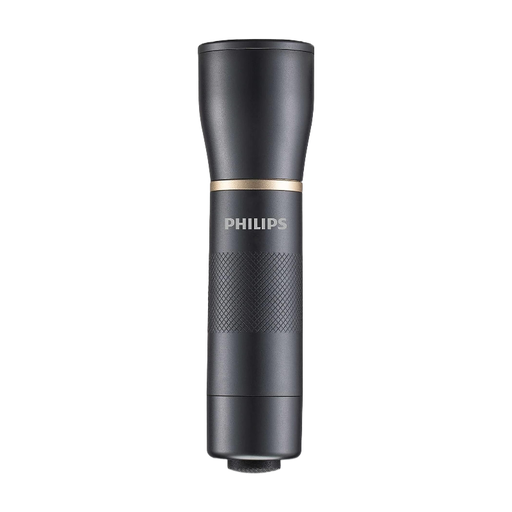
Why this product fits the profile: This battery-powered LED torch comes with three AAA batteries included, so it’s ready to use straight away for the home, walks and emergencies.
The specifications state 120 lumens, a range of up to 140 metres and IPX4. This makes the splash-water protection clearer than a vague “waterproof” label.
Aluminium housing, one-button operation, 90 grams including batteries, and three AAA batteries supplied.
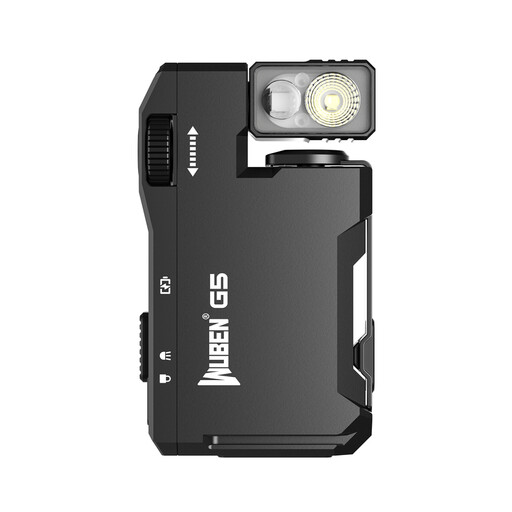
Why this product fits the profile: For camping, hiking and emergency kits, this model offers a rechargeable solution with multiple light modes.
The description states USB-C charging, six modes, 1,200 lumens and IP68. The charging port should be dry before charging; use is subject to the instructions.
Aluminium alloy, USB-C rechargeable battery, six lighting modes and a stated range of up to 93 metres.
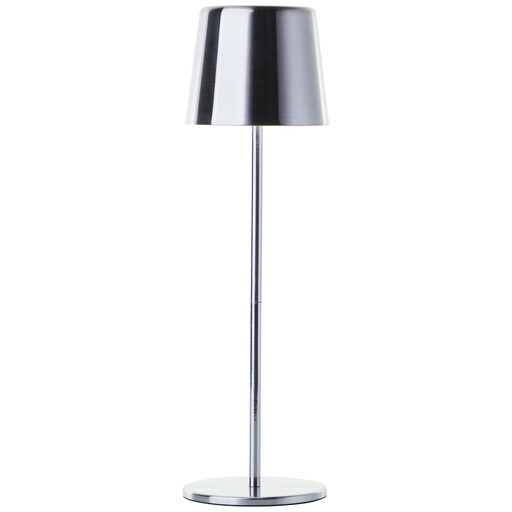
Why this product fits the profile: This rechargeable table lamp combines stepless dimming with adjustable colour temperature for indoors, balconies and sheltered outdoor areas.
The IP44 rating makes the intended splash-water protection clear. The lamp is not designed for prolonged, unprotected rain or standing water.
37 centimetres tall, USB connection, stepless touch dimmer and CCT adjustment from 3,000 to 6,500 Kelvin.
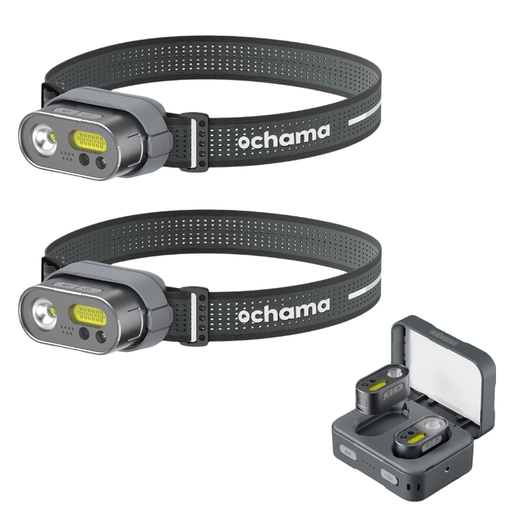
Why this product fits the profile: Two head torches, a charging case, a strap and a Type-C charging cable are designed for activities where hands-free use and compact storage matter.
The kit goes beyond a single lamp. Before buying, users should check the product description for details on sensor control, light modes, charging time and ingress protection.
Two head torches, charging case, stand and Type-C cable in one set; according to the product name, a dimmable gesture control is included.
We’ve put together a full, regularly updated list of products that fully meet these strict selection criteria and the safety regulations in force in the EU.
That depends on how you’ll use it. For a table, a camping lantern or a cordless table lamp with a wide light spread and dimmer is ideal. For paths, an LED torch with a focused beam is more suitable. If you need both hands free for setting up or cooking, consider a head torch.
The runtime depends on battery capacity, brightness level and light mode. Manufacturers’ figures often refer to the lowest setting. So compare the runtime at your preferred brightness, and also take note of charging time and the charging port.
IP44 can be suitable for sheltered outdoor areas such as balconies, patios or a covered seating area. However, the lamp should not be permanently exposed to rain, snow, fog or standing water. For every location, the manufacturer’s specifications and safety instructions are what matter.