
Lieferung heute & morgen

Qualitätsgarantie

Willkommens-Angebote freischalten: KOSTENLOSE Lieferung | Bis zu 80 % RABATT | Kostenlose 30-Tage-JoyPlus-Testphase
App herunterladen
LED light strips are suitable for many areas of the home: as indirect lighting behind the TV, task lighting at your monitor, LED cabinet lighting or decorative RGB LED strip lights. There’s a wide choice, from simple LED strips to smart LED light strips with app, voice and Matter control.
However, many disappointing purchases aren’t caused by the colour of the light, but by technical details that have been overlooked. Before buying, make sure the intended location, power supply, installation and controls are all right for you.
A five-metre LED strip won’t automatically fit every TV or desk. The key factors are the length you actually need, where the power supply will go and whether you can run the strip around curves without sharply bending it. For LED backlighting behind a TV, the set should be specifically designed for your screen size. According to its product description, the Govee TV set is designed for TVs or monitors measuring 46 to 60 inches and consists of four sections with a total length of three metres.
A high number of LEDs or an RGB function alone tells you little about whether the lighting is right for its intended purpose. An RGBIC LED strip can display coloured segments, but that doesn’t automatically make it suitable as focused task lighting. For kitchens, cabinets or drawers, motion detection, colour temperature and adequate illumination matter more than dynamic colour effects.
Dust, grease and rough surfaces reduce adhesion, even when you use the supplied adhesive strip. Before installation, the surface must be clean, dry and as smooth as possible. You should also check whether the light requires a power supply, USB connection or battery. A USB-rechargeable LED light is flexible, but needs regular charging. For mains-powered LED light strips, cable length and the position of the socket are important factors to consider.
For practical lighting, the colour temperature is important:
A dimmable LED strip lets you adjust the light to suit the time of day and what you’re doing. For a monitor light bar, also check that it’s suitable for your screen and that the light falls on your work surface without causing glare. The Yeelight Aries Monitor Light Bar is described as a dimmable screen light for gaming, working from home and studying. Buyers should check the relevant product page for details of actual brightness and energy efficiency.
Depending on the model, LED light strips run on USB, a battery or a power supply. For example, the 5-metre RGB set described here uses a 24 V DC power supply. Its power consumption is stated as approximately 12 to 18 W. The Govee RGBIC LED strip is listed as using 24 W at 24 V DC and 1 A.
For running costs, the power consumption in watts is what counts. You can estimate the electricity costs using this formula:
Power in kW × operating hours × electricity price per kWh
A battery-powered model doesn’t draw power directly from the mains while in use, but it will need recharging. An LED strip with a motion sensor can switch off automatically, helping to reduce unnecessary use in hallways, cabinets or drawers.
A simple IR remote is enough for switching the light on and off, choosing colours and adjusting brightness. A smart LED light strip can also be controlled via Bluetooth, Wi-Fi or a smart home platform. The Govee RGBIC model is listed as supporting 2.4 GHz Wi-Fi, Bluetooth and Matter. Matter can make it easier to connect the strip to compatible systems such as Apple Home, Google Home, Alexa or Samsung SmartThings. Even so, check that it’s compatible with your existing hub before buying.
Many decorative models are designed for dry indoor spaces and have an IP20 rating or no stated water-resistance rating. They shouldn’t be used in damp areas. An LED strip should also not be left rolled up while in use, as heat can build up. Always follow the installation instructions and safety guidance provided by the manufacturer.
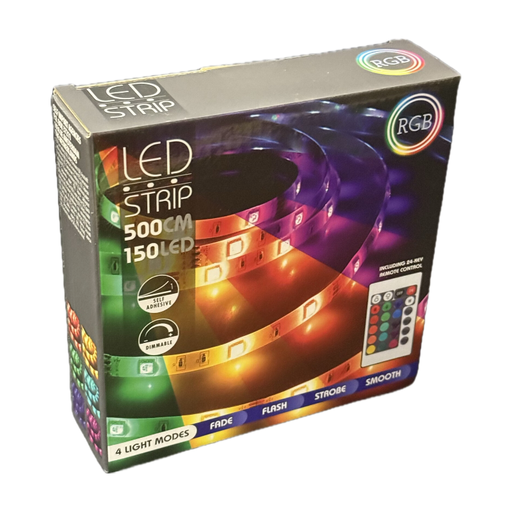
Why this product suits this profile: This set includes a five-metre RGB strip, an IR remote and a 24 V power supply for decorative indoor lighting.
The length, voltage and what’s included are all specified. This means you can check that the power supply and the area you want to light are a good match before installation.
5 m length, RGB colours, dimmable brightness and an IR remote.
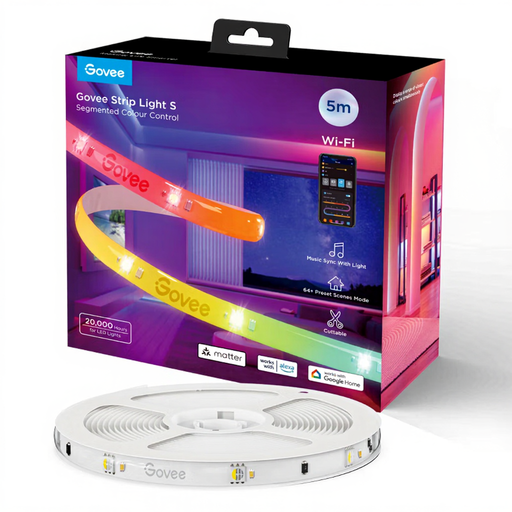
Why this product suits this profile: A good choice for buyers looking for segmented colour effects and integration with a compatible smart home system.
The specifications state a 5 m length, 24 W, 2.4 GHz Wi-Fi, Bluetooth and Matter support. This makes it possible to check platform compatibility in advance.
RGBIC segment control, a protective coating, and app, voice and Matter connectivity according to the product description.

Why this product suits this profile: For kitchens, wardrobes, hallways and shelving where you need automatic lighting without fixed wiring.
PIR detection, USB charging and three stated colour temperature ranges provide clear criteria for choosing the right light for the intended use.
Two lights, each 20 cm long, an 800 mAh battery, a sensor range of 3 to 5 m and adhesive installation.
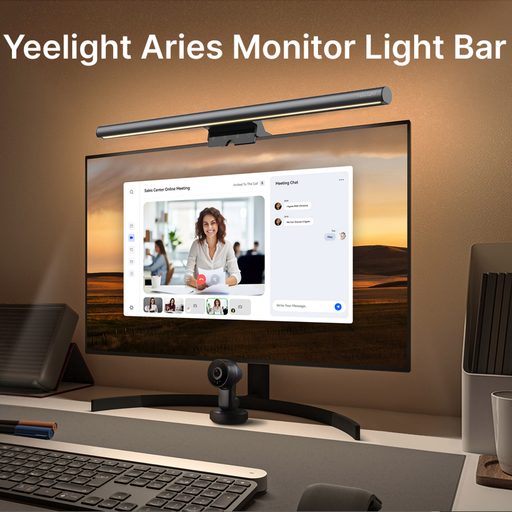
Why this product suits this profile: A monitor light bar is a space-saving choice if you want to keep your desk clear while lighting the area around your screen.
The product name indicates dimmable lighting for monitors, gaming, working from home and studying. This makes its intended use clearer than that of a purely decorative strip.
Dimming and a design intended for use with a screen; check the technical details for the specific installation method before buying.
We’ve put together a complete, regularly updated list of products that meet these strict selection criteria and fully comply with the safety regulations in force in the EU.
First, remove dust and grease from the back of the TV. Then attach the strip along the intended edges, taking care not to bend it sharply at the LED points. Keep the power supply and control unit accessible. If you’re using a TV set, check that the stated screen size matches your display’s diagonal measurement.
Their actual lifespan depends on how long they’re used, heat build-up, the power supply and the quality of their construction. An LED light strip shouldn’t be left rolled up while in use or used with its ventilation areas covered. With battery-powered lights, usable battery capacity decreases over time depending on charging cycles and storage.
Consumption depends on power, brightness and daily use. A 24 W model running for five hours a day uses a calculated 0.12 kWh per day. Dimming and automatic shut-off can help reduce consumption. For an accurate cost calculation, you’ll need the current electricity price and the power rating of the specific product.