
Lieferung heute & morgen

Qualitätsgarantie

Willkommens-Angebote freischalten: KOSTENLOSE Lieferung | Bis zu 80 % RABATT | Kostenlose 30-Tage-JoyPlus-Testphase
App herunterladen
LED lighting ranges from classic E27 LED bulbs and smart LED lighting to outdoor wall lights with motion sensors. The choice is extensive, but not every product is suitable for every location. Focusing solely on brightness, colour variety or particularly low prices often means overlooking important details.
This buying guide explains which specifications matter before you buy and which LED lights are suitable for different home, work, outdoor and vehicle scenarios.
Wattage describes energy consumption, not brightness. For a direct comparison, the luminous flux in lumens is what matters. For example, an Aigostar E27 LED bulb is specified as 15 watts, 1,500 lumens and 3,000 kelvins. This may already be very bright for a small table lamp, while a large kitchen may require several light sources.
The beam angle also matters: a wide beam angle distributes light more evenly, while a narrow angle creates focused accents.
RGB lighting produces coloured light, but it does not automatically replace functional task lighting. RGBIC LED strips can display several colour areas at the same time, making them suitable for dynamic effects, TV backlighting or gaming setups. For kitchens, desks and bathrooms, brightness, colour temperature and as even an illumination as possible are more important.
An LED light designed for indoor use should not be installed on an unprotected outdoor wall. The IP protection rating indicates how well a product is protected against dust and water. IP20 is typically intended for dry indoor areas. IP44 provides protection against splashing water, while higher protection ratings may be designed for more exposed locations.
The power supply, cables, adhesive points and mounting surface should also be checked. An LED light source must not come into direct contact with water unless the manufacturer has approved it for this purpose.
Colour temperature is measured in kelvins:
The CRI or Ra value is relevant when you need to distinguish the colours of food, clothing or work materials. A higher value means more natural-looking colour reproduction. The Aigostar E27 LED bulb is specified as CRI Ra ≥ 80.
Before buying, make sure you know whether the light is powered by 220–240 volts, USB, a battery or a vehicle connection. For smart products, the app, Bluetooth, Wi-Fi frequency and voice assistants are also important. Some devices support 2.4 GHz Wi-Fi exclusively.
The length of an LED strip should match the piece of furniture. The Govee RGBIC model is 5 metres long and designed for indoor use. According to the product specifications, it supports Wi-Fi, Bluetooth and Matter. A strip must not be tightly wound up or sharply bent during operation, as this can generate heat and damage the electronics.
For TV backlighting, the strip length should match the screen size. The Govee Envisual TV Backlight T2 is designed for 55- to 65-inch televisions and requires camera calibration. The television must be clean and dry so that the adhesive strips stick properly.
An LED light with a motion sensor is practical for cupboards, drawers and hallways. The detection range, battery capacity and recharging options are key considerations. An outdoor wall light, on the other hand, should be securely installed and have the protection rating suitable for its location.
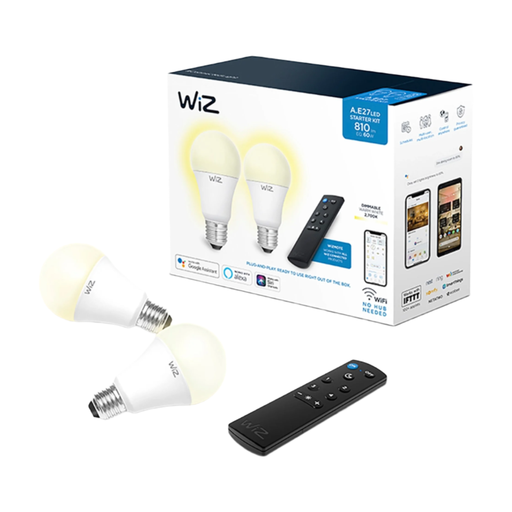
Why this product suits this profile: Two dimmable E27 LED bulbs, a remote control and app control provide an easy introduction to smart lighting without an additional bridge.
The key specifications are clearly stated: E27 base, 806 lumens per bulb, 2,700 kelvins and 8.5 watts per light source.
App, voice control, remote control and wall switch; Wi-Fi connection without an additional bridge.
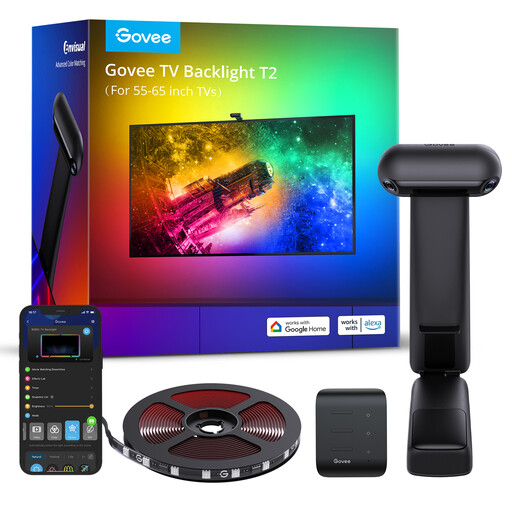
Why this product suits this profile: The dual camera captures the colours along the edge of the screen, while the app, Alexa and Google Assistant are available as control options.
The TV size of 55 to 65 inches is clearly defined. The specifications also highlight 2.4 GHz Wi-Fi, indoor use and the required calibration.
RGBIC technology, music mode, app control and an 11.8-foot strip length for compatible televisions.
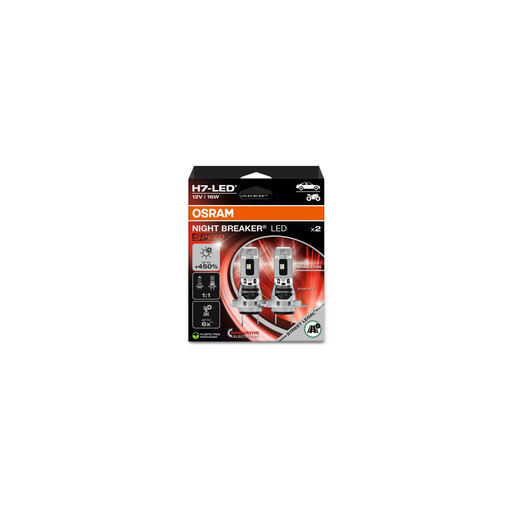
Why this product suits this profile: For drivers considering an LED solution for their vehicle while taking compatibility, voltage and approval requirements into account.
Before buying, check the current compatibility list for your vehicle model and lighting function. There is no general approval for every car.
12 volts, 16 watts, 1,550 lumens and 6,000 kelvins according to OSRAM manufacturer specifications; adapters may be required depending on the vehicle.
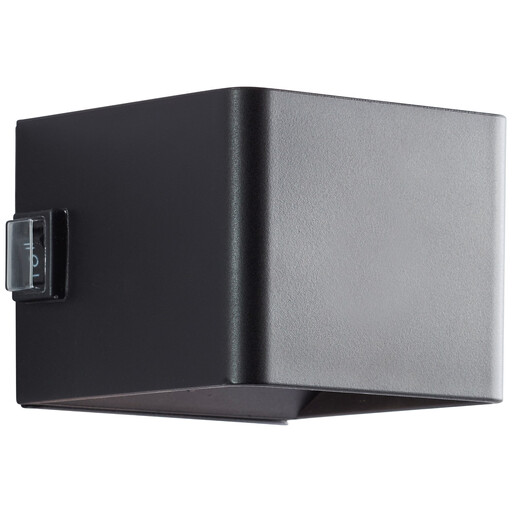
Why this product suits this profile: This battery-powered light is suitable for areas without a fixed power connection, such as patios, gardens, entrances or garages.
The light is rated IP44 and is therefore suitable for splashing water, but not for immersion. The actual installation environment remains crucial.
300 lumens, warm white light at 3,000 kelvins, battery, USB charging cable, magnet and motion sensor.
Consumption depends on the wattage and how long the bulb is used each day. A bulb rated at 8.5 watts uses 42.5 watt-hours per day when operated for five hours. To calculate the ongoing cost, multiply this consumption by your electricity tariff. Wattage should therefore always be considered alongside the lumens required.
Service life depends on product quality, heat dissipation, switching cycles and operating conditions. LED bulbs are often given a rated service life in hours. For a realistic assessment, you should also check the switching cycles and warranty conditions. An integrated LED module, as found in some outdoor lights, cannot usually be replaced easily.
Before setting up the product, check the Wi-Fi frequency, app compatibility and any accounts required. You should also establish whether the light can still be operated without the internet or a smartphone. For TV lighting, screen size, cable length, mounting surface and calibration are important. Vehicle products also have requirements relating to voltage, installation type and legal approval.