
Lieferung heute & morgen

Qualitätsgarantie

Willkommens-Angebote freischalten: KOSTENLOSE Lieferung | Bis zu 80 % RABATT | Kostenlose 30-Tage-JoyPlus-Testphase
App herunterladen
An LED light with a motion sensor promises convenience and security: it lights your way when you get up at night, secures your entryway, or illuminates a wardrobe without you having to fumble for a switch. In practice, however, many models prove to be unreliable. Before you make a purchase, it's crucial to understand the common weaknesses that often only become apparent after a few weeks of use.
Many buyers report two central problems:
This guide will show you which technical parameters to look for to make an informed decision and find a durable, functional product.
To avoid the problems mentioned above, you should check three core aspects: the power supply, the sensor technology, and the light quality. These factors are decisive for the light's reliability and practical utility.
The choice of energy source depends directly on the location and frequency of use.
The motion sensor is the heart of the light. Its quality is the difference between frustration and satisfaction.
The illumination itself should be tailored to its purpose.
Here are some product recommendations tailored to specific user profiles that meet the criteria mentioned above.
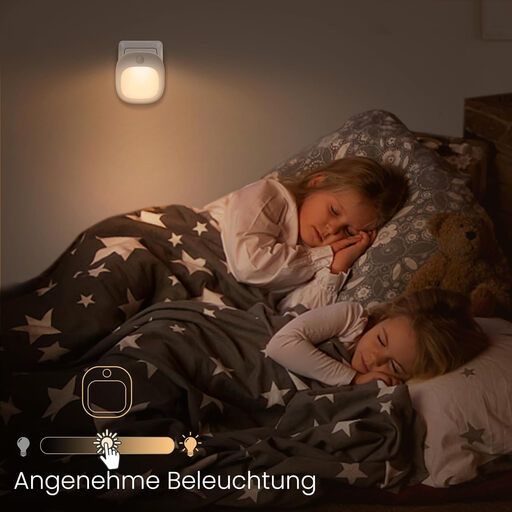
Why This Fits Their Persona: Ideal for families and seniors who need straightforward, adaptable lighting for hallways, bedrooms, or children's rooms. No installation required, easily rechargeable via USB, and can be placed anywhere.
The integrated 500mAh battery offers a long runtime in sensor mode, avoiding frequent recharging. The adjustable colour temperatures and brightness levels prevent the light from feeling too harsh at night.
Highly customisable with 3 colour temperatures and 5-step dimming. The sensor only activates in darkness (≤20 LUX), which optimises battery life.
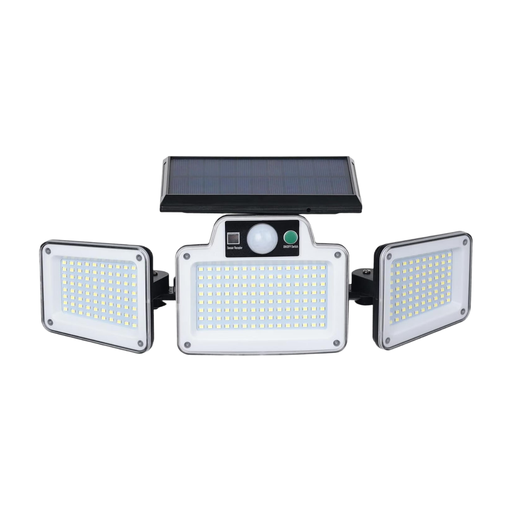
Why This Fits Their Persona: Perfect for homeowners who want to secure driveways, garages, or gardens without complex installation or ongoing electricity costs. The solar function makes the system self-sufficient and eco-friendly.
The IP65 protection rating ensures high resistance to dust and water jets, solving the problem of poor durability outdoors. The 2400mAh battery provides reliable light even after days with little sun.
Energy self-sufficient thanks to solar power. High brightness from 280 LEDs and wide, flexible illumination via three adjustable light heads. Three operating modes can be selected via remote control.

Why This Fits Their Persona: Ideal for renters, campers, or for use in a shed or basement. The magnetic mount allows for instant installation on metal surfaces without any drilling.
The combination of battery power and a magnetic mount bypasses the problem of fixed installations and inaccessible power sources. The IP44 protection rating makes it robust enough for sheltered outdoor areas (e.g., a covered balcony).
Extremely flexible due to its battery operation and magnetic attachment. With 300 lumens and warm white light (3000 K), it's versatile enough for both functional and ambient lighting.
We've compiled a complete, up-to-date list of products that fully meet these strict selection criteria and safety standards.
The IP (Ingress Protection) rating indicates how well an electrical device is protected against the intrusion of foreign objects (first digit) and water (second digit).
The runtime depends heavily on the battery capacity (in mAh), the set brightness, and the frequency of activation. In pure sensor mode, where the light only turns on for short periods a few times per night, many models can last several weeks or even months on a single charge. Manufacturer specifications (e.g., "up to 10 hours") often refer to the continuous-on time, not the sensor mode runtime.
On basic models, the sensitivity is often fixed. However, higher-quality products, especially outdoor floodlights, frequently offer adjustment options. These can include the light's on-time after activation, the sensor's range, and the dusk threshold (LUX value) at which the sensor becomes active. This customisability helps to minimise false triggers and adapt the function to the specific conditions on site.