
Lieferung heute & morgen

Qualitätsgarantie

Willkommens-Angebote freischalten: KOSTENLOSE Lieferung | Bis zu 80 % RABATT | Kostenlose 30-Tage-JoyPlus-Testphase
App herunterladen
Whether you’re out walking, relaxing on the patio or dealing with a power cut, LED lights vary considerably in brightness, power supply, weather resistance and ease of use. A high lumen rating alone says little about whether a lamp is suitable for its intended purpose. Checking a few technical specifications before buying can help you avoid unnecessary expense and disappointing purchases.
The lumen rating describes the total luminous flux. However, the shape of the beam is also crucial in real-world use. An LED torch with a focused beam may shine further than a lamp with a higher lumen output but a wider spread.
A focusable or narrow beam is useful for paths and distant objects. For reading, cooking in a tent or working at a table, a camping lamp with a wide spread is the better choice.
The IP44 rating protects against splashing water, but not against immersion. By contrast, a waterproof torch with IP68 is designed for considerably more demanding conditions. Even so, charging ports should be dry before charging.
Solar garden lights with IP44 are best placed somewhere where water cannot collect. The protection rating is not a licence to leave the lights permanently submerged or clean them with a powerful jet of water.
The runtime of a rechargeable torch depends on the brightness setting, battery capacity and ambient temperature. Solar lights need direct daylight; charging performance may be lower in shade, cloudy weather or during winter. Battery-powered lights should also not be stored with batteries inserted if they are going to be kept unused for a longer period.
An emergency light should also be intuitive to operate. During a power cut, a few clearly recognisable buttons are often more practical than numerous complicated functions.
Check whether the light runs on AAA batteries, a built-in rechargeable battery or a solar panel. Batteries can be replaced quickly and are useful as a backup. A USB-C port allows charging via a mains adapter, power bank, laptop or vehicle adapter. It is important to check whether a charging cable and mains adapter are actually included.
Solar garden lights do not need a permanent mains connection. When choosing, compare the charging time, stated lighting duration and battery type. For example, Aigostar solar lights specify a charging time of around 4 to 6 hours and a lighting duration of 8 to 12 hours under suitable conditions.
A lightweight plastic housing is often sufficient for indoor use. For walks and regular outdoor use, an aluminium housing, a protected charging port and a higher IP rating may be important considerations. For children’s lights, low weight, a non-slip surface and careful battery handling are particularly important.
Always follow the manufacturer’s instructions. Even an LED lamp with splash protection must not be immersed in water. LED string lights and decorative garden lighting should also be secured so that cables, battery compartments and connectors are not permanently exposed to moisture.
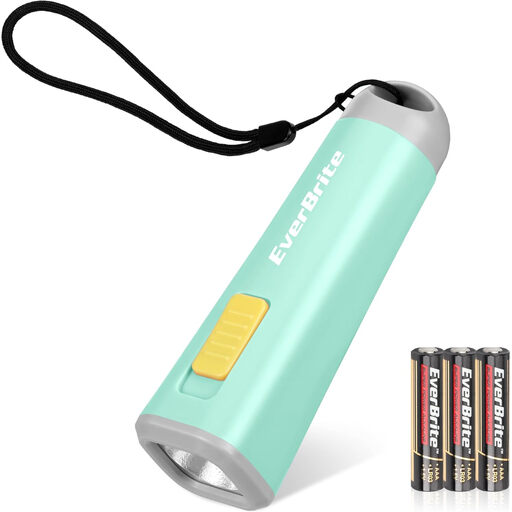
Why this product suits the profile: According to the product details, this compact children’s light weighs 46 g and runs on three AAA batteries. It is suitable for reading, trips and use as a simple backup light.
Its low weight makes it easy to carry. The stated output of 25–30 lumens gives a clearer idea of the expected brightness than an unexplained marketing claim.
46 g weight; three AAA batteries included; soft yellow LED light. Not waterproof, so protect it from moisture.
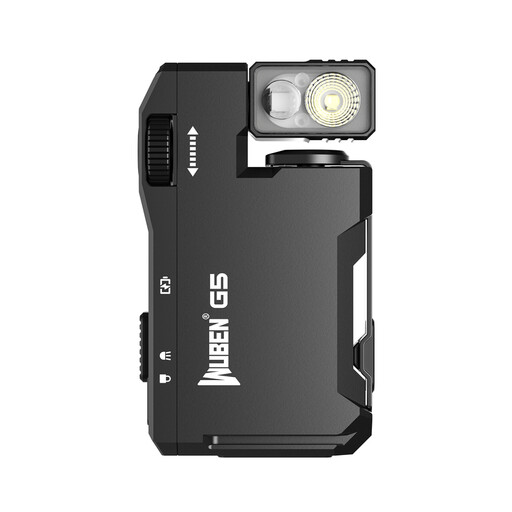
Why this product suits the profile: For camping, walking and emergency kits, the USB-C charging function, six light modes and IP68 protection listed in the product details are useful features.
The brightness of 1,200 lumens, a stated range of up to 93 m and an IP68 rating are specific, measurable criteria to consider when choosing.
USB-C rechargeable battery; six light modes; aluminium housing; IP68 according to the product description. Do not shine directly into anyone’s eyes.
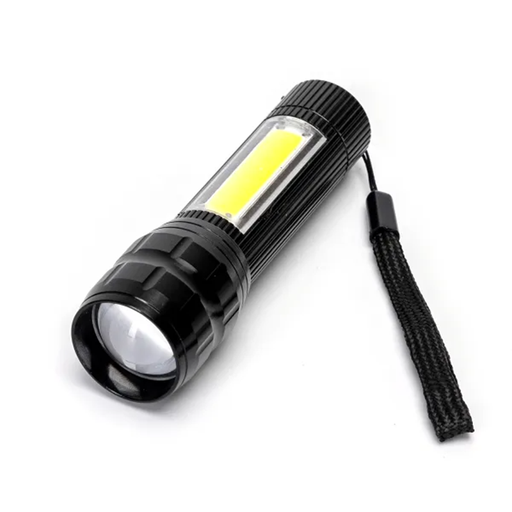
Why this product suits the profile: The combination of a focusable main beam and side COB light supports a range of tasks, including lighting paths, reading maps, carrying out repairs and using it as a compact emergency light.
The stated output of 115 lumens, range of up to 180 m and IP44 rating show that range and splash protection need to be assessed separately.
USB charging; adjustable beam; integrated side light; aluminium housing. IP44 only protects against splashing water.
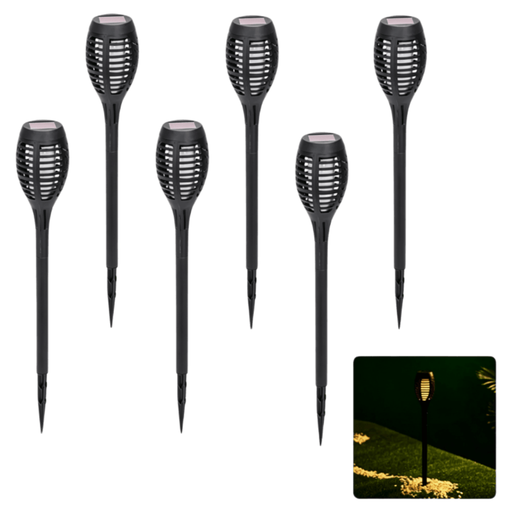
Why this product suits the profile: This set is designed for paths, lawns, patios and decorative garden lighting. The warm white light colour of 2,700 K creates a subtle outdoor atmosphere.
The product details specify the charging time, runtime, battery type and IP44 protection. This makes it easier to form realistic expectations about solar charging.
Six-piece set; solar cells; stated lighting duration of 8–12 hours; 2,700 K; IP44. Ensure sufficient direct sunlight.
We’ve put together a complete, regularly updated list of products that fully meet these strict selection criteria and the safety regulations applicable in the EU.
For camping, a rechargeable torch with USB-C or a camping lamp with wide light distribution is practical. Walkers should also pay attention to weight, grip, range and weather resistance. As part of an emergency kit, a battery-powered backup light combined with a charged rechargeable model is a sensible choice.
For the garden, solar garden lights with a warm white light colour are an option that does not require a permanent power cable. LED string lights are more suitable for decorative purposes than for lighting a path. For outdoor products, always check the IP rating, temperature range and the position of the battery compartment.
Lifespan depends on the LED module, electronics, battery and conditions of use. Solar garden lights often specify a rated LED lifespan. However, the built-in battery may lose capacity sooner. Rechargeable models should not be stored completely discharged for extended periods.
LEDs generally require less electrical power during operation than older types of light source. Actual running costs depend on wattage, daily usage time and the electricity price. Solar lights do not incur ongoing mains electricity costs while operating, although the purchase price and any battery replacement should be included when considering total costs.
That depends on where it will be used. IP44 may be sufficient for covered areas, provided the light is not exposed to standing water. For rain, dust and more demanding outdoor use, a higher protection rating such as IP68 is more suitable. The manufacturer’s information on temperature range, charging port and installation should also be taken into account.