
Lieferung heute & morgen

Qualitätsgarantie

Willkommens-Angebote freischalten: KOSTENLOSE Lieferung | Bis zu 80 % RABATT | Kostenlose 30-Tage-JoyPlus-Testphase
App herunterladen
An LED night light seems like a simple purchase: plug it in or set it up and enjoy a soft glow in the dark. In practice, however, ill-considered buys often lead to frustration. Light that is too harsh can significantly disrupt sleep, impractical models can block valuable outlets, and for products in children's rooms, safety is a top priority.
This guide reveals the three most common pitfalls when buying an LED night light and explains which technical features truly matter. This will help you find a model that reliably serves its purpose without becoming a nuisance.
The most common pitfalls when buying:
To avoid these problems, you should base your choice on objective criteria. The following three points are crucial for the functionality and safety of your night light.
The quality of the light is the most important criterion. Pay attention to two key metrics:
The choice of power source depends on where it will be used:
Additional features can significantly enhance convenience:
Here are some recommendations tailored to specific use cases that purposefully avoid the pitfalls mentioned.

Why This Fits Their Persona: Ideal as a nursing light or a soothing light for babies. The soft, BPA-free silicone is safe for children. The dimming function and timer are tailored to the needs of both parent and child.
The soft, dimmable light won't disturb sleep. According to the manufacturer, the material is food-grade and safe. The rechargeable battery provides flexibility without cable clutter by the bed.
Features 3-level touch-controlled dimming and a built-in 30-minute timer. The 1200 mAh battery is charged via USB-C.
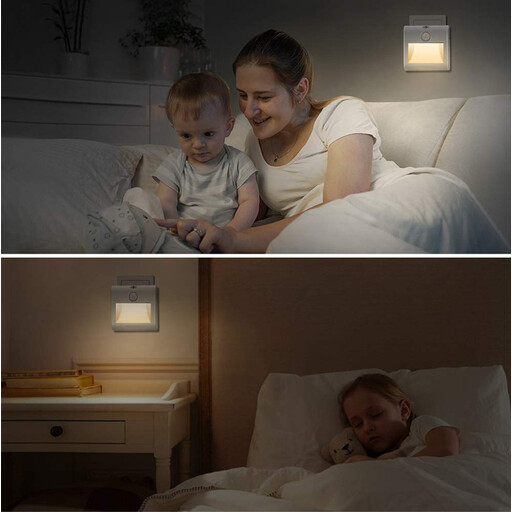
Why This Fits Their Persona: Perfect for homeowners who need a reliable guide light for hallways, stairs, or bathrooms. Plugging directly into an outlet makes it maintenance-free.
The motion sensor ensures the light only activates when needed, saving energy. The plug-in design eliminates the hassle of changing batteries.
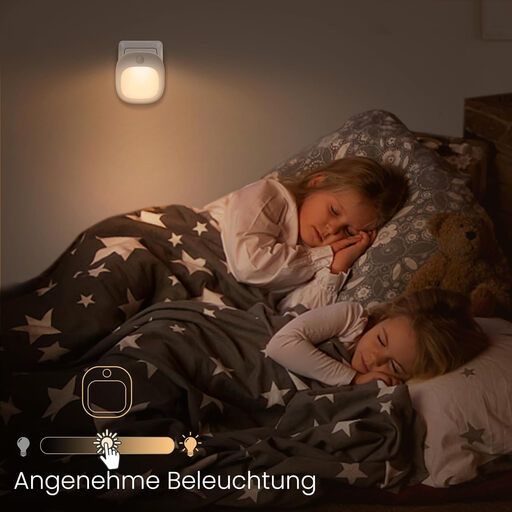
Offers two modes (always-on and sensor) plus stepless touch dimming with a memory function. The sensor detects motion within a 3-5 meter range.
Why This Fits Their Persona: For users who need a rechargeable night light that isn't tied to one location. Ideal for closets, campers, or as a temporary light in guest rooms.
The combination of battery power, adjustable color temperature, and brightness solves the problems of inconvenient power sources and poor light quality all at once.
Offers three color temperatures (Warm White, Cool White, Mixed) and five brightness levels. The built-in 500 mAh battery charges via USB and offers long runtime in sensor mode.
We've compiled a complete, up-to-date list of products that fully meet these strict selection criteria and safety standards.
The brightness should be as dim as possible, but as bright as necessary. For a guide light in a hallway, 5 to 15 lumens (lm) is often enough. In a child's room, the light should be even dimmer to avoid disrupting sleep. A dimmable night light is the best choice here, as you can adjust the brightness to fit the situation.
Both versions have their merits. A plug-in night light is ideal for fixed installations in hallways or kitchens because it's maintenance-free. A rechargeable night light with a battery offers maximum flexibility and can be placed wherever it's needed—a great choice for children's rooms or for taking on trips.
The power consumption of modern LED night lights is extremely low. A model with a power rating of 0.5 to 1 watt will consume only a few kilowatt-hours per year, even with several hours of daily use. The electricity costs typically amount to just a few dollars annually, making them a very energy-efficient solution.