
Lieferung heute & morgen

Qualitätsgarantie

Willkommens-Angebote freischalten: KOSTENLOSE Lieferung | Bis zu 80 % RABATT | Kostenlose 30-Tage-JoyPlus-Testphase
App herunterladen
An LED night light with motion sensor is designed to provide light exactly when you need it – whether you're opening a kitchen cupboard, heading to the bathroom or navigating a staircase. In practice, however, models differ significantly in terms of sensor technology, mounting, power supply and light output. If you only focus on the number of LEDs or a low price, you could end up buying a light that doesn't trigger reliably, is too bright, or needs frequent recharging.
Many compact lights use a PIR sensor. This responds to changes in heat radiation and works well for noticeable movements within a limited area. For a cupboard, hallway or entrance area, this is often sufficient.
A presence sensor using mmWave technology, on the other hand, works differently. According to product specifications, it can detect smaller movements or longer periods of presence. This is interesting for smart home automation, but usually comes with additional requirements for a hub, app and power supply.
The number of LEDs doesn't automatically indicate usable brightness. More meaningful values include lumens, beam angle and colour temperature. For cupboard lighting or an under-cabinet kitchen light, neutral or cool white light can be practical. In the bedroom or as a night light for the hallway and bedroom, warm white light is often considered more pleasant.
Even a very bright light can be unsuitable if it's mounted at eye level or switches on at night without a dimming function.
A cordless night light with a rechargeable battery can be mounted without drilling and repositioned flexibly. However, battery life depends on how often it's triggered, how long it stays on, and the brightness level. So check whether it has a USB port, what battery capacity is stated, and whether the charging cable is included.
With hardwired 230-volt sensors, there's no need to recharge. However, installation is more demanding and should be carried out according to the manufacturer's instructions and applicable electrical regulations.
For furniture lighting, a detection range of 3 to 5 metres is usually sufficient. For hallways or larger rooms, a wider angle can be more important than maximum range. A sensor with 360-degree detection is designed for ceiling mounting, while wall-mounted models typically cover a targeted, adjustable area.
Also pay attention to the hold time. An automatic switch-off after a few seconds saves energy, but can be impractical on stairs or in walk-through areas.
With a rechargeable LED lamp, battery capacity and charging port are key. Examples from our selection:
Adhesive mounting is suitable for smooth, clean surfaces. Before applying, the surface should be grease-free and dry. For heavier lights or consistently warm environments, a mechanical fixing is preferable.
A dimmable LED light offers more flexibility, especially in the bedroom, children's room or hallway. Typical ranges include:
For damp rooms or sheltered outdoor areas, the IP rating must also suit the environment. A product with IP20 is intended exclusively for dry indoor spaces. With 230-volt models, installation should be left to a qualified electrician.

Why this product fits the profile: Two compact lights with USB charging are ideal for cupboards, shelves and short hallway areas when you want a drill-free installation.
The specifications state a PIR detection range of 3 to 5 metres, three colour temperatures and adhesive mounting. This makes it easier to assess the sensor area and light colour before purchase.
2-pack, 21 LEDs per light, 800 mAh battery and dimensions of 200 × 38 × 10 mm.
Why this product fits the profile: The longer design covers larger cupboard or work surfaces and offers a choice between three light colours.
The technical specifications list 41 LEDs, 1100 mAh battery capacity, PIR detection and a slim depth of 10 mm. This makes planning for narrow installation spaces easier.
30 cm light in a 2-pack, USB charging at 5 V and three colour temperature ranges from warm white to cool white.
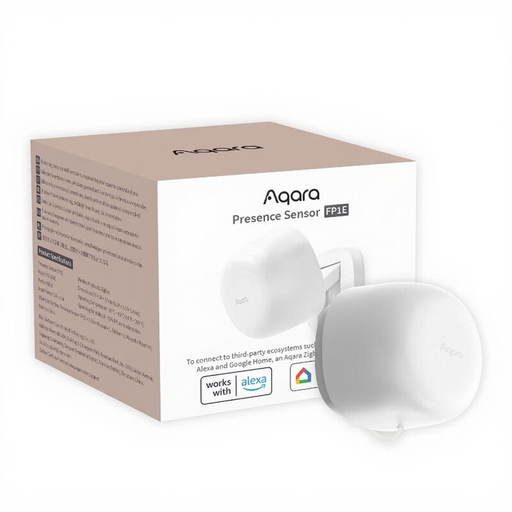
Why this product fits the profile: For smart home households that want to control lighting automation based on movement or presence and already use a compatible system.
The product information explicitly mentions the need for an Aqara Zigbee 3.0 hub and a separate 5 V power supply. These additional costs and system requirements should be factored in before purchase.
mmWave detection, up to 6 m range, 120-degree field of view and support for multiple smart home platforms via Matter bridge.
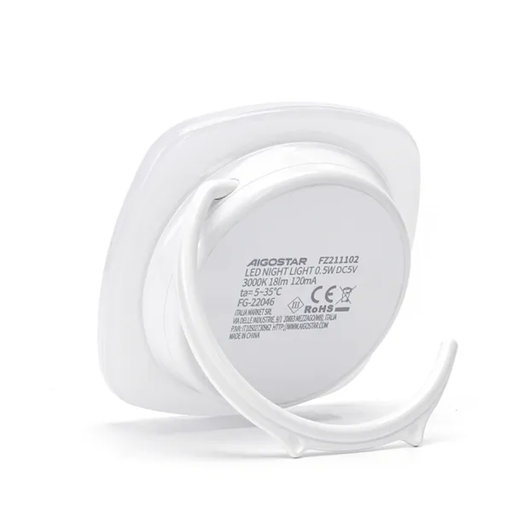
Why this product fits the profile: The compact format is ideal for hallways, cupboards and under-cabinet areas when you want warm white orientation light and USB charging.
The specifications state 3000 Kelvin, 18 lumens, a PIR range of 3.5 m and a 500 mAh battery. This makes brightness and application area clearer to assess.
USB rechargeable battery, 120-degree beam angle and stated run time of up to 6 hours when triggered by movement.
We've put together a complete, regularly updated list of products that fully meet these strict selection criteria and the safety regulations applicable in the EU.
The mounting position should cover the expected movement path without furniture, doors or edges blocking the sensor. Adhesive surfaces must be clean, dry and load-bearing. With magnetic holders, check that the light sits securely. 230-volt sensors must only be connected when the power supply is switched off and in accordance with local regulations.
It's not possible to give a general run time. Frequent triggers, long hold times and high brightness all increase power consumption. A larger battery, for example 800 or 1100 mAh, can offer more reserve; however, usage and control electronics remain the deciding factors. A USB night light should be recharged as soon as the brightness starts to fade.
A motion sensor light can limit the time it's on because it only switches on when movement is detected. Actual consumption depends on power, on-time, trigger frequency and standby consumption. With an LED light strip for a cupboard or a small night light, these values are usually modest in everyday use. Nevertheless, check the technical specifications of the specific model.