
Lieferung heute & morgen

Qualitätsgarantie

Willkommens-Angebote freischalten: KOSTENLOSE Lieferung | Bis zu 80 % RABATT | Kostenlose 30-Tage-JoyPlus-Testphase
App herunterladen
An LED night light or LED strip can serve different purposes in a bedroom, children’s room, living room or gaming room. A night light is usually designed to provide subtle illumination for finding your way, while an LED strip lights up surfaces, furniture or the area behind your TV. Before you buy, it’s worth taking a closer look at the technical specifications, controls and intended location.
Many products look similar at first glance. However, some important differences only become clear in everyday use.
A higher wattage doesn’t automatically mean better illumination for your needs. For a night light, lumens are what matter. A 40 lm model is better suited to a small area, such as a bedside table or shelf. An LED strip measuring 5 m, on the other hand, spreads light over a much larger area.
The colour temperature should also suit the intended use. Warm white light in the region of around 2600 to 2800 K looks less cool than cool white light. For a children’s room or bedroom, a low brightness setting with a warm white colour can be more practical. RGB colours are better suited to decorative ambient lighting.
A rechargeable LED night light means you don’t need to keep a mains socket occupied. Check the details of the charging port, charging method and whether you can use the light while it’s charging. A USB-C night light is particularly convenient for everyday use, while older models are often charged via a USB-A cable or a proprietary connector.
A night light with a motion sensor won’t necessarily respond to every movement. Some products use an ambient light sensor instead, switching on when the light level is low. These functions shouldn’t be confused. A timer is a separate feature too, and doesn’t automatically mean the light has a sensor.
A 5 m LED strip needs a clean, dry and preferably smooth surface for installation. Dust, textured wallpaper or grease can reduce adhesion. If you’re choosing a mains-powered LED strip, you’ll also need to make sure the socket is accessible and the cable and power supply are long enough.
The IP rating is also important. An IP20 strip is intended for dry indoor spaces, not damp areas. A protective coating doesn’t replace explicit approval for use in bathrooms or outdoors.
Look at the combination of lumens, colour temperature and dimming function. A dimmable night light is easier to adjust for finding your way at night, reading or creating decorative lighting. With RGB products, it should also be clear whether they show just one colour at a time or let you control multiple segments independently.
An RGB night light with seven colours offers a basic choice of colours. Depending on the model, an RGBIC LED strip can display several colour zones at once. This is useful for gaming setups, shelves or home cinemas, but isn’t essential if you simply want an even, single colour.
For battery-powered lights, the charging port and power consumption are important points to compare. A 1 W night light running for ten hours theoretically uses 10 Wh. The actual cost depends on your electricity tariff, charging losses and how long you use it for.
For a mains-powered LED strip, check the stated power consumption of the whole system. A 22 W strip used for ten hours a day will use considerably more energy than a 1 W night light. A mains-powered model can make sense for occasional decoration, while a rechargeable night light is often a better choice for short trips around the house at night.
Check whether the supplier provides clear information about the manufacturer, power supply, voltage and responsible person in the EU. However, naming an EU responsible person doesn’t automatically verify every technical detail. Use the product in accordance with the instructions.
Don’t leave LED strips switched on while rolled up if this could prevent heat from escaping properly. Keep power supplies and cables out of reach of young children. If you’re buying an LED night light for a children’s room, also check that it has a stable base, rounded edges and clear guidance on supervision.
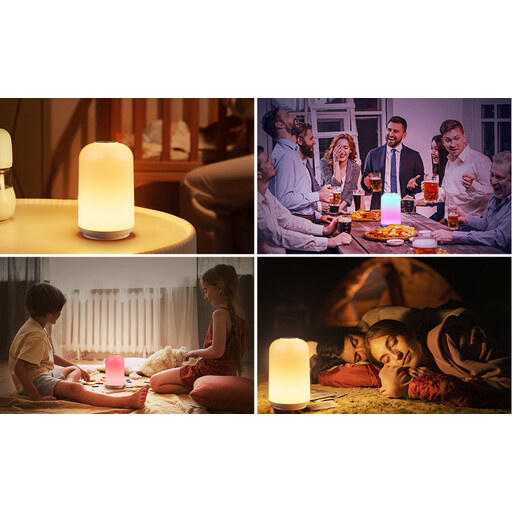
Why this product suits this profile: This compact model doesn’t need permanent installation and can be placed on bedside tables, shelves or furniture.
The specifications state 40 lm, stepless dimming in warm white mode and a built-in rechargeable battery, so you don’t need to keep a socket occupied.
12 SMD LEDs, warm white at 2600–2800 K, seven RGB colours, USB charging at 5 V/1 A and automatic activation when ambient light levels are low.
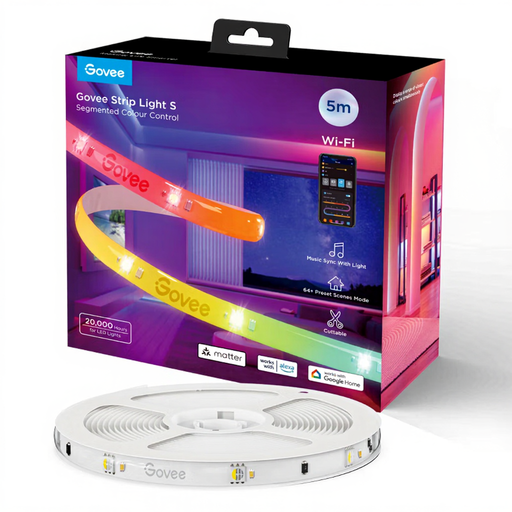
Why this product suits this profile: App control, Matter support and segmented colours make this a good fit for smart home users, gamers and home cinema setups.
The product details specify a 5 m length, 24 W power consumption, protective coating and indoor use only. This makes it easier to plan where and how to install it.
RGBIC segment control, 2.4 GHz Wi-Fi, Bluetooth, Matter and voice control via supported smart home platforms.
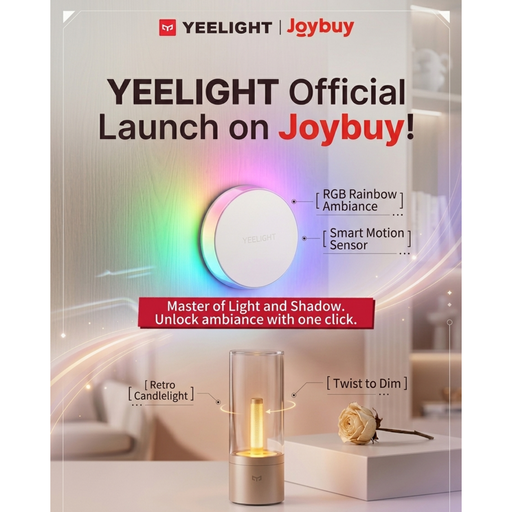
Why this product suits this profile: For anyone looking for a portable RGB night light with magnetic mounting, USB-C charging and sensor control.
The motion sensor, magnetic mounting and USB-C port are clearly stated features, not just general claims about ambient lighting.
Rechargeable battery, USB-C, magnetic mounting and eleven preset lighting effects for the living room, bedroom or gaming room.
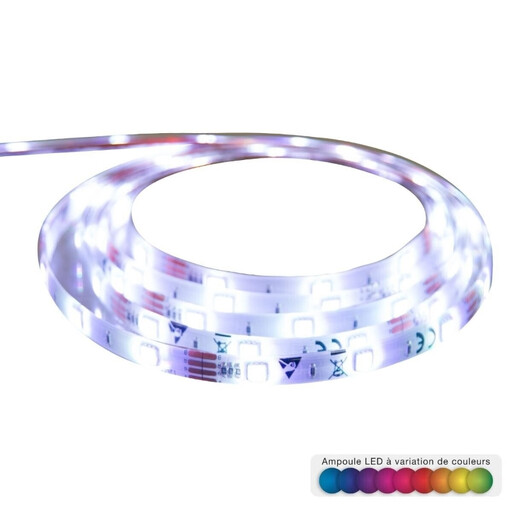
Why this product suits this profile: This mains-powered LED strip is suitable for shelves, stair railings or the back of a TV in dry indoor spaces.
The length, power, voltage and IP rating are all stated: 5 m, 22 W, 230 V and IP20. This clearly defines its use as indoor decorative lighting.
150 LEDs, self-adhesive backing, infrared remote control and adjustable length for decorative use.
We’ve put together a complete, regularly updated list of products that meet these strict selection criteria and the safety regulations in force in the EU.
Clean the surface, let it dry and test the position before removing the backing film. Then press the strip down a section at a time. Avoid bending it sharply around the LED sections. For longer strips, it’s also important to allow enough heat to escape.
Its actual lifespan depends on the LED module, battery, charging cycles, operating time and ambient temperature. With a rechargeable night light, battery ageing is a particularly important factor. Only use a suitable charger, and don’t store the light for long periods at extreme temperatures.
The simple calculation is: Power in watts × operating hours ÷ 1000 = kilowatt-hours. A 1 W night light running for ten hours uses 0.01 kWh. Multiply this by your personal electricity rate for a rough estimate of the cost. For LED strips, remember to include the power consumption of the complete system, including the power supply.