
Lieferung heute & morgen

Qualitätsgarantie

Willkommens-Angebote freischalten: KOSTENLOSE Lieferung | Bis zu 80 % RABATT | Kostenlose 30-Tage-JoyPlus-Testphase
App herunterladen
LED outdoor lighting can provide targeted illumination for paths, driveways, gardens, garages and work areas. The choice ranges from permanently installed LED spotlights and LED floodlights to solar floodlights and portable LED torches. However, a high lumen rating alone is not decisive. The housing, IP rating, power supply and installation method determine whether a light is genuinely suitable for its intended location in everyday use in the UK.
A high lumen rating describes the luminous flux, but it does not automatically indicate the range or even illumination. A wide-beam LED floodlight can illuminate a large area, while a torch with a focused beam can reach a greater distance. You should therefore also check the beam angle, stated lighting range and intended mounting distance.
The designations IP65, IP66 and IP68 are often loosely advertised as “waterproof”. However, they represent different levels of protection:
The IP rating applies to the complete product and only when covers, cable glands and connections have been correctly closed or installed. With a permanently installed waterproof outdoor light, the power supply, junction box and cable connection must therefore also be suitable for outdoor use.
A solar floodlight needs sufficient sunlight. Its available energy is affected by orientation, shade, the time of year and dirt on the solar panel. Statements such as “up to twelve hours” are maximum figures under specific conditions, not a guaranteed lighting duration every night.
For security lighting, garage lighting and work areas, cool white light in the range of around 4,000 to 6,500 Kelvin is often chosen. It has a functional appearance and supports visibility. Warm white light can be more pleasant for seating areas or decorative garden lighting.
As well as the colour temperature, pay attention to:
An adjustable LED outdoor spotlight can direct the beam towards a driveway, gate, façade or work surface. For a large area, a wide beam angle is often more practical than a tightly focused beam.
Permanently installed lights in Germany are operated using the existing mains voltage. If the voltage, frequency and connection type do not match the local conditions, the product must not simply be connected. The LUTEC model, for example, is specified as AC 120 V, 60 Hz. This specification is not directly compatible with the German 230-volt mains supply. Installation may only take place after checking electrical compatibility and must be carried out by a suitably qualified electrician.
With an LED floodlight without a plug, the electrical connections must also be protected against moisture. For tenants, solar lights or portable lights may be more suitable, as they do not require permanent alterations to the building’s electrical system.
Aluminium, toughened glass and robust plastic components can be useful for outdoor and workshop use. Nevertheless, you should check whether the light is designed to withstand impacts and whether replacement rechargeable batteries or standard batteries are available.
With a USB-C torch, the charging port, charging indicator and battery capacity are all relevant. A rechargeable torch reduces the need for disposable batteries, but it does need to be charged regularly. For emergencies, a battery-powered lamp supplied with AA or AAA batteries may be more practical.
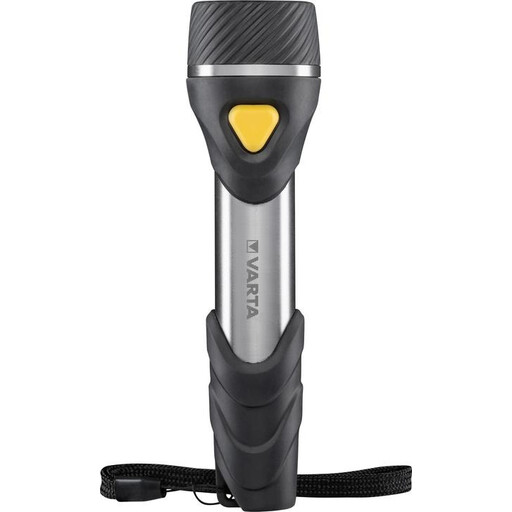
Why this product suits this profile: For use around the home, during power cuts, on walks and for simple tasks, this battery-powered LED torch is straightforward to use and does not require a charger.
The specifications clearly state up to 40 lumens, a lighting range of up to 29 metres and up to 62 hours of battery life. This makes it easier to assess the light output and suitable applications.
Three-part housing made from stainless steel, rubber and ABS plastic; two AA batteries are included.
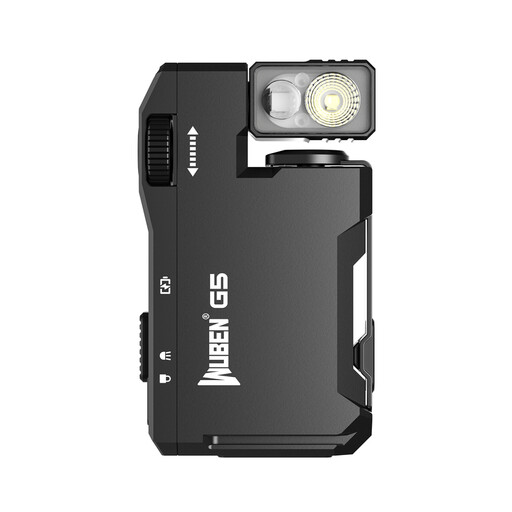
Why this product suits this profile: Campers, walkers and tradespeople get a compact, rechargeable torch for changing outdoor and emergency situations.
The product specifications state not only the brightness, but also six lighting modes, a range of up to 93 metres and an IP68 rating.
USB-C charging, aluminium alloy construction, up to 1,200 lumens and an IP68 rating; the charging port must be dry before charging.
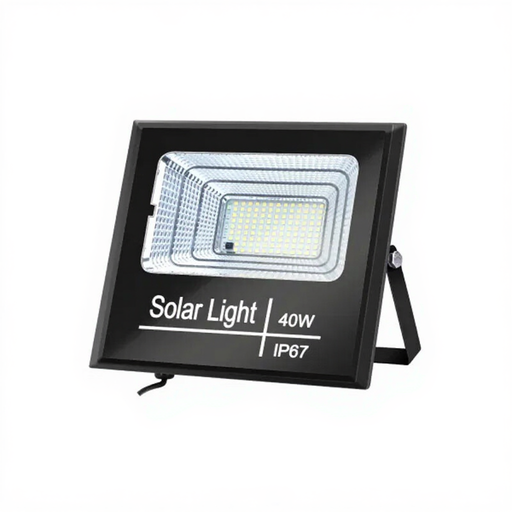
Why this product suits this profile: For garden owners and tenants in locations without a mains connection, a solar floodlight can be a flexible alternative to a hard-wired outdoor light.
The separate solar panel allows more flexible positioning. Before buying, check the path of the sun, cable length and the specific IP rating in the product details.
40-watt rating, 10,000 mAh battery and separate solar panel; the description states up to twelve hours of illumination.
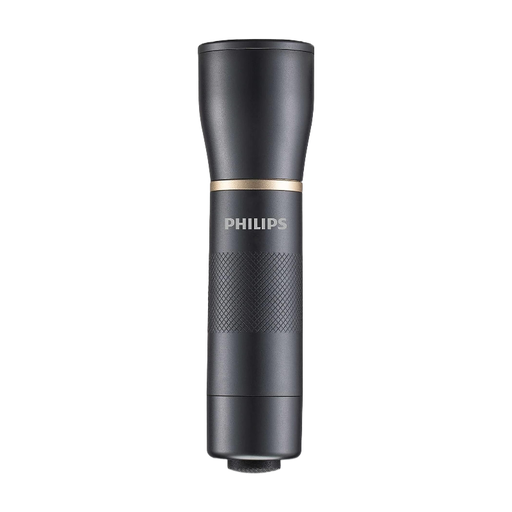
Why this product suits this profile: For use in the car, around the home, in the cellar and for occasional outdoor tasks, this simple battery-powered torch is designed for one-button operation.
The IPX4 rating indicates protection against splashing water, not immersion. This gives a clearer definition of the suitable applications than blanket claims of weather resistance.
120 lumens, stated range of up to 140 metres, aluminium housing and three AAA batteries included.
We have put together a complete, regularly updated list of products that fully meet these strict selection criteria and the safety regulations applicable in the EU.
When installing your light, plan for the mounting surface, cable routing and future maintenance. If you are unsure, mains-powered lights should be installed by a qualified electrician. Never look directly into a switched-on LED, and do not point powerful spotlights at the eye level of neighbours or people passing by.
Regular checks can help extend the service life:
For many sheltered outdoor areas, IP65 is a common guideline. Products with IP66 may be suitable for harsher weather or particularly exposed installation locations. IP68 is intended for devices specifically rated for it, but it does not automatically mean that every connection point may be operated permanently under water.
The cost depends on the power rating, daily operating time and electricity tariff. A simple calculation is: wattage divided by 1,000, multiplied by the operating hours and the price per kilowatt-hour. Solar lights do not require mains electricity, but their lighting duration depends on the charged battery capacity and the available light conditions.
For a garage that needs to be illuminated continuously, a permanently mounted LED floodlight or LED outdoor spotlight is suitable, provided the connection and installation are appropriate. An LED torch is more flexible and can be used immediately without installation. For occasional tasks, a portable light may therefore be sufficient, while fixed security lighting provides more even coverage across the entire room.