
Lieferung heute & morgen

Qualitätsgarantie

Willkommens-Angebote freischalten: KOSTENLOSE Lieferung | Bis zu 80 % RABATT | Kostenlose 30-Tage-JoyPlus-Testphase
App herunterladen
The right LED outdoor lighting should reliably illuminate paths, entrances, garages or terraces. In practice, unclear information on brightness, IP rating and power supply often leads to buying the wrong thing. A light can look weatherproof in product photos yet be unsuitable for where you plan to mount it. And a motion sensor is no substitute for thoughtful positioning or a safe electrical installation.
Wattage mainly describes power consumption, not actual brightness. For choosing an LED outdoor light, the luminous flux in lumens is more meaningful. A light with 300 lm is better suited to a small entrance area or a terrace, whereas a driveway or larger courtyard may require more light output.
With torches, beam distance also comes into play. A high lumen figure does not automatically mean the beam is even or reaches especially far. Always check whether the manufacturer quotes beam distance alongside brightness.
The IP rating consists of two digits. The first describes protection against solid foreign objects and dust, the second against water. IP44 stands, for example, for protection against solid objects from 1 mm as well as splashing water from various directions. An IP44 light is therefore not intended for immersion in water or for a permanently exposed spot with standing water.
For more demanding areas, higher ratings can be sensible. The exact mounting position is still crucial: seals, cable entries and correct fixing must follow the instructions in the manual.
Permanently wired lights need a suitable mains cable and must be professionally installed in Germany. An LED outdoor wall light with 220–240 V is not automatically intended for DIY installation. Work on the electrical system belongs in the hands of a qualified electrician.
For rented flats, sheds without a power connection or flexible locations, rechargeable, battery or solar options make sense. For outdoor lighting with a sensor, also check whether the sensor only detects motion or also has a dusk function.
An LED outdoor light with an integrated light source is low-maintenance, but on some models the LED unit cannot be replaced. With lights that take a replaceable bulb, you stay more flexible on colour temperature and future spares.
An outdoor light with a motion sensor should be mounted so the detection zone isn’t constantly triggered by bushes, doors or passing vehicles. Where stated, pay attention to detection angle, range and run-on time.
A sensor can improve convenience and orientation, but it’s not a full replacement for a permanently switched-on base light. For front doors, a combination of moderate background brightness and demand-controlled additional lighting is often sensible.
Aluminium housings can be robust and corrosion-resistant; glass covers must be securely fixed and show no visible damage. With a permanently installed LED outdoor wall light, mounting clearance, wall condition, screws and cable routing are part of the purchase decision.
Also note the mains voltage. The LUTEC Twin-Spotlight in the supplied product description is specified as 120 V, 60 Hz and therefore does not readily match the German 220–240 V mains. Always compare the technical data with your existing installation before buying.
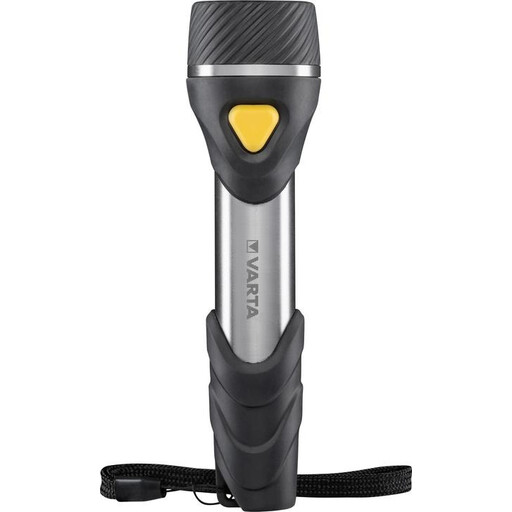
Why this product suits the profile: The battery-powered LED torch is ideal for power cuts, cellars, camping and short trips around the house, with no installation effort.
The specs state 40 lm, up to 29 m beam distance, up to 62 hours’ battery life and two AA batteries included. That makes key purchase data easy to verify.
Robust aluminium, plastic and rubber body; non-slip grip and wrist strap.
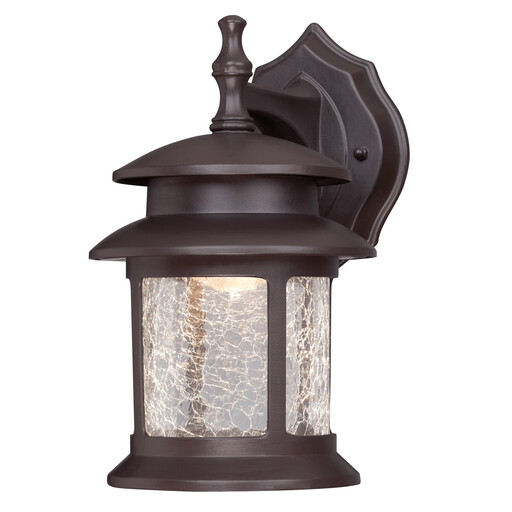
Why this product suits the profile: For front doors, terraces and external walls, this hard-wired light pairs a defined colour temperature with a classic housing design.
The product data lists 220–240 V, 50 Hz, IP44, 9 W, 3,000 K and 1,000 lm luminous flux from the light source. That makes it easier to match to the mounting location.
Dimmable integrated LED module; aluminium housing with clear crackle glass cover.
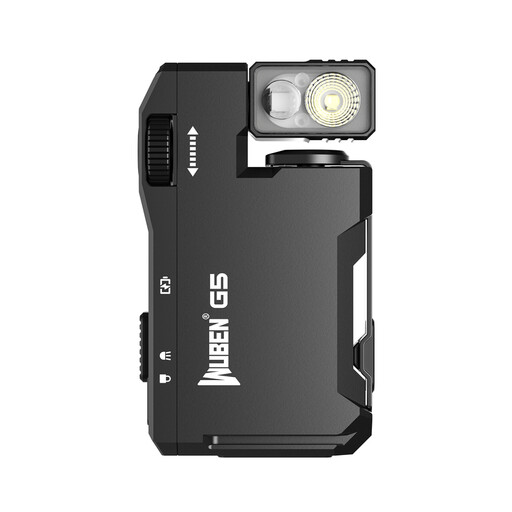
Why this product suits the profile: For camping, hiking, night work and emergency kits, the rechargeable torch offers several operating modes and a compact form factor.
Alongside the stated up to 1,200 lm, it lists six light modes, USB-C charging, up to 93 m beam distance and IP68. Ensure the charging port is dry before charging.
Aluminium alloy; USB-C rechargeable battery and a stated IP68 rating against dust and water ingress.
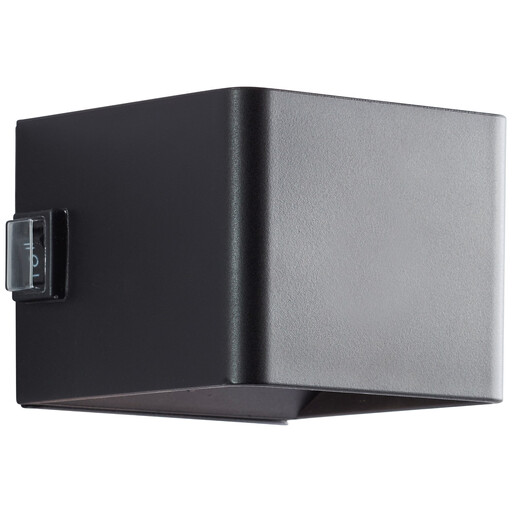
Why this product suits the profile: The portable light can be charged via USB and attached to suitable metal surfaces using a magnet. This is practical for rented homes, terraces and entrances.
With 300 lm, 3,000 K, an integrated battery, motion sensor and IP44, the essential operating limits are clearly stated. The light must not be immersed in water.
Rocker switch for manual operation; magnetic mounting and USB cable.
We’ve put together a complete, continually updated list of products that fully meet these strict selection criteria and the safety regulations in the EU.
IP44 is often used for partially sheltered outdoor areas. This rating protects against splashing water, but not against immersion or standing water. For exposed areas you should consider a higher rating and observe the manufacturer’s guidance on installation.
Running costs depend on wattage, daily operating time and your electricity tariff. A 10 W light used for five hours per day consumes 0.05 kWh per day in theory. With an outdoor light with a motion sensor, consumption can fall if it only switches on when movement is detected.
That depends on the IP rating and the location. A waterproof LED torch with a higher IP classification is designed for changeable weather conditions differently from a decorative light with IP44. With rechargeable and battery products you should also check charge level, battery type, sensitivity to frost and safe storage. Depending on the location, solar and battery outdoor lighting can also be suitable for the garden, balcony and terrace.