What should you look for when buying?
First decide whether you want to film a single component or the whole work surface. Then check reflections, the camera view, mounting and power in your planned setup.
| What to consider |
What to check before buying |
Who should consider it? |
| Reflections and shadows |
Test the light angle and diffuser on the item you’re filming; include glass, metal and your hands in a test recording. |
If you’re filming reflective parts, you’ll need adjustable light angles without the light getting in the way. Around 36% of consumers put control of reflections first. |
| Coverage and detail |
Decide how much of the area you’ll be filming; check that your hands, tools and components are all visible in the shot. |
If you want to show your tools and hands as well as the small part, lighting the whole work surface matters. Around 29% of consumers prioritise visibility of details and hand movements. |
| Colour and video |
Check the colour temperature range of the exact model and record a test clip using your planned frame rate, shutter speed and brightness setting. |
If you need consistent white light and smooth-looking video, test the light with your camera settings. Around 21% of consumers focus on video consistency. |
| Space, mounting and power |
Check that the mount suits your setup, and confirm separately whether you need a power adapter, stand or batteries. |
If desk space is limited, the light, mount and power supply all need to suit your setup without blocking the work surface. Around 14% of consumers prioritise space, mounting and power requirements. |
Joybuy lights for video and product photography
The Joybuy lights below are suitable for video and product photography. Not all of them are LED panels: some are compact camera lights, one is a COB studio light and one is a handheld light wand.
 No image available
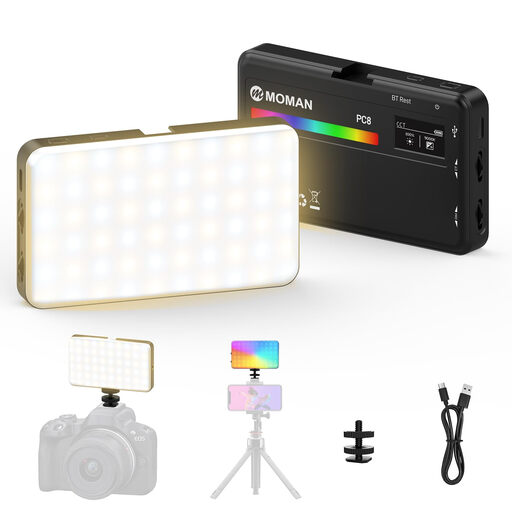
MOMAN PC8 RGB camera light
This portable light works well as a flexible fill light for video and product photography.
Colour temperature: 2500–9000 K; brightness: 0–100%; built-in battery; cold-shoe and 1/4-inch mounts.
View at Joybuy
 No image available
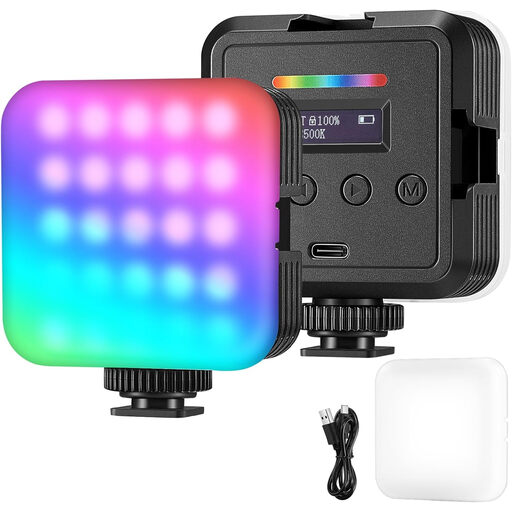
RGB LED camera light for photography and video
The listed lighting modes and portable design may suit flexible photography and video setups.
RGB, white and warm light modes; adjustable brightness and colour temperature; battery or USB power.
View at Joybuy
 No image available
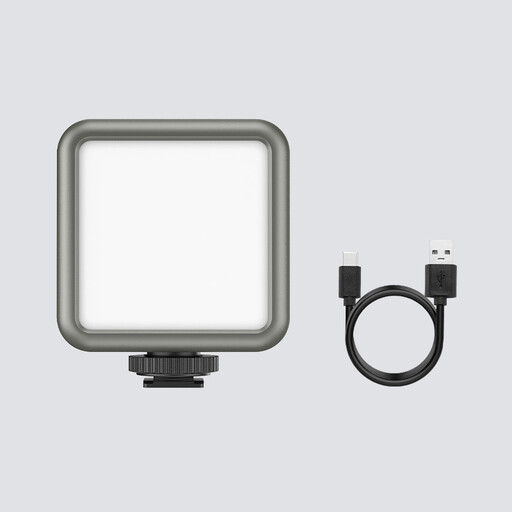
ULANZI VL49 LED video light
This compact light is designed for macro and product photography and is easy to position.
Colour temperature: 2500–9500 K; battery: 2000 mAh; magnets on the back.
View at Joybuy
 No image available
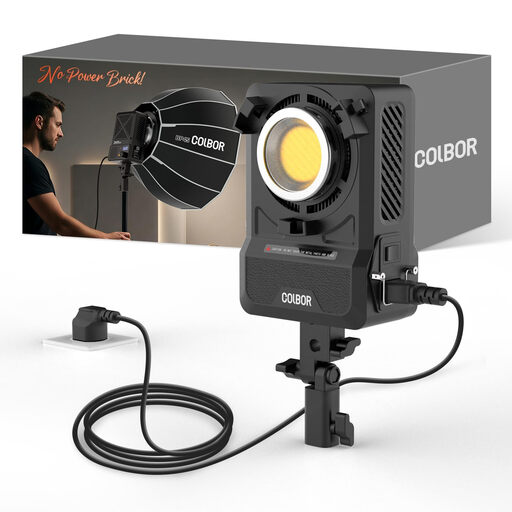
COLBOR 200W COB studio light
This studio light uses COB technology rather than an LED panel, so it isn’t the panel-style light you’re looking for.
200 W; bi-colour: 2700–7000 K; built-in power supply; Bowens mount.
View at Joybuy
 No image available
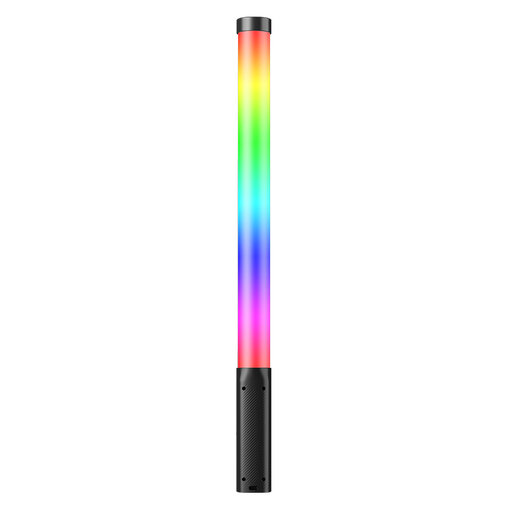
Ulanzi VL119 handheld RGB light wand
This handheld light wand is a portable alternative, but it isn’t an LED panel.
10 W; colour temperature: 2500–9000 K; built-in battery: 3300 mAh; stated illuminance: 360 lux at 0.5 m.
View at Joybuy
Frequently asked questions
How can I position the panel without casting a shadow over the repair area with my hand?
Position the light to one side of your working direction and check both the illuminated area and any reflections on glass and metal in the camera view. If shadows are harsh, a suitable diffuser may help; its effect depends on your particular setup.
Does a high CRI rating mean my video won’t flicker?
No. Test the light with your camera at your planned frame rate, shutter speed and brightness setting. Nikon explains that visible flicker can result from the interaction between camera settings and lighting.
What extra parts do I need to buy for mains or battery power?
It depends on the model and the version on offer. NEEWER lists a power adapter as included with the NL660, but not NP-F batteries; a stand is included only with the relevant version. Godox also lists a power adapter for the LEDP260C and says that NP-F970 batteries need to be bought separately.
What do CE marking and disposal requirements mean in Germany?
According to Your Europe, CE marking is required for products covered by harmonised EU rules that require it. It is a declaration by the manufacturer, not an independent quality mark. The German Environment Agency says that waste electrical equipment must not go in household rubbish; removable batteries should be disposed of separately.
What are my options if the light isn’t suitable for my repair bench after buying it online?
The Verbraucherzentrale says that, for online orders, you generally have 14 days from delivery to notify the seller that you’re cancelling the purchase. Your statutory rights against the seller and a voluntary guarantee are separate entitlements; also check the specific returns conditions.


