What should you look for when buying?
Choose based on test shots of the actual painting: digitalkamera.de describes visible LED points on reflective surfaces and the loss of light caused by stronger diffusion. Canon Europe explains that the colour of window light can change, while Sony lists banding as a potential recording issue.
| What to consider |
What to check before buying |
Who it matters most to |
| Reflections and LED points |
Check whether you can adjust the angle and distance, and whether a diffuser or light modifier will suit your setup. |
If you’re filming glossy areas of paint, you’ll want to control reflections through positioning and diffusion. Around 33% of consumers put reflection control first. |
| Colour consistency |
Compare the colour temperature range and dimming options with the window light you expect to use and your camera settings. |
If the window light changes, you’ll want to match the colour of the light and check the white balance for your shot. Around 27% of consumers prioritise the most consistent colour reproduction possible. |
| Flicker or banding |
Record a test clip using your planned frame rate, exposure time and dimming level, then check it for stripes or changes in brightness. |
If you’re recording longer videos, you’ll want to rule out visible stripes using the settings you’ll actually use. Around 20% of consumers put trouble-free video recording first. |
| Setup and power supply |
Check that the included items, power source, mounting and space requirements suit your filming location. |
If you have limited space or film in different locations, you’ll need a power supply and mounting option that suit your setup. Around 20% of consumers pay particular attention to ease of setup. |
Joybuy products for close-up shots
These compact camera and video lights are worth considering for close-up shots. With each design, check that you can position it appropriately in relation to the painting.
 No image available
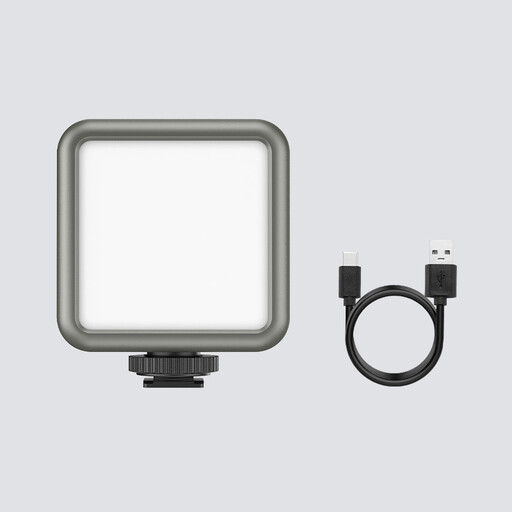
ULANZI VL49 LED video light
For small details in a painting, if you’re looking for a compact, dimmable light with adjustable colour temperature.
Built-in 2000-mAh battery; colour temperature 2500K–9500K.
View at Joybuy
 No image available
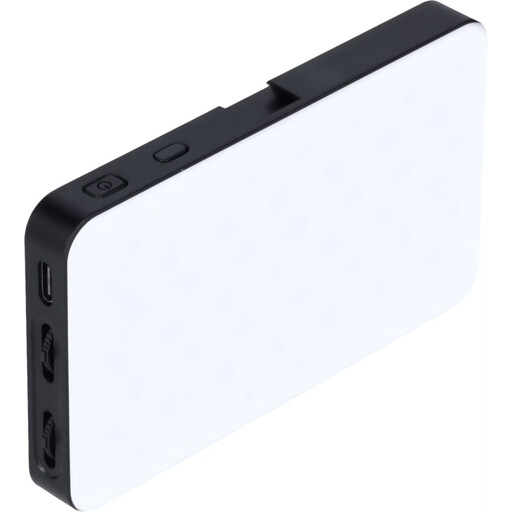
Rollei LUX Compact RGB LED Light, 8 W
A compact RGB and Bi-Color light for photography and video; check how it illuminates the painting in a test shot.
8 W; 360 colours; app control.
View at Joybuy
 No image available
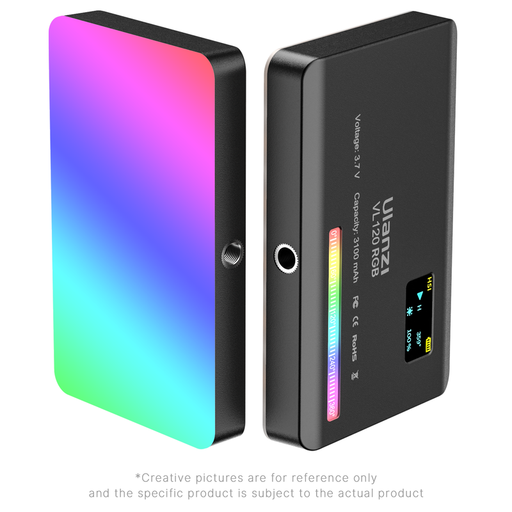
Ulanzi VL120RGB LED light, black
An RGB video light worth considering for close-up shots. Use a test shot to check whether you can control the light angle and reflections on the painting as needed.
View at Joybuy
 No image available
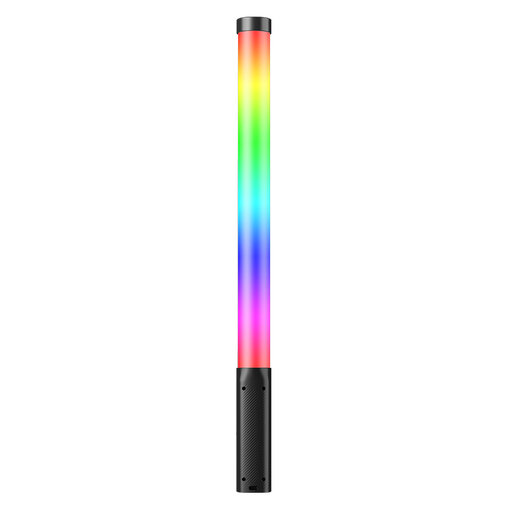
Ulanzi VL119 handheld video light, 10 W
This light is described as a handheld light stick rather than a panel. It’s therefore only suitable if a light stick works with your filming setup.
10 W; built-in 3300-mAh battery; 2500K–9000K; 360° RGB; 360 lx at 0,5 m.
View at Joybuy
Frequently asked questions
Does the panel need to point directly at the painting?
No. Start by positioning it to the side and recording a short test shot of the glossy area; check whether individual LEDs are reflected. A diffuser can soften visible points of light, but it can also reduce the amount of light. The test cited by digitalkamera.de covered one particular Rollei model, not every LED panel.
Why do the colours look different even with an adjustable colour temperature?
The colour of window light changes with the conditions. Canon Europe notes that natural light can look warmer or cooler depending on the situation. So don’t just adjust the panel: also check the camera’s white balance under the light that’s actually falling on the painting.
What can I do if stripes appear in my video?
Try other exposure times available on your camera or anti-flicker settings, then check the recording again. Sony describes LED lighting as a possible cause of banding; the setting that helps will depend on your camera and lighting conditions.
What should I check about the power supply and accessories?
Check the contents of the specific option against your setup. NEEWER lists NP-F batteries as not included with the NL660; Rollei also describes batteries for the LUMIS panel as optional. Also check that the mounting and power supply you need are suitable for your filming location.
What should I look out for regarding product safety in Germany?
According to Your Europe, CE marking is required for products covered by the relevant harmonised EU rules; it is not a quality mark awarded by a central EU body. The Bundesnetzagentur lists marking, product identification, and German-language instructions and warnings among the checks it carries out on electrical lighting products. This does not confirm that any specific model or offer complies.


