What to consider when buying
For glossy subjects, start by considering the light’s position and spread. Then decide how much room you have for the panel, mount and camera. Adjustable white light, a fixed camera white balance and test shots can help you achieve consistent colours. Nikon USA covers diffusion in jewellery photography, while Canon Europe explains white balance and how it helps you achieve the colour reproduction you want.
| Consideration |
What to look for when buying |
Who will find this most important |
| Reflections and detail |
Look for a panel or diffuser that you can move to the side and dim; test it with a pendant from the camera angle you plan to use. |
When I photograph glossy pendants, I want to minimise distracting reflections without losing visible detail. Around 36% of consumers put reflection control first. |
| Consistent colours |
Check the white-light range of the specific model and photograph a colour or neutral reference under the light you plan to use. |
To keep my resin colours consistent across several images, I look for controllable white light and adjust the camera’s white balance. Around 29% of consumers prioritise colour reproduction. |
| Space and positioning |
Measure the available surface area and clearance; check the mounting options and possible light angles alongside your camera. |
If the table is small, I need to be able to position the light alongside the camera and subject. Around 21% of consumers focus on the space available on their photo table. |
| Power and what’s included |
Check the contents list for your chosen version against the stand, power supply, batteries and charger you already have. |
To get a setup ready to use, I want to know whether the power supply and required accessories are suitable for the version I’ve chosen. Around 14% of consumers focus mainly on power and what’s included. |
Joybuy products
The following products include foldable lights, photo boxes and a ring light, rather than standalone LED panels. They may therefore be a better fit if you’re looking for a light box or another compact lighting solution instead of a separately positionable panel.
 No image available
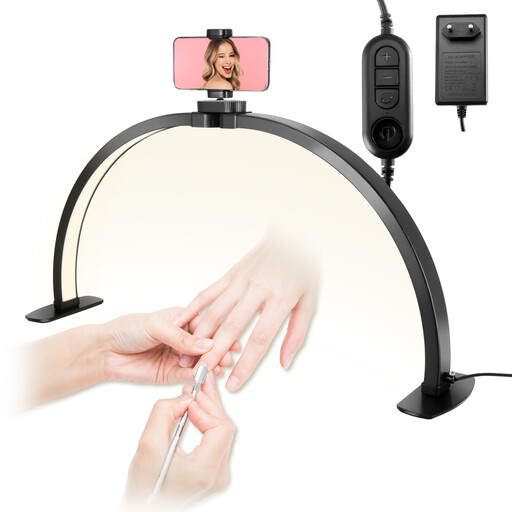
Foldable 30-inch LED light with phone holder
A potential option for tabletop lighting if you’re looking for a foldable work light rather than a separate LED panel; the product description also mentions tabletop still-life photography.
The description lists three colour temperatures from 3000–6000 K, ten brightness levels and a rotating phone holder.
View at Joybuy
 No image available
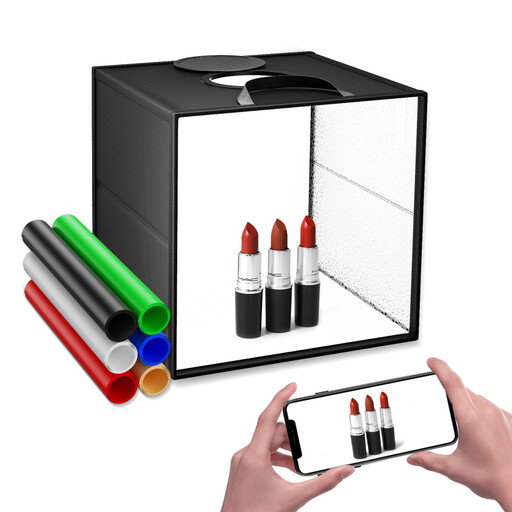
Foldable 30 cm photo light with 120 LEDs
This photo box is described as suitable for small subjects such as jewellery; it gives you an enclosed shooting space rather than a freely positionable panel.
Features listed include three colour temperatures, nine dimming levels and six coloured backgrounds.
View at Joybuy
 No image available
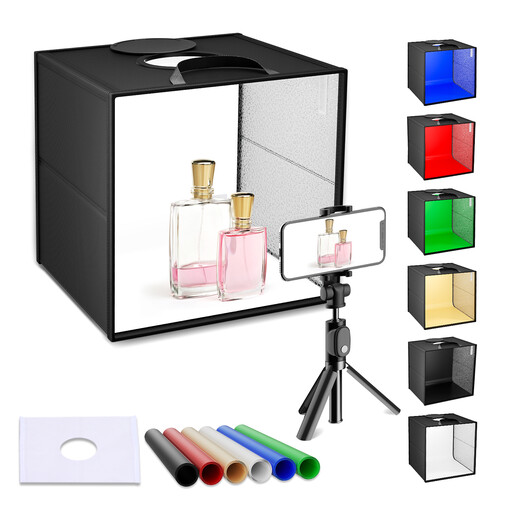
Foldable LED photo box with coloured backgrounds
A photo box for product photography if you prefer integrated lighting and diffusion to a separately positioned panel.
The description lists 120 LEDs, three light colours, adjustable colour temperature, stepless dimming, a diffuser cloth, and openings for shooting from the front and above.
View at Joybuy
 No image available
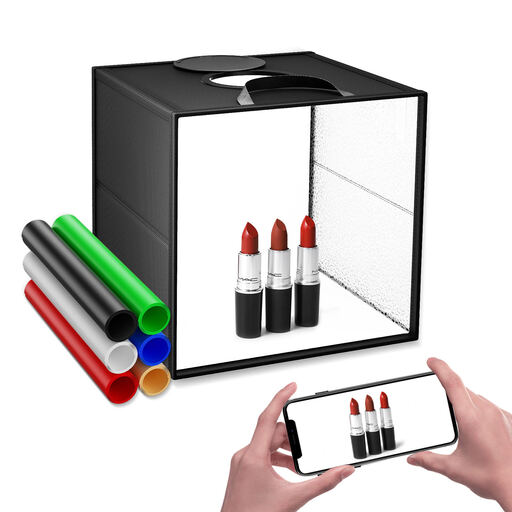
Foldable 40 cm photo box with 120 LEDs
This photo box is described as suitable for product photography where space is limited. Check that it fits on your table and that its enclosed lighting suits your subject.
Features listed include three colour temperature modes, nine dimming levels, six backgrounds, and openings at the front and top.
View at Joybuy
 No image available
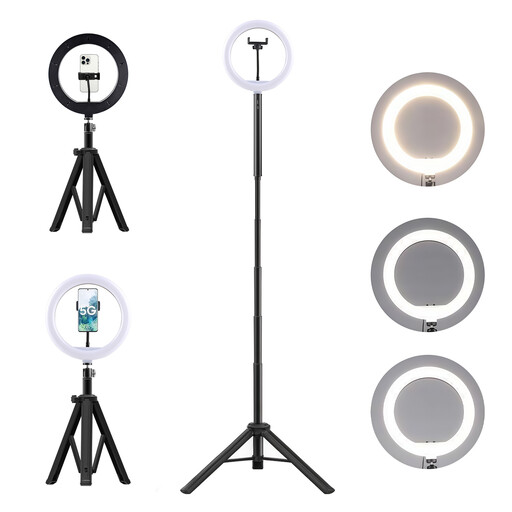
10-inch ring light with stand and power bank
An alternative for a phone or camera setup if a ring light suits your needs; it isn’t an LED panel, and the description also highlights streaming and selfies.
Features listed include ten brightness levels, three colour temperature modes, a stand and a phone holder. The product title specifies a 10,000 mAh power bank.
View at Joybuy
Frequently asked questions
Is a high CRI rating enough to ensure accurate colours in photos of my resin pendants?
No. A CRI rating alone can’t guarantee accurate colours in your photos. The CRI figures for the models mentioned come from their manufacturers. Set your camera’s white balance under the artificial light you’ll actually use, then check the colours in a reference shot.
What can I do if bright reflections obscure details?
First, move the light in relation to the camera and pendant, then try adding diffusion, for example with a suitable diffuser or light tent. Check your test photo to make sure the subject’s details and the glossy outline you want are still visible.
What should I check about the stand, power supply and accessories?
Compare the contents list for the specific version with your photo table and the accessories you already have. The NEEWER NL660 versions differ in whether they include a stand; according to the manufacturer, NP-F batteries aren’t included. Rollei also states that batteries aren’t included with the LUMIS Panel 600 RGB.
What are my rights in Germany if an item is faulty or I want to cancel an online purchase?
For a consumer purchase, the statutory rights you have against the seller are separate from any voluntary guarantee. The Verbraucherzentrale explains that online contracts generally come with a 14-day right to cancel, starting from the day you receive the goods; exceptions and the circumstances of your specific purchase should also be taken into account.
Is CE marking required on every accessory sold?
No, CE marking isn’t required for every product across the board. According to information from the European Union, it applies to products covered by relevant harmonised rules that require the marking. The mark is the manufacturer’s declaration, not certification from a central EU testing body; the rules for the specific device or accessory apply.


