
Lieferung heute & morgen

Qualitätsgarantie

Willkommens-Angebote freischalten: KOSTENLOSE Lieferung | Bis zu 80 % RABATT | Kostenlose 30-Tage-JoyPlus-Testphase
App herunterladen
Whether you are working from home, studying, gaming or spending time in the garden, LED products for home and office vary considerably in terms of light quality, connectivity, brightness and intended use. Marketing terms such as “eye protection”, “High Dynamic Range” and “solar-powered” may sound convincing, but on their own they reveal little about how suitable a product is for everyday use.
The most common disappointing purchases result from three typical pitfalls:
A sensible initial selection should therefore consider the intended purpose first, technical specifications second and design last.
For monitors, brightness is specified in candela per square metre (cd/m²) or nits. For an indoor workstation, for example, 250 to 300 cd/m² is often sufficient, while HDR monitors can achieve considerably higher peak values. However, a high maximum brightness is no substitute for suitable room lighting and can cause glare if set incorrectly.
For lamps, the lux rating is more important. It describes how much light actually reaches a surface. With a daylight lamp rated at 10,000 lux, you should therefore always check the distance at which this value applies. For the Beurer TL 30, “up to 10,000 lux” is specified at a distance of around 10 cm. The TL 35 gives this figure at approximately 15 cm. The two specifications cannot be compared directly without taking this into account.
Colour temperature is measured in Kelvin:
A flicker-free LED lamp may be more comfortable during extended use. However, “flicker-free” should be stated as a specific product feature or certification, rather than being based solely on a marketing slogan. A UV-free lamp is a particularly useful, verifiable selection criterion for devices that provide daylight-like illumination. This does not, however, allow any medical or therapeutic effects to be inferred.
A 24-inch monitor with Full HD resolution takes up little space and is often suitable for office work, studying and general applications. A 25-inch monitor provides a little more screen space while remaining compact. At 27 inches and above, a higher resolution such as WQHD may be advisable so that text and icons are displayed with sufficient sharpness.
The most important combinations are:
Response time should also be considered in context. Manufacturer specifications such as 1 ms or 5 ms can vary depending on the measuring method. In practice, Adaptive Sync, DisplayPort, HDMI and the native resolution are also relevant.
For outdoor use, the IP rating is crucial. Solar garden lights with IP44 protection are safeguarded against solid foreign objects and splashing water from certain directions, but are not designed to be immersed in water. The solar panel needs direct sunlight; operating time decreases considerably in the shade.
For indoor lights, you should take the power supply, cable and ventilation into account. Monitors must not be placed on unstable surfaces, and with VESA mounting, the bracket and wall must be able to support the weight of the device. Decorative products such as flameless LED candles are not automatically suitable for outdoor use. The SALCAR product is explicitly described as not being waterproof.
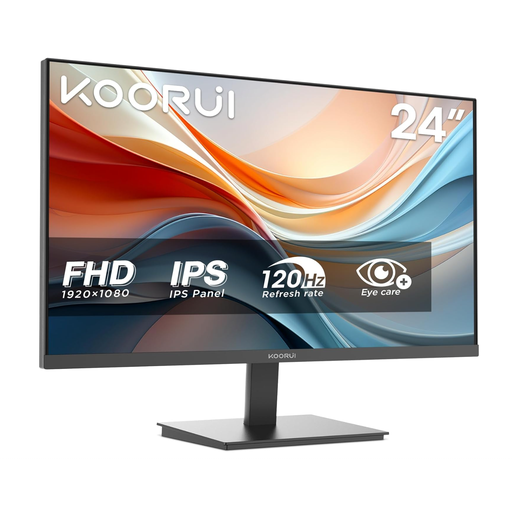
Why this product suits the profile: This compact Full HD monitor is designed for office work, studying and occasional gaming, without requiring particularly powerful hardware.
The specifications clearly state native FHD resolution, 120 Hz, 5 ms, HDMI and VGA. This allows you to check compatibility before buying.
IPS panel with a 178° viewing angle, 99% sRGB, VESA 100 × 100 mm, plus Flicker-Free and Low Blue Light modes.
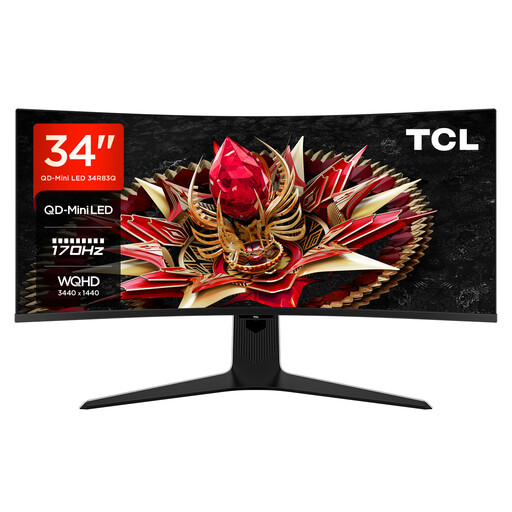
Why this product suits the profile: The 21:9 format is aimed at users planning a wide workspace or a more immersive gaming setup with a high refresh rate.
The specifications for 3,440 × 1,440 pixels, 170 Hz, DisplayPort and FreeSync make the graphics card requirements and space needed clear.
Mini-LED backlighting, 1,152 dimming zones according to the product specifications, 1,600 nits peak brightness and a 1 ms response time.
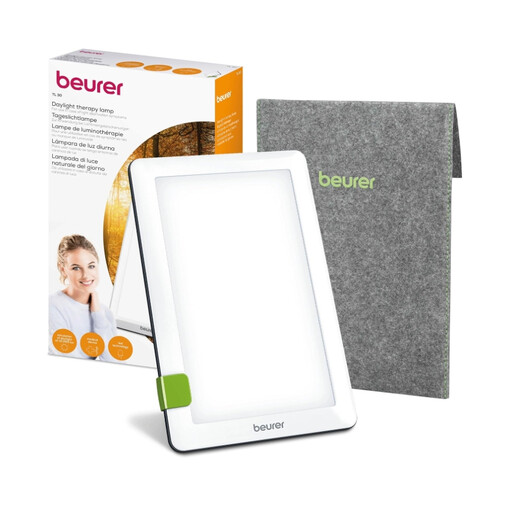
Why this product suits the profile: For workspaces with little natural light, this compact device provides clearly defined positioning options at home, in the office or while travelling.
The lux rating is linked to a specific distance. The product also specifies UV-free and flicker-free LED technology, along with its intended indoor use.
Up to 10,000 lux at approximately 10 cm, a colour temperature of around 6,500 K and an adjustable stand for horizontal or vertical positioning.
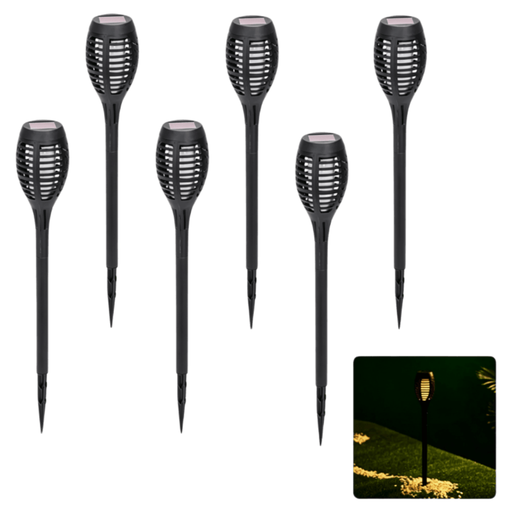
Why this product suits the profile: The set of 6 is suitable for paths, patios, lawns and garden areas where cordless decorative lighting is required.
The charging time of around 4 to 6 hours, stated operating time of 8 to 12 hours and IP44 rating help set realistic expectations.
Warm white light at 2,700 K, integrated Ni-MH battery, automatic operation and a weather-resistant housing in accordance with IP44.
We have put together a complete, regularly updated list of products that fully meet these strict selection criteria and the safety regulations applicable in the EU.
The cost depends on wattage, daily usage time and your electricity tariff. The simple calculation is: Wattage ÷ 1,000 × operating hours × electricity price. Solar garden lights do not incur direct mains electricity costs during operation, although their performance depends on sunlight, battery charge and outdoor temperature.
“Flicker-free” describes the temporal stability of the light output, not every characteristic of the lamp. Brightness, glare, distance, reflections and colour temperature also affect comfort during use. On monitors, Flicker-Free and Low Blue Light settings can be used. If you experience discomfort or have an existing eye condition, you should seek medical advice about using the product.
The lux rating applies only at the distance specified by the manufacturer. The lamp should be positioned securely and not looked at directly. Users with light-sensitive conditions or taking relevant medication should seek medical advice before use. A daylight lamp is not a substitute for medical treatment.