
Lieferung heute & morgen

Qualitätsgarantie

Willkommens-Angebote freischalten: KOSTENLOSE Lieferung | Bis zu 80 % RABATT | Kostenlose 30-Tage-JoyPlus-Testphase
App herunterladen
LED spotlights are suitable for living rooms, bathrooms, kitchens, outdoor areas, workshops and vehicles. The choice ranges from LED recessed spotlights and LED ceiling spotlights to portable LED work lights and smart home bulbs. However, the wide variety of models often leads to the wrong purchase.
With an LED recessed spotlight, the visible diameter isn’t the only measurement that matters. The key measurement is the ceiling cut-out size. For example, a model with an outer diameter of 145 mm may require a cut-out of 115 to 135 mm. Other LED ceiling spotlights are designed for cut-outs of 90 to 100 mm or 145 to 160 mm.
Before buying, measure:
An especially slim LED spotlight won’t automatically fit every ceiling. Spring clips also need enough space behind the ceiling lining.
Wattage describes power consumption, not brightness. Luminous flux in lumens is a more useful way to compare brightness. A 9-watt model with 690 lumens will give a different level of light from a 10-watt LED spotlight with 1,050 lumens.
Colour temperature matters too:
A 3CCT LED bulb or 3CCT LED spotlight lets you choose between several colour temperatures directly on the fitting. You won’t have this option with a fixed colour temperature.
An IP44 LED spotlight is protected against solid objects and splashing water from different directions. This may be suitable for many bathroom, kitchen and balcony areas, but it doesn’t protect against direct water jets.
An IP65 LED spotlight offers greater protection against dust as well as protection against water jets. However, the specific installation location must still comply with the manufacturer’s instructions and electrical regulations. For outdoor use, you’ll also need to consider the cable, connection box and mounting position.
An integrated LED module allows for a slim design. With a GU10 LED spotlight, on the other hand, you can replace the bulb. This can be useful when renovating if you want to keep existing fittings.
Check that:
Some smart LED spotlights can only be dimmed via an app or voice assistant. For example, the Aigostar model with Bluetooth Mesh specifically states that a conventional wall dimmer shouldn’t be used.
Dimmable LED spotlights let you adjust the brightness for different activities. However, check whether a trailing-edge dimmer is required and whether it’s compatible with the specific model. With smart products, brightness, RGB colours and colour temperature are often controlled via an app, Bluetooth Mesh or Wi-Fi.
Aluminium housings can help dissipate heat. Models made from PBT plastic or polycarbonate, on the other hand, are often lightweight and suitable for slim designs. You still need to follow the installation instructions: LED lights must not be covered with insulation if this could trap heat.
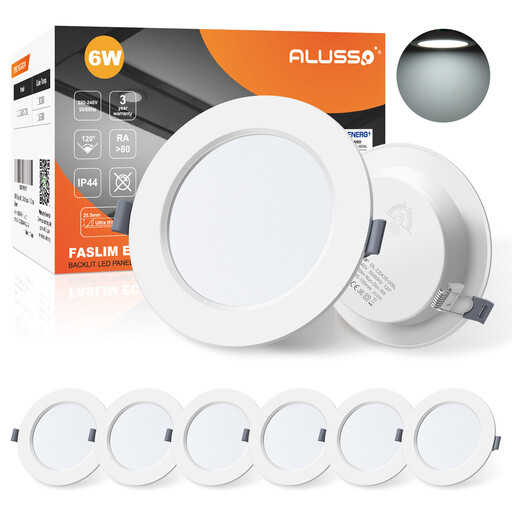
Why this product suits this type of buyer: This set of six slim recessed spotlights is designed for indoor spaces with limited installation depth and runs on 230 volts.
The stated cut-out size of 95–110 mm and installation depth of 25.5 mm make it easier to check suitability before buying. The colour temperature is fixed at 6500 K.
6 W, 430 lm, IP44 and a direct 220–240-volt supply; not dimmable.
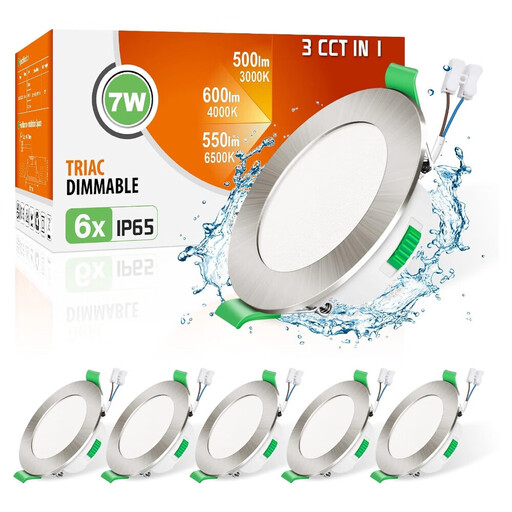
Why this product suits this type of buyer: Aluminium, polycarbonate, a 3CCT setting and an IP65 rating appeal to buyers looking for technical performance paired with a robust housing.
The IP65 rating is clearly stated. The product details also specify a cut-out size of 67–75 mm and dimming from 10 to 100 per cent.
7 W, 500/550/600 lm, 3000/4000/6500 K and six lights per pack.
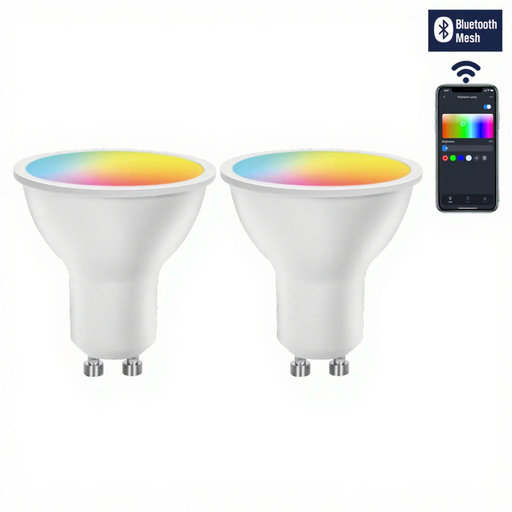
Why this product suits this type of buyer: This GU10 LED spotlight is designed for indoor use and can be controlled via the AIGOSMART app, Bluetooth Mesh, Alexa and Google Assistant.
The control method is clearly explained: adjust brightness from 1 to 100 per cent via the app or voice assistant, not with a conventional wall dimmer.
RGB plus 2700–6500 K, GU10 fitting, 6,5 W and IP20 for dry indoor spaces.
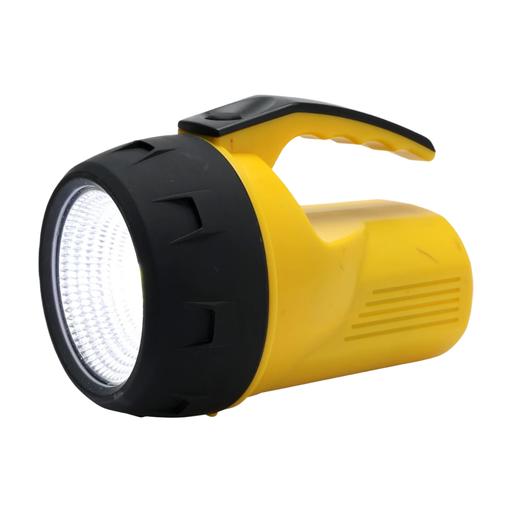
Why this product suits this type of buyer: This battery-powered LED work light is suitable for workshops, building sites and emergency lighting when there’s no mains connection available.
It runs on four AA batteries, which aren’t included. This makes it easier to plan for how you’ll use it, including the cost of replacement batteries.
COB technology, 180 lm, 12 LED pixels and a weight of 208 g.
We’ve put together a comprehensive, regularly updated list of products that meet these strict selection criteria and fully comply with the safety regulations in force in the EU.
Work on 220–240-volt connections should only be carried out by a qualified electrician. Before installation or maintenance, switch off the power at the circuit breaker. Also check:
Vehicle products such as LED headlight bulbs are subject to additional approval and compatibility requirements. For example, an Osram NIGHT BREAKER LED SPEED H7 may only be used with compatible vehicle models and lighting functions. Before buying, check the latest compatibility list and legal requirements.
The stated lifespan depends on the model and operating conditions. Product specifications may, for example, give a lifespan of 25,000 or 30,000 hours. This is a manufacturer’s figure, not a guarantee for every installation. Good heat dissipation, the correct voltage and proper installation can all help create favourable operating conditions.
Running costs depend mainly on wattage, daily use and your electricity tariff. The simple calculation is: wattage ÷ 1,000 × operating hours × electricity price. A 9-watt LED spotlight uses 0.09 kilowatt hours if it’s on for ten hours. For a fair comparison, you should also consider the luminous flux in lumens and the area you want to light.
It depends on where they’re installed and their IP rating. IP44 may be suitable for areas exposed to splashing water, while IP65 offers greater protection against dust and water jets. IP20 models, such as some smart LED spotlights, are only suitable for dry indoor spaces. Follow the installation zone requirements, manufacturer’s instructions and applicable electrical regulations.