
Lieferung heute & morgen

Qualitätsgarantie

Willkommens-Angebote freischalten: KOSTENLOSE Lieferung | Bis zu 80 % RABATT | Kostenlose 30-Tage-JoyPlus-Testphase
App herunterladen
A well-chosen LED string light can transform a room or garden, creating an inviting atmosphere. But the market is flooded with products whose descriptions often promise more than they deliver. Many buyers get frustrated with string lights that fail after a short time, have an unpleasant light colour, or are unsuitable for their intended location. As your Joybuy Product Recommendation Officer, I'll help you identify the crucial features and avoid common purchasing pitfalls.
Before you decide on a model, you should be aware of the three most common issues that lead to disappointment and unnecessary expense.
To ensure your new decorative lighting meets your expectations, check these three core features before purchasing.
The choice of power source determines the flexibility and location of your string lights.
The IP (Ingress Protection) rating indicates how well an electrical device is protected against the ingress of foreign objects and water.
Modern LED string lights offer more than just on and off. These features significantly increase comfort and versatility.
Here are some recommendations tailored to specific needs and usage scenarios.
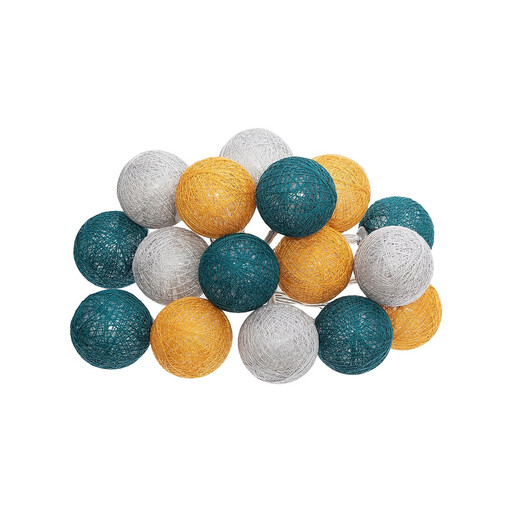
Why it's a great fit: Perfect for anyone who wants to add accents quickly and easily. Ideal for shelves, vases, or as table decor without worrying about power outlets.
The clear designation as an IP20 product for indoor use prevents incorrect use outdoors. Battery operation makes cable length issues irrelevant.
Maximum flexibility thanks to battery operation; ready for spontaneous decorating ideas instantly.

Why it's a great fit: A safe and child-friendly kids' night light that impresses with its soft material and cute design. Ideal for the bedside table or as a comforting companion at night.
The 3-level dimming function prevents the light from being too harsh. The soft silicone body and battery operation (no cable during use) minimise safety risks in a child's room.
Rechargeable via USB-C, eye-friendly light, and a child-safe, easy-to-grip material.
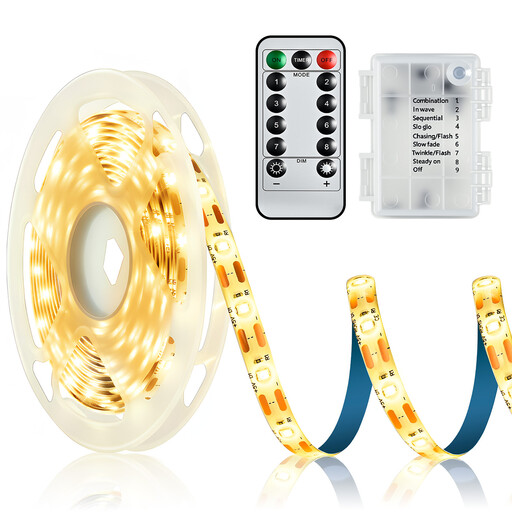
Why it's a great fit: This flexible LED strip is cuttable and self-adhesive, making it perfect for custom lighting projects like TV backlighting, cabinet lighting, or gaming corners.
The ability to cut the strip at marked points solves the problem of incorrect lengths. The remote control with 8 modes and a dimming function gives you full control over the lighting mood.
Cuttable, flexible, and includes a remote for brightness and modes—maximum customisation.
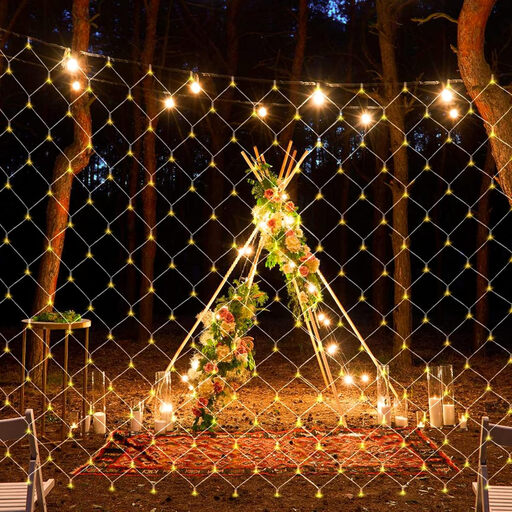
Why it's a great fit: A net light is the easiest solution for evenly illuminating shrubs, hedges, or walls. Ideal for seasonal garden lighting or outdoor parties.
The IP44 rating is clearly declared for outdoor use. The net form solves the problem of trying to cover a large area with a single string.
Quick and easy decoration of large areas; 8 light modes and a memory function for persistent settings.
We have compiled a complete, up-to-date list of products that fully meet these strict selection criteria and German safety regulations.
1. How much electricity does an LED string light use? LED technology is extremely energy-efficient. A typical decorative string light consumes only a few watts. If operated for several hours daily, the electricity costs over an entire year usually amount to only a few euros. Depending on the quality of the batteries and frequency of use, battery-operated models can last for several weeks to months, especially when using the timer function.
2. Can any LED string light be used outdoors? No, absolutely not. Only string lights explicitly labelled for outdoor use are suitable. Look for a protection rating of at least IP44. It is essential to verify that this rating applies to the entire string, including the power supply or battery compartment. Using an indoor string light outdoors is dangerous and can lead to short circuits or electric shocks.
3. What does "warm white" mean for LED string lights? "Warm white" describes a light colour with a higher proportion of yellow and red, which is perceived as cosy and relaxing. The colour temperature is measured in Kelvin (K). A value between 2700 K and 3300 K is considered warm white and resembles the light of a traditional incandescent bulb. In contrast, cool white light (over 5300 K) has a higher blue component and appears more functional and stimulating. For pleasant mood lighting, warm white is usually the better choice.