
Lieferung heute & morgen

Qualitätsgarantie

Willkommens-Angebote freischalten: KOSTENLOSE Lieferung | Bis zu 80 % RABATT | Kostenlose 30-Tage-JoyPlus-Testphase
App herunterladen
LED lighting can add a targeted touch to living spaces, cupboards, balconies and gaming set-ups. However, unclear product specifications can easily lead to the wrong purchase. When choosing LED string lights and LED strips, don’t focus solely on colours and promotional images. Consider where you’ll use them, how they’re powered, their IP rating and how they’ll be installed.
A rating such as IP44 means protection against solid objects and water splashes from different directions. This may be suitable for a covered patio or sheltered balcony, for example. However, the battery box must not be immersed in water.
IP20, on the other hand, is intended for dry indoor spaces. An LED strip 5 m with an IP20 rating shouldn’t be fitted to an exposed exterior wall or left out in the rain. For outdoor use, consider products such as an outdoor solar string light with a clearly stated higher IP rating. Even then, the solar panel must not be submerged.
RGB and RGBIC are not the same:
Multicolour LED lighting doesn’t automatically replace functional room lighting. The right choice depends on the length, brightness, installation location and intended use.
A self-adhesive LED strip will only stick reliably to clean, dry and smooth surfaces. Dust, grease, rough walls or frequent exposure to heat can affect how well it adheres. Avoid sharply bending the strip around corners.
Before buying, also check:
An LED strip 5 m is often a good fit behind a television, along shelves or around the edges of a ceiling. LED density affects how evenly the light appears. The 5050 RGB set mentioned here has 150 LEDs over 5 m, or 30 LEDs per metre. By contrast, an LED light strip measuring 60 cm is designed for individual cupboard compartments, wardrobes or work areas.
Measure the area before ordering, and allow for the power adapter, controller and connecting cable. For a long run, the position of the power adapter may affect installation more than the strip’s length.
Battery-powered models can be used wherever there’s no power socket. Run time depends on the type of battery, light mode and frequency of use. A timer and memory function can make them easier to use.
A rechargeable model with a USB connection is suitable for everyday indoor use, but needs to be charged regularly. A power adapter keeps the strip supplied with power, but you’ll need an accessible socket. Smart products also require app set-up and a network connection.
A motion-sensor LED cupboard light can be useful in a kitchen, cupboard or hallway. The sensor on the 60 cm model described here detects movement up to around 2 m away and switches the light off automatically after about 30 seconds. The stated battery capacity is 2200 mAh, and the charging time is approximately five hours.
For outdoor areas, the IP rating, the position of the power adapter or solar panel, and local weather conditions are all important. An outdoor solar string light needs direct sunlight to charge its battery sufficiently.
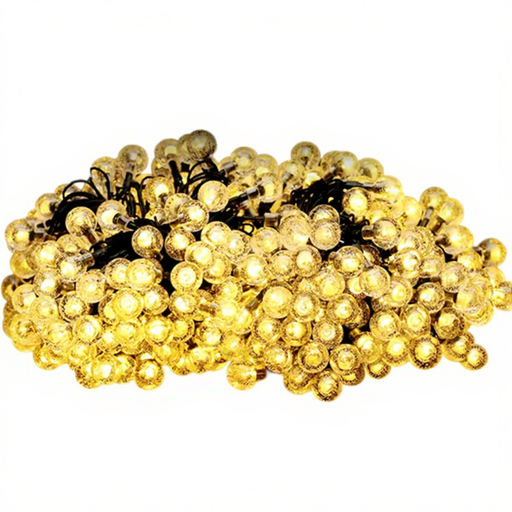
Why it suits this profile: This 5 m battery-powered string light doesn’t need a power socket and has 50 LEDs, eight modes, a timer and a memory function. It’s suitable for decorative use indoors or in sheltered outdoor areas.
The specifications state the power source, length, number of LEDs, timer and IP44 rating. However, the battery box must not be immersed in water.
5 m long, with eight lighting modes, a timer and a memory function; powered by three AA batteries.
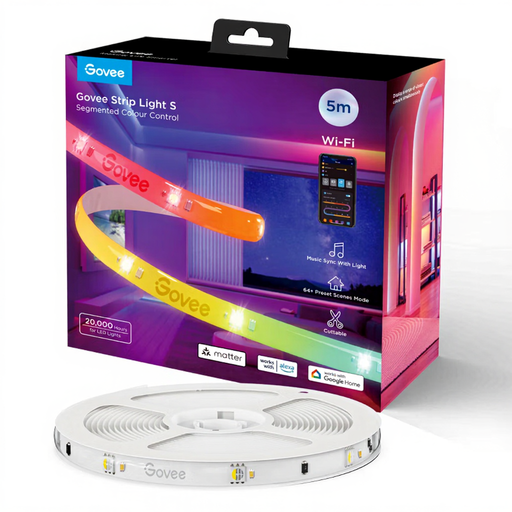
Why it suits this profile: This 5 m strip supports RGBIC segment control, Wi-Fi, Bluetooth and Matter. It’s a good option if you want to integrate smart LED lighting into your living room, home cinema or gaming set-up.
The product specifications state that a 2.4 GHz Wi-Fi connection is required, list the supported platforms and confirm that the strip is for indoor use. It shouldn’t be used in damp conditions over long periods.
Matter support, RGBIC segment control, app control and a 5 m length with a protective coating.
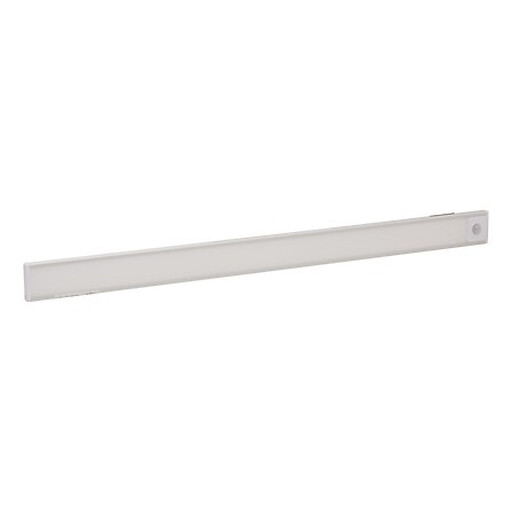
Why it suits this profile: This light bar is designed for cupboards, shelves, wardrobes, kitchen worktops and hallways. The motion sensor and rechargeable battery mean there’s no need for fixed wiring.
The technical specifications state the sensor range, lighting duration, battery capacity and charging time. This makes it easier to work out how often you’ll need to charge it before buying.
6000 K, USB charging, motion detection up to around 2 m, and magnetic or adhesive-strip mounting.
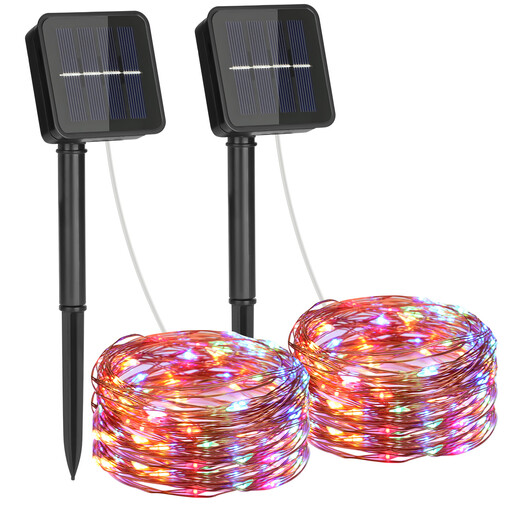
Why it suits this profile: Two solar string lights, each 12 m long with 120 LEDs, are suitable for gardens, balconies, patios or seasonal decorations where there’s no mains connection.
The product description explains that charging performance depends on the weather, that direct sunlight is needed, and that the lights have an IP65 rating. The solar panel must not be submerged.
Two 12 m strings, each with 120 LEDs, eight modes and a stated lighting duration of around 8 to 14 hours, depending on conditions.
We’ve put together a complete, regularly updated list of products that meet these strict selection criteria and the safety regulations in force in the EU.
The surface should be dry, clean, free from grease and as smooth as possible. It’s a good idea to test the adhesive on a small section before installing the whole strip. For longer strips, an additional mounting profile may be useful. Avoid sharply bending the strip at LED chips and connectors.
Their lifespan depends on LED quality, heat dissipation, operating time and power supply. A lifespan stated by the manufacturer is a guide, not a guarantee of how long the lights will last in your home. For mains-powered models, don’t use the product while it’s coiled if this could prevent heat from escaping.
Running costs depend on power consumption, daily operating time and your electricity tariff. The simple calculation is: power in watts divided by 1000, multiplied by the operating hours and the price per kilowatt-hour. For battery-powered models, you’ll need to factor in the cost of batteries or recharging the battery instead of electricity costs.