
Lieferung heute & morgen

Qualitätsgarantie

Willkommens-Angebote freischalten: KOSTENLOSE Lieferung | Bis zu 80 % RABATT | Kostenlose 30-Tage-JoyPlus-Testphase
App herunterladen
LED strips promise a simple and effective way to give any room a custom atmosphere. Whether as dynamic gaming lighting, subtle TV backlighting, or an ambient accent light in the living room – the applications are versatile. However, the market is confusing, and many products don't live up to their marketing promises. Before you make a decision, it's important to know the typical pitfalls that often lead to disappointment and unnecessary expense.
This guide will help you separate the wheat from the chaff. We focus on the crucial technical features and show you what to look for to find a durable and functional lighting solution for your room or project.
Many inexpensive offers entice with impressive features, but their weaknesses often become apparent in practice. Pay special attention to these three problem areas:
To avoid a bad purchase, don't be dazzled by marketing terms; instead, focus on verifiable technical data. These three factors are crucial for the quality and longevity of an LED strip.
The quality of the light largely depends on the installed light-emitting diodes. Two metrics are central here:
The method of control determines the convenience and functionality in daily use.
The IP rating indicates how well the LED strip is protected against the ingress of foreign objects (first digit) and water (second digit).
Instead of making a blanket recommendation, we have selected products that meet specific requirements and avoid the pitfalls mentioned earlier.
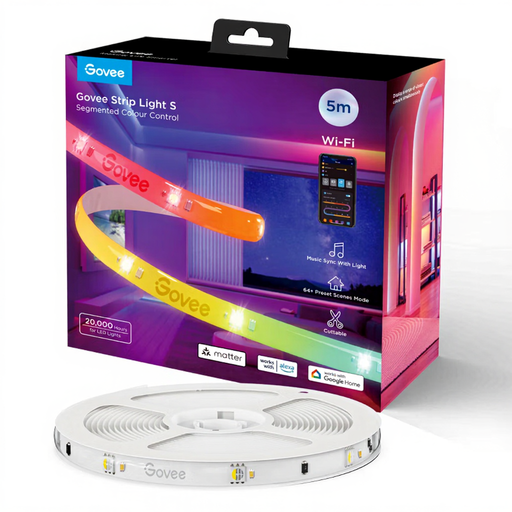
Why This Fits Their Persona: Ideal for an immersive gaming setup. The RGBIC technology enables dynamic, multi-color effects that can be precisely controlled via the Govee Home App. Matter support ensures seamless integration into existing smart home systems like Apple Home or Google Home.
The mature Govee app and stable connectivity bypass the problem of faulty software. The integrated music sync reacts precisely to audio instead of just flashing randomly. The protective coating increases durability.
RGBIC technology for segmented color control; Matter support for future-proof smart home integration.
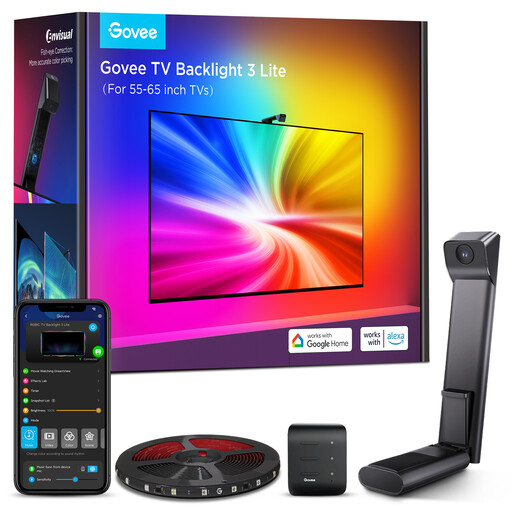
Why This Fits Their Persona: This solution was designed specifically for TV backlighting. It reduces eye strain during long movie nights and extends the viewing experience by illuminating the wall behind the TV with the colors from the screen content.
Instead of relying on unreliable microphones, this system uses a camera to precisely analyze the colors on the screen. This avoids the pitfall of washed-out or incorrect color reproduction and ensures a truly immersive synchronization.
Camera-based color synchronization for an exact match with screen content; RGBICW chip includes a dedicated warm white LED for pleasant ambient lighting.
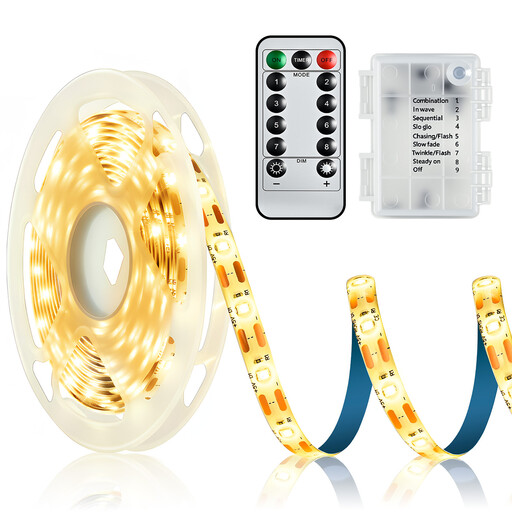
Why This Fits Their Persona: Perfect for anyone looking for a straightforward and mobile lighting solution. Since the strip is battery-powered, it can be used flexibly in a tent, on a balcony, for a party, or to decorate objects without a nearby power outlet.
This product deliberately forgoes complex app control in favor of a reliable remote, avoiding software problems from the outset. The IP65 certification with a resin coating ensures a robust, weatherproof construction.
Complete independence from power outlets due to battery operation; IP65 rating for use in sheltered outdoor areas; simple control via remote.
We have compiled a complete, up-to-date list of products that fully meet these strict selection criteria.
Yes, most LED strips can be cut at the designated points. These cutting marks are usually indicated by a scissor symbol. Cutting anywhere else will damage the circuit and cause the severed segment to no longer light up. Special click-on connectors (straight or corner connectors) are required to reconnect sections.
The power consumption of LED strips is very low compared to traditional light sources. A 5-meter strip typically consumes between 15 and 35 watts at full power, depending on brightness, color, and LED density. When dimmed or displaying darker colors, the consumption is correspondingly lower. The exact power consumption in watts is specified in the product's technical data.
Adhesion to rough or textured surfaces like woodchip wallpaper is a known challenge. The included adhesive tape is often optimized for smooth surfaces. For a permanent installation on textured wallpaper, it is recommended to first thoroughly clean the surface and remove any dust. If this is not sufficient, using additional mounting clips or mounting the strip on a thin, flat plastic or aluminum profile that is screwed to the wall can provide a stable hold.