
Lieferung heute & morgen

Qualitätsgarantie

Willkommens-Angebote freischalten: KOSTENLOSE Lieferung | Bis zu 80 % RABATT | Kostenlose 30-Tage-JoyPlus-Testphase
App herunterladen
An LED torch needs to do more than simply produce bright light, depending on how you intend to use it. When camping, long battery life is important; for repairs, flexible mounting can make all the difference; and in emergencies, reliable power is essential. That is why hikers, DIY enthusiasts, tradespeople and safety-conscious households should take a closer look at the technical specifications.
Many product pages promote high lumen figures or particularly tough housings. However, these details only provide a meaningful comparison when considered alongside beam distance, battery life, ingress protection and ease of use. Our selection highlights the features that matter before buying and shows which models are suited to different situations.
A high lumen rating describes the light output, but it does not automatically mean a long beam distance or comfortable illumination. A focused beam can reach a long way, while a wide-beam LED torch may illuminate the immediate surroundings more effectively. You should therefore also consider beam distance, lighting modes and the shape of the beam.
The term “waterproof torch” should be accompanied by a specific IP rating. With IP67, the first digit indicates dust protection and the second indicates protection against temporary immersion under the specified test conditions. IP68 also indicates dust protection, together with an extended level of water protection determined by the manufacturer. Charging ports, seals and the battery compartment can still remain vulnerable points.
The stated battery life often relates to a particular, usually lower, lighting mode. A rechargeable LED torch can use energy considerably faster at full power. Models with AA batteries also create ongoing costs and additional waste. For regular use, a USB-C rechargeable torch may be more practical, provided that its charge level and charging port suit your daily routine.
Do not compare the lumen rating alone. The following are also important:
A tactical torch with a narrow beam may be suitable for finding your way outdoors. For repairs or use at a workbench, a wide-beam LED work light is often more practical.
AA batteries can be replaced at short notice and are readily available in shops. An integrated lithium-ion battery, on the other hand, can be charged via USB-C, power bank, laptop or vehicle adapter. Check the charging indicator, charging time and whether the port needs to be protected from moisture.
The phrase “up to” in a battery-life specification should be understood as a maximum value under certain conditions. For emergency equipment, it makes sense to keep spare batteries or a charged power bank available.
Aluminium housings can combine low weight with a durable construction. Information about impact resistance, such as IK07 or IK08, can also be useful. However, the IP rating and impact resistance describe different properties.
For a workshop or vehicle, an inspection light with a magnet, swivel joint or rotating housing is often more suitable than a traditional handheld torch. A head torch keeps both hands free, while a camping lantern is generally intended to provide even illumination across a table or inside a tent.
The following models meet a range of requirements. The stated values are based on the available product information and should be checked against the current contents and the manufacturer’s guidance before buying.
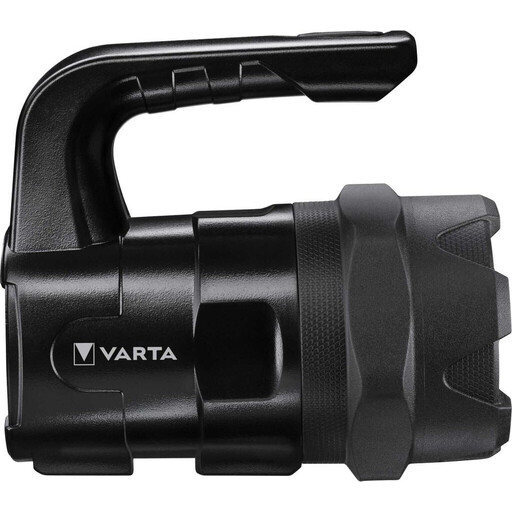
Why this product suits this profile: The lamp comes with six AA batteries, making it suitable for households, occasional outdoor activities and emergency equipment without the need for a separate charger.
The product specifications state two lighting modes, up to 85 hours of battery life, and IP67 and IK08 protection. This makes it easier to assess brightness, battery life and durability in concrete terms.
400 lumens, stated beam distance of up to 400 metres, aluminium housing and six AA batteries included.
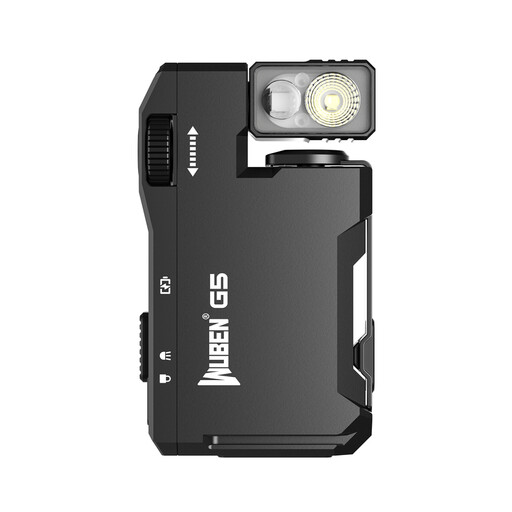
Why this product suits this profile: For regular use when hiking, camping or around the home, the integrated battery with USB-C port is a practical alternative to disposable batteries.
The specifications state six lighting modes, USB-C charging, IP68 and a beam distance of up to 93 metres. This allows buyers to assess the desired operating mode and water protection more accurately.
1200 lumens according to the product information, aluminium alloy construction, six modes and charging via power bank, laptop or vehicle adapter.
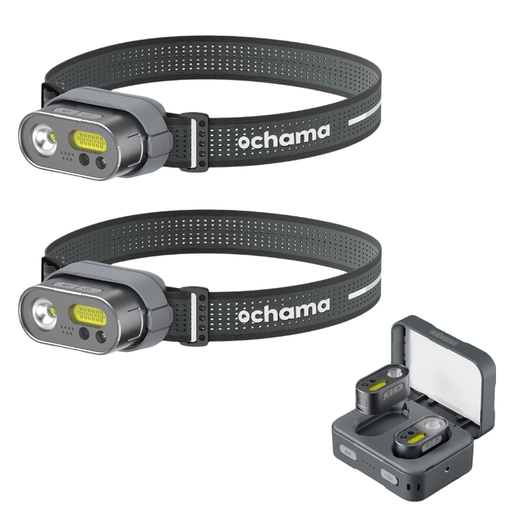
Why this product suits this profile: A head torch is ideal for hikers, campers and DIY enthusiasts who need both hands free while working or walking.
The set includes two head torches, a base, a strap, a Type-C charging cable and a charging case. This makes the contents clearer than with offers where accessories have to be purchased separately.
Gesture sensor for dimming, Type-C charging cable and charging case; suitable for hands-free work and outdoor activities.
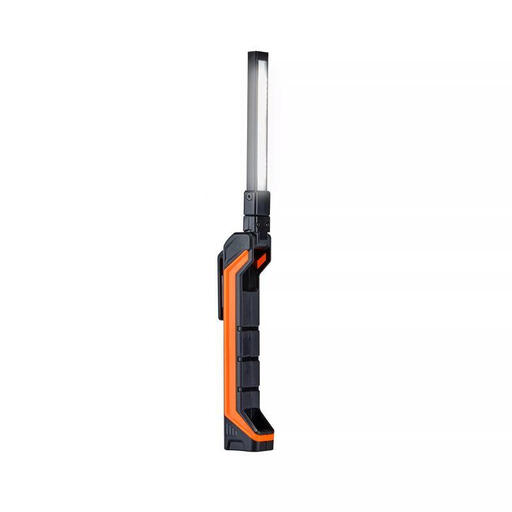
Why this product suits this profile: Vehicle mechanics, tradespeople and DIY enthusiasts benefit from its slim shape, magnet and adjustable light direction when working on vehicles or in confined spaces.
Rather than quoting just one brightness figure, the model specifies three functions with up to 200, 80 and 40 lumens. A charging indicator shows the battery level.
180° swivelling, 360° rotation, magnetic mounting, integrated lithium-ion battery and up to three hours of battery life in low mode.
We have put together a complete, regularly updated list of products that fully meet these strict selection criteria and the safety regulations applicable in the EU.
For household tasks, walks and simple repairs, lower power settings may be sufficient. Higher figures are useful for larger outdoor areas. However, the beam, beam distance, battery life and the ability to reduce the brightness remain crucial.
That depends on how you use it. With frequent use, a USB-C rechargeable battery can reduce the ongoing cost of disposable batteries. For occasional emergencies, an AA model is practical because spare batteries can be stored for a long time and replaced at short notice. The rechargeable torch should be charged regularly and its port kept dry.
After using it in the rain, dry the housing and charging area. With battery-powered models, check that the battery compartment is properly closed. Seals must not be damaged or treated with aggressive cleaning products. A stated IP rating does not replace the need to follow the relevant manufacturer’s instructions.