
Lieferung heute & morgen

Qualitätsgarantie

Willkommens-Angebote freischalten: KOSTENLOSE Lieferung | Bis zu 80 % RABATT | Kostenlose 30-Tage-JoyPlus-Testphase
App herunterladen
LED lighting is suitable for a wide range of applications in German homes: as functional lighting in kitchens and bathrooms, as LED outdoor lighting in the garden, as decorative RGB LED lighting or as an energy-efficient guide light in hallways. However, the extensive choice can make decisions difficult. Wattage, lumens, colour temperature, IP rating and mounting type must match the intended location.
Wattage primarily indicates electrical power consumption, not brightness itself. For brightness, luminous flux in lumens (lm) is the decisive factor. For example, a 10-watt spotlight with 1,050 lumens produces a different amount of light from a decorative solar light with 200 lumens.
The following applies when choosing a light:
A light designed for the bathroom is not automatically suitable for an unprotected garden. The IP marking consists of two digits and describes protection against solid foreign objects and water.
With solar lights, the solar panel should also receive sufficient sunlight. A light with a separate panel can be positioned more flexibly than a model in which the panel and light source are permanently integrated.
Before purchasing, check the cut-out diameter, installation depth and operating voltage. A 12–24-volt LED recessed spotlight must not be connected directly to 230 volts. A suitable transformer is required, and some products require this to be purchased separately.
Dimmable LED spotlights also work only with a compatible dimmer. For 230-volt models, installation should follow the manufacturer’s instructions. In Germany, work on fixed electrical installations must involve a qualified electrician.
For living rooms, bedrooms and home offices, colour temperature, beam angle and dimming functionality are all relevant. A ceiling light with fan can provide air circulation in addition to room lighting. In smaller rooms, slim fixtures and wide beam angles are particularly practical.
Compact 12–24-volt spotlights are suitable for cabinets, shelves and kitchen furniture. Always check whether a transformer is included and whether the cut-out matches the existing furniture.
In damp rooms, the IP rating should match the installation zone. IP44 can provide protection against splashing water, but it is not suitable for direct water jets or permanently wet areas. Neutral white light at 4,000 K is often practical for kitchen worktops, while warm white light creates a calmer atmosphere in living areas.
LED outdoor lighting, LED floodlights and smart solar lights serve distinctly different purposes. Floodlights with high lumen outputs provide broad-area illumination, while ground lights and pendant lights are better suited to accentuating paths, flowerbeds and patios.
For solar-powered products, pay attention to the panel size, battery type, cable length and charging conditions. The stated maximum operating time depends on sunlight, brightness level and operating mode.
An LED string light, Christmas lighting or an LED strip is ideal for decorative accents. Outdoors, the entire installation—including the plug, power supply and connectors—must be suitably protected. An IP20 LED strip is intended exclusively for dry indoor areas.
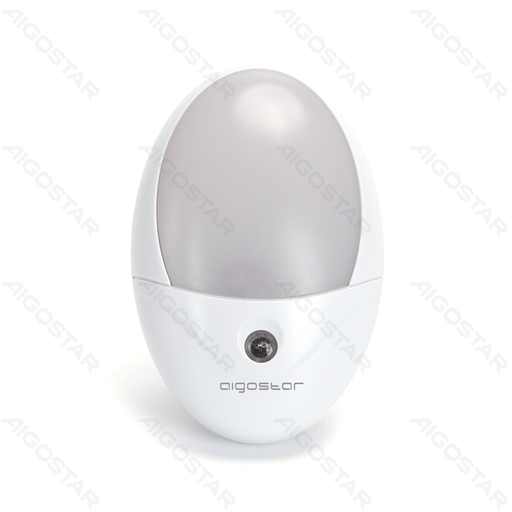
Why it’s a good fit: For hallways, stairs and bedrooms, this plug-in model provides a straightforward indoor lighting solution without the need to replace batteries.
The specifications list 20 lm, 3,000 K, 1 W and IP20. This clearly defines the product as an indoor light.
PIR motion sensor with a 7 m detection range, 120° detection angle and direct 220–240-volt connection.
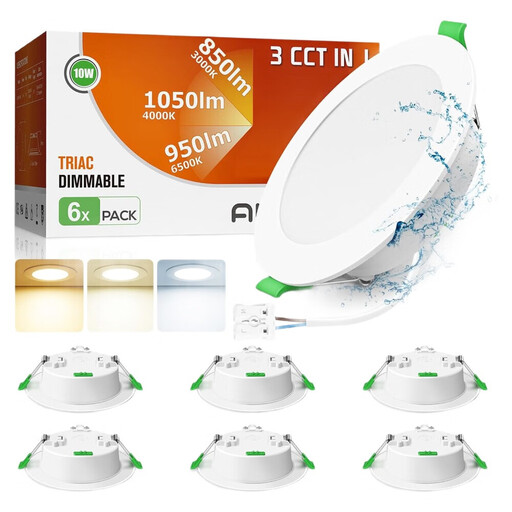
Why it’s a good fit: Ideal for kitchens, bathrooms and living spaces where three colour temperatures and adjustable brightness are required.
The light requires 90–100 mm ceiling cut-outs and a compatible trailing-edge dimmer. Check these requirements before placing your order.
1,050 lm per light, 3CCT selection with 3,000/4,000/6,500 K, dimming range from 10–100% and IP44.
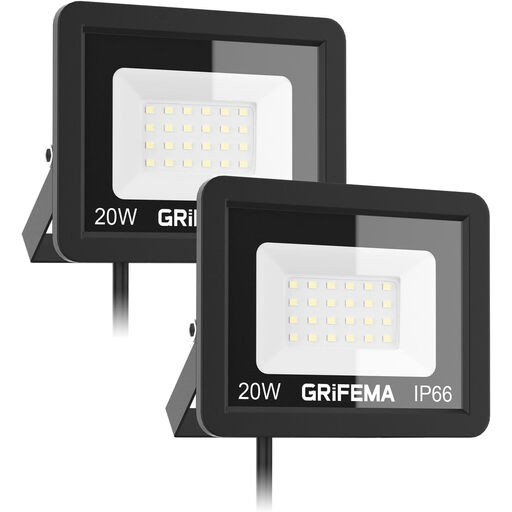
Why it’s a good fit: For gardens, garages, courtyards and patios where bright, directional outdoor lighting is required.
The specifications state IP66, 6,500 K and 1,100 lm per floodlight. The mains plug is not included, so the connection must be planned separately.
Two lights, 180° adjustable brackets and IP66 protection against dust and powerful water jets.
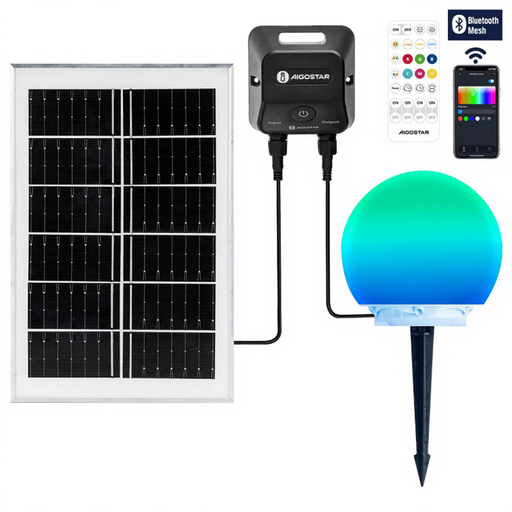
Why it’s a good fit: For garden paths, flowerbeds and patios where solar power, colour changing and app control are to be combined.
The separate 5 W solar panel requires a sunny location. The IP67 rating applies to the light; the instructions prohibit permanent immersion.
RGB and tunable white from 2,700–6,500 K, Bluetooth Mesh control, a 4,000 mAh battery and a stated maximum operating time of up to 24 hours.
Our selection includes additional LED lights for different mounting types, protection ratings and applications. Before purchasing, check the technical specifications and suitability for the intended location.
For indirect accent lighting, a 5 m LED strip with RGB colour control, remote control and dimmable brightness is a versatile choice. The stated model operates at 24 volts but has an IP20 rating, so it is intended only for dry indoor areas.
For Christmas, options include a 100 cm curtain-light ball decoration and a three-piece set of illuminated gift boxes. The gift-box set is specified with eight lighting modes, a timer function, 3.6 W total power consumption and IP44 protection. Outdoors, the power supply and cable should be kept dry or placed inside a suitable protective box.
A 12–24-volt LED recessed spotlight with 4 W may be suitable for furniture, cabinets and kitchen areas. It requires a transformer purchased separately, has a 55–58 mm cut-out and offers 3,000, 4,000 or 6,000 K. Flexible RGB LED displays with USB connections are also available for vehicles; mounting, visibility and road safety must be assessed particularly carefully.
Running costs depend on the wattage, daily operating time and electricity price. The simple calculation is: Wattage ÷ 1,000 × operating hours × electricity price. A 10 W light running for five hours a day consumes 0.05 kWh per day. With several lights, consumption increases accordingly.
Service life depends on the product and is often specified in hours. Product data may list figures such as 10,000, 20,000, 25,000 or 30,000 hours. This figure is not a guarantee of a specific service life in the home. Heat, frequent switching, moisture and an unsuitable dimmer can affect the actual lifespan.
No. Solar lights require a location with sufficient direct sunlight. Shade from buildings, trees or roof coverings reduces charging performance. Smart solar lights with separate panels offer greater flexibility when positioning the light source. Before installation, also check the IP rating, cable routing and accessibility for cleaning and maintenance.