For cooked pasta you plan to eat over the next few meals, your existing fridge should be enough if there’s sufficient space and you can keep leftovers cold enough where they’re stored. You don’t need an additional freezer compartment for this. The German Federal Institute for Risk Assessment recommends cooling heated food to below +7 °C within a few hours. If you regularly freeze portions, check the separate freezer capacity, available space and annual energy consumption of the specific model.
Which fridge suits you?
Living alone and dealing with leftover pasta
If you cook one or a few extra portions, what matters most is having enough chilled storage for your next meals. The German Federal Institute for Risk Assessment recommends keeping leftovers in the fridge.
Batch cooks who need freezer space
If you regularly prepare several portions, consider whether you’d also like to freeze some. The key question is how much chilled storage is actually left once you account for the freezer compartment.
People with small kitchens
If space is limited, the fridge’s external dimensions and door opening need to suit your kitchen. Compare the dimensions of the specific appliance with the space available and the clearance it needs.
What to look for when buying
Fridge without a freezer compartment
A good fit if: You mainly chill pasta and other food and don’t need freezer space.
The trade-off: There’s no space for frozen portions to keep in stock; compare the annual energy consumption of the specific model.
Table-top fridge with a freezer compartment
A good fit if: You’d like to freeze portions occasionally as well as chill leftovers, and the appliance and its door opening will fit the space available.
The trade-off: The freezer compartment takes up space that can’t be used for chilled food. Compartment size and annual energy consumption vary by model.
Keep using your existing fridge
A good fit if: There’s enough room for sealed portions and the storage area can be kept cold enough.
The trade-off: If your appliance is older, you can measure its energy consumption and compare it with the annual consumption of a suitable new model.
| Priority |
What to look for when buying |
Who it matters most to |
| Chilled storage |
Measure the temperature in the intended storage area with a fridge thermometer. The German Federal Institute for Risk Assessment recommends cooling heated food to below +7 °C within a few hours. |
When I’m keeping cooked pasta for the next few meals, I want to be able to check the temperature where it’s stored. Around 36% of consumers are likely to put temperature control first. |
| Usable fridge space |
Compare the stated fridge capacity separately from the freezer capacity, and check that your containers will fit. The Verbraucherzentrale recommends 100 to 150 litres of usable capacity as a general guide for one- to two-person households. |
I need enough room inside for my portions and other food, without taking up space with an unnecessarily large appliance. Around 29% of consumers are likely to put suitable fridge capacity first. |
| Extra freezer space |
Check the capacity and star rating of the specific freezer compartment, as well as how the model is defrosted. |
If I batch cook several portions, I’d like the option to freeze some when needed. Around 21% of consumers are likely to prioritise a freezer compartment. |
| Space and door opening |
Compare the width, depth and height with the space available, and check the door hinge and installation instructions. |
In a small kitchen, the appliance needs to fit in its intended space with the door open. Around 14% of consumers are likely to consider the available space and door opening first. |
Avoid common buying mistakes
-
Confusing total capacity with fridge capacity
Of the Bomann KS 2194.1’s 120 litres of total capacity, 13 litres are taken up by the freezer compartment. That space isn’t available for chilled pasta containers.
Compare fridge and freezer capacity separately, and measure your containers. Bomann’s specifications refer to the KS 2194.1 model.
-
Assuming similarly named models are identical
A different model number doesn’t prove that the features and technical specifications are the same. Information about one appliance can’t automatically be applied to a similarly named model.
Before buying, check the full model number and the product information sheet for that specific appliance.
-
Thinking reheating makes up for not cooling food properly
The German Federal Institute for Risk Assessment points out that Bacillus cereus spores can survive normal heating, and reheating won’t reliably destroy any toxin that has already formed.
Divide leftovers into portions so they cool quickly, then store them somewhere sufficiently cold. Don’t rely on reheating later to make up for improper storage.
Brands to consider
The details below refer to specific models and manufacturer specifications, not to every product in a brand’s range.
Beko
Table-top appliances for anyone weighing up fridge space against the need for extra freezer capacity.
- According to Beko, the TSE1285N offers 101 litres of fridge space, a freestanding design and a reversible door.
- TSE1285N and TSE1284N are different model numbers. Check the features against the specifications for the appliance you’re considering.
Bomann
The KS 2194.1 table-top fridge combines fridge space with a small freezer compartment.
- Bomann lists 107 litres of fridge space, a 13-litre four-star freezer compartment, 110 kWh/a and 39 dB(A) for the KS 2194.1.
- The freezer compartment is included in the total capacity of 120 litres, so it isn’t available for chilled containers.
Severin
The table-top appliances mentioned differ in whether they just chill food or also provide freezer space.
- According to Severin, the VKS 8843 offers 133 litres of fridge space; the manufacturer lists 95 litres of fridge space and 13 litres of freezer space for the RKS 8830.
- Severin lists 58 kWh/a for the VKS 8843 and 110 kWh/a for the RKS 8830. These are manufacturer specifications for different models, not independent measurements.
Joybuy products for keeping leftovers chilled
This Joybuy selection ranges from compact fridges to fridge-freezers. For each model, check the stated fridge capacity and the temperature in the intended storage area.
 No image available
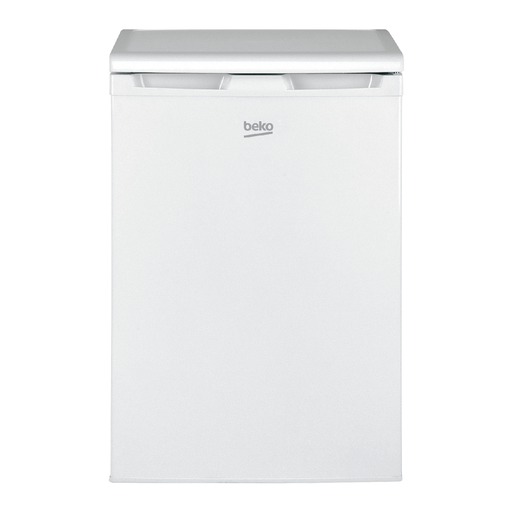
Beko TSE1284N b100 table-top fridge-freezer
This model is worth considering if you’d like to freeze portions as well as keep leftovers chilled.
The product description lists 101 litres of fridge space, a separate 13-litre four-star freezer compartment and 114 litres of total capacity. It also mentions MinFrost and a reversible door.
View at Joybuy
 No image available
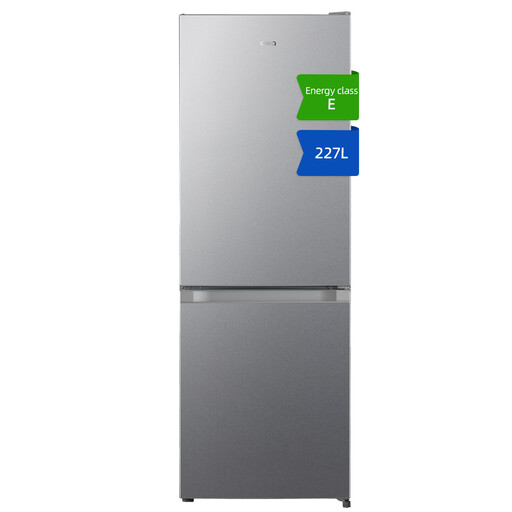
CHiQ JR227LSE fridge-freezer
If you need room for chilled leftovers and larger amounts of food, this model has separate fridge and freezer compartments.
The product description lists 153 litres of fridge space, 74 litres of freezer space, a width of 54 cm, Low Frost, a reversible door and energy efficiency class E.
View at Joybuy
 No image available
Sonlu CS-100L fridge, 82 litres, without a freezer compartment
This appliance is an option if you want to store chilled leftovers and don’t need freezer space.
The description lists 82 litres of usable capacity, mechanical temperature control and adjustable glass shelves. There’s no freezer compartment.
View at Joybuy
 No image available
TCL RF120DWE0 fridge with chiller box, 90 litres
This model could suit you if you’re looking for a compact appliance with a separate chiller box. Check the temperature in the compartment where you plan to store your pasta.
The description lists 90 litres of total capacity, three adjustable glass shelves, external dimensions of 449 × 485 × 842 mm and a separate chiller box with a temperature range of −5 °C to 5 °C.
View at Joybuy
 No image available
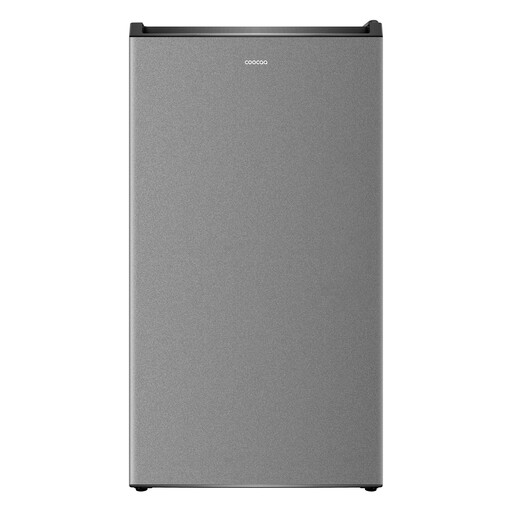
Coocaa SRS-120DTE fridge, 83 litres, without a freezer compartment
If you want to store chilled leftovers and don’t need freezer space, this appliance is described as a fridge without a freezer compartment.
The product description lists 83 litres of fridge space, mechanical temperature control and adjustable glass shelves.
View at Joybuy
Frequently asked questions
How long can I keep cooked pasta in the fridge?
The German Federal Institute for Risk Assessment recommends cooling leftovers to below +7 °C within a few hours, keeping them in the fridge and eating them within two to three days. This is general food hygiene advice, not a guarantee for every recipe or a legally defined shelf life.
How can I check whether my fridge is cold enough?
Measure the temperature with a fridge thermometer and adjust the setting if needed. The Verbraucherzentrale suggests 7 °C in the upper compartment as a guide; also follow the installation and operating instructions for your specific appliance.
What should I look for when it comes to energy consumption and guarantees?
Compare the stated annual energy consumption in kWh for appliances with suitable fridge capacity. For an existing fridge, the Verbraucherzentrale recommends measuring its consumption over seven days and then calculating the annual figure. Your statutory rights and a voluntary manufacturer’s guarantee are separate entitlements; check the guarantee terms and the relevant contact separately.
Which energy label applies to new fridges, and how should I dispose of an old appliance?
New fridges use the EU energy label scale from A to G; the older plus ratings are no longer the current basis for comparison. The German Environment Agency advises against putting old appliances in household, packaging or bulky waste. Instead, use an appropriate collection or take-back point. These are labelling and disposal rules, not an additional statutory minimum energy class for buying an appliance.


