What to look for when buying
First decide whether you want to freeze portions or whether your existing fridge will do. Then check the space for your containers, the dimensions and the annual energy consumption.
| What you need from your fridge |
What to check |
Who puts this first? |
| Keeping leftovers chilled safely and conveniently |
Space for covered portion containers and the fridge temperature it can reach; the BfR recommends between 2 °C and 7 °C. |
If you plan to eat your soup soon, suitable shelves and reliable cooling matter more than a freezer compartment you don’t need. Around 36% of consumers put safe refrigeration first. |
| Freezing portions |
Check the freezer compartment and its stated capacity separately from the fridge, and take your container dimensions into account. |
If you regularly batch-cook and want to save portions for later, make sure your containers will fit in the freezer compartment. Around 29% of consumers prioritise freezing. |
| Matching the space available to the interior |
Check the external dimensions, door hinges, clearance for opening and shelves against the space available and your containers. |
If your kitchen is short on space, you need an appliance that will fit and open properly while still leaving room for your containers. For around 21% of consumers, finding a fridge that fits is the top priority. |
| Comparing energy consumption |
For appliances that meet your space and storage needs, compare the kWh/year figure on the EU energy label. |
If you want to take running costs into account, compare suitable models by their annual energy consumption and your own electricity tariff. Around 14% of consumers make this their top priority. |
Joybuy products
The Joybuy options below are fridges for storing food, including models without a freezer compartment and a table-top fridge with a stated freezer compartment.
 No image available
Sonlu CS-100L fridge
Described as a compact fridge for keeping leftover soup chilled, with adjustable shelves that give you flexibility when arranging containers.
- 82 l of fridge capacity
- Mechanical temperature control
- Adjustable glass shelves
- Energy efficiency class E
View at Joybuy
 No image available
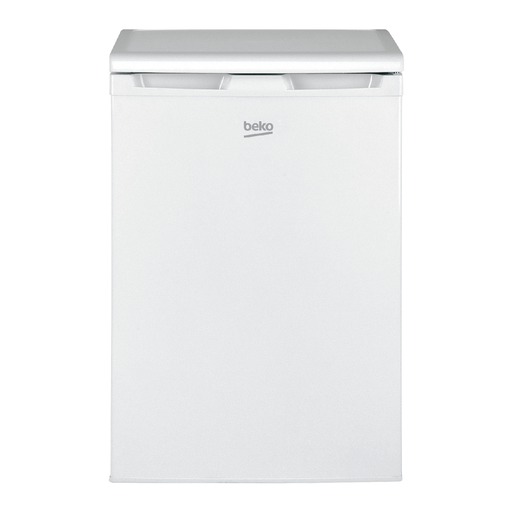
Beko TSE1284N b100 table-top fridge with freezer compartment
If you want to freeze portions as well as keep leftovers chilled, this model has separate stated fridge and freezer capacities. Check that your containers will fit.
- 114 l total capacity
- 101 l of fridge capacity
- 13 l freezer compartment
- Adjustable safety glass shelves
- Reversible door
View at Joybuy
 No image available
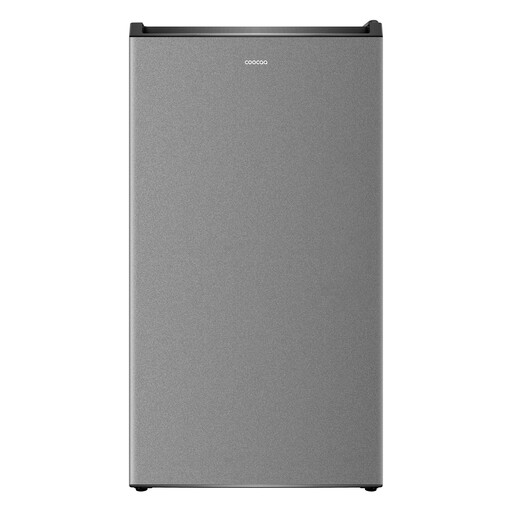
Coocaa SRS-120DTE fridge
This compact fridge is designed for chilled storage. Adjustable shelves and door compartments help you organise the interior.
- 83 l of fridge capacity
- Temperature control
- Adjustable shelves
- Energy efficiency class E
View at Joybuy
 No image available
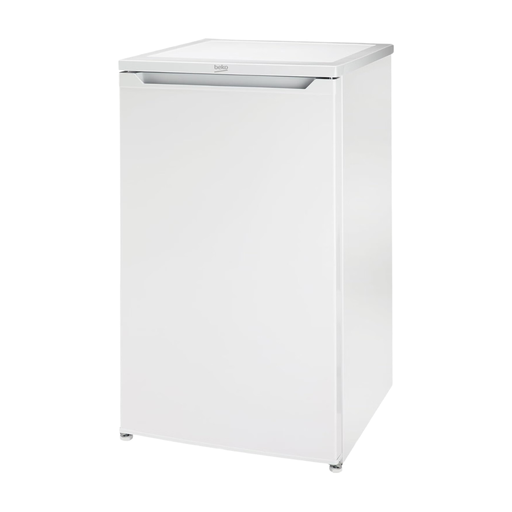
Beko TS190040N fridge
This freestanding model is described as a fridge without a freezer compartment. It could suit you if you’re mainly looking for chilled storage for leftovers and other food.
- 88 l capacity
- 47,5 cm wide and 81,8 cm high
- Three glass shelves
- Reversible door
- Stated noise level of 38 dB
View at Joybuy
 No image available
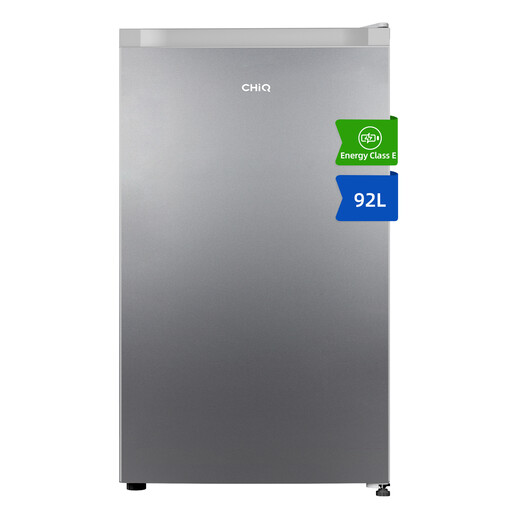
CHiQ JR92DSE fridge
At 47 cm wide, this model is an option if space is tight. Check its dimensions against the space available and the clearance needed to open the door.
- 92 l capacity
- 47 cm wide
- Seven temperature settings
- Adjustable glass shelves
- Energy efficiency class E
View at Joybuy
Frequently asked questions
How should I store leftover soup?
Divide larger amounts into shallower portions so they cool quickly, then cover and store them in the fridge. The BfR recommends keeping perishable foods at between 2 °C and 7 °C, and cooling hot food quickly to below 7 °C if you want to store it for longer. The BfR advises eating leftovers within two to three days; freezing is an option for longer storage.
Is total capacity enough to tell me how much room there is for soup containers?
No. Compare the fridge and freezer capacities separately, and check whether your containers will fit on the shelves or in the freezer compartment. The EU energy label shows the capacity of each compartment.
What should I check before setting up my fridge and while using it?
Measure the space available, including the clearance needed to open the door, and compare it with the dimensions of the specific model. When the fridge is running, check the temperature it reaches and inspect the door seal. If you already own an appliance, measuring its energy consumption can help you compare it with suitable new models.
What labels and rights apply when buying a new fridge in Germany?
EU energy labelling rules apply to relevant new household refrigeration appliances in Germany. The label shows details including kWh/year, capacity and noise level. If you buy as a consumer from a trader, you have statutory rights if the product is faulty; Your Europe explains that goods sold in the EU are covered by a minimum legal guarantee of two years from receipt. For online and other distance purchases, you generally have a 14-day right to cancel from the date of delivery. A voluntary manufacturer’s warranty does not replace your statutory rights.


