
Lieferung heute & morgen

Qualitätsgarantie

Willkommens-Angebote freischalten: KOSTENLOSE Lieferung | Bis zu 80 % RABATT | Kostenlose 30-Tage-JoyPlus-Testphase
App herunterladen
A sturdy LEGO baseplate is the foundation for any creative world. However, the selection can be overwhelming and lead to disappointing purchases that dampen the building fun. People often buy plates that don't fit their existing bricks, are too small for the planned project, or have poor quality that makes structures unstable. This guide will help you avoid the most common pitfalls and make an informed decision, ensuring your next creation stands on a solid foundation.
Before you buy any LEGO accessories, it's helpful to know the typical problems that lead to disappointment in the playroom.
To find the right foundation for your LEGO projects, you should check three key parameters. These ensure that the plate functions optimally and offers long-lasting play value.
This distinction is fundamental. LEGO DUPLO plates are intended for children aged 1.5 years and up. Their studs are larger and spaced further apart to fit the large DUPLO bricks. LEGO Classic baseplates (and themed plates like LEGO City) are for children aged 4 and up, as well as adults. They feature the smaller, more closely spaced standard studs. Before buying, check exactly which system the plate is designed for to avoid compatibility issues.
The size of the plate determines the scale of your creations. A LEGO 32x32 stud plate (approx. 25x25 cm or 10x10 in) is a versatile standard for small to medium-sized projects. For building entire cities, expansive landscapes, or as a shared building surface for several children, larger formats like 48x48 studs (approx. 38x38 cm or 15x15 in) are more suitable. Consider what kind of projects you plan to build beforehand to choose the right dimension.
The colour of the baseplate sets the scene and sparks the imagination. Each colour serves as a base for a different environment:
Instead of an overwhelming list, we present targeted recommendations tailored to typical user profiles.
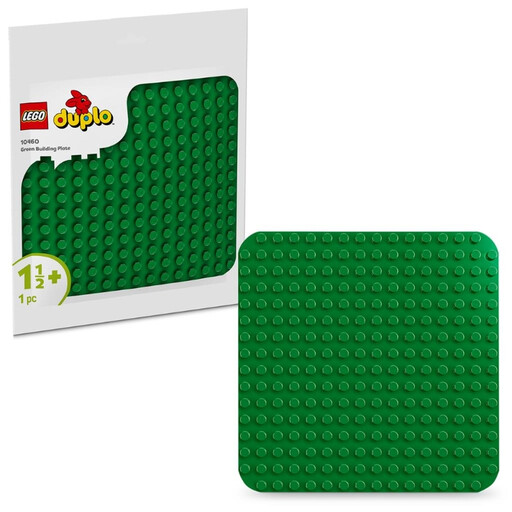
Why This Fits Their Persona: Specifically designed for the larger hands and developing motor skills of toddlers. It provides a secure and stable base for their first building attempts with DUPLO bricks.
This plate is designed exclusively for LEGO DUPLO bricks, thus preventing the common mistake of incompatibility with Classic bricks.
Robust construction with 16x16 large studs that securely hold bricks, even upside down. According to the manufacturer, it promotes fine motor skills and spatial awareness.
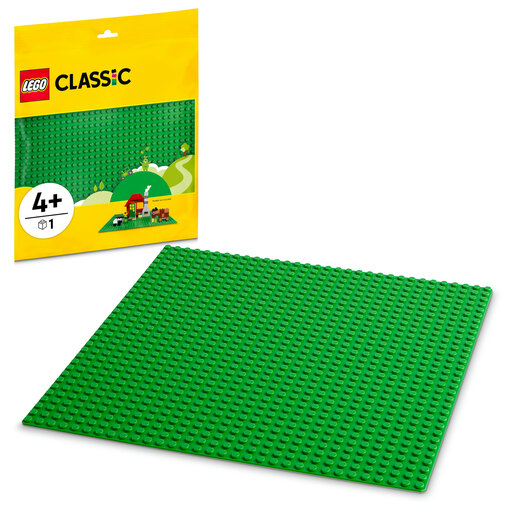
Why This Fits Their Persona: The standard foundation for anyone building with classic LEGO bricks. The green colour is versatile for landscapes and gardens, and the 32x32 stud size offers enough space for their first big ideas.
As an original LEGO Classic baseplate, it provides the necessary clutch power and stability often lacking in cheaper alternatives. Structures hold together securely.
Provides a surface with 1,024 studs for a firm grip. It is the universal base for gardens, forests, or fantasy landscapes and is compatible with all LEGO System bricks.
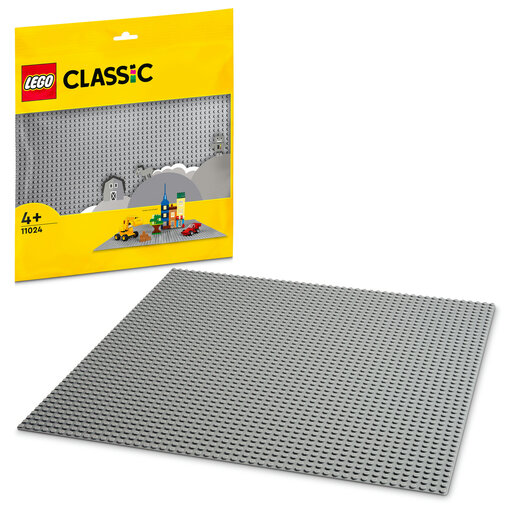
Why This Fits Their Persona: Ideal for anyone planning large-scale projects like street scenes, castles, or detailed cityscapes. The large surface and neutral colour offer maximum flexibility for complex structures.
With a size of 48x48 studs, this plate solves the problem of an insufficient building area. Large buildings or entire city blocks will find enough space here without becoming unstable.
Offers a huge building surface with 2,304 studs for maximum stability. The grey colour is the ideal base for urban scenes and makes colourful bricks stand out.
We have compiled a complete, up-to-date list of products that fully meet these strict selection criteria and rigorous safety standards.
No. There are two main systems: LEGO DUPLO for toddlers and LEGO Classic (or System) for older children and adults. DUPLO bricks only fit on DUPLO plates with large studs. Classic bricks fit on all standard baseplates (Classic, City, Friends, etc.) but not on DUPLO plates.
According to the manufacturer, LEGO parts should be washed by hand at a maximum of 40°C (104°F) with a mild detergent. Use a soft cloth or sponge. The plates should not be put in the washing machine or dishwasher, as high temperatures can warp the plastic. Afterwards, let them air dry.
LEGO baseplates are not designed to be connected directly to each other. They are placed side-by-side to create a larger building surface. To create a stable connection between multiple plates, you can fix them to a larger, flat surface or connect them by building over the plate edges with several layers of LEGO bricks.