
Lieferung heute & morgen

Qualitätsgarantie

Willkommens-Angebote freischalten: KOSTENLOSE Lieferung | Bis zu 80 % RABATT | Kostenlose 30-Tage-JoyPlus-Testphase
App herunterladen
Building toys for children should be suitable for their age, sturdy enough for the way they’ll be used and offer plenty of ways to play even after the initial excitement has worn off. In practice, unclear age guidance, underestimated storage needs or a lack of replacement parts and storage options can quickly lead to a purchase you regret.
This buying guide from the Joybuy Product Recommendation Officer takes a practical look at the key things to consider and highlights products to suit different families and ways of playing.
More building bricks don’t necessarily mean more play possibilities. What matters is whether a set allows for open-ended building or is designed for just one model. LEGO Classic boxes, for example, contain plenty of basic pieces, while themed sets focus more on a particular scenario.
So look for:
Small parts, marbles and strong magnets aren’t suitable for younger children. A set marked ‘4+’ shouldn’t be given to a younger child just because they already enjoy building. Their motor skills and ability to concentrate for the time needed also matter.
For educational toys for children aged 1 and over or toddlers, larger pieces that are easy to hold are preferable. Older children and adult LEGO fans, on the other hand, may enjoy sets with lots of small parts, complex building steps and decorative models.
Loose bricks can quickly end up all over the living room and children’s bedrooms. A box, case or resealable package makes it easier to keep things tidy. For soft building blocks, check whether the covers are removable and washable. Magnetic building blocks and marble runs should also be checked regularly for damage.
The manufacturer’s age recommendation is an important starting point. It generally takes into account piece size, building requirements and how the toy works. Small parts and marbles can be swallowed and should be kept away from children below the stated age limit.
For toddlers aged around 1 to 2, larger systems such as LEGO DUPLO or soft building blocks are suitable options. Classic interlocking bricks are an option for children aged 4 and over. Sets with more complex instructions, lots of moving features or 3-in-1 models are generally aimed at older children.
For plastic building toys, it’s worth checking the material and workmanship details, as well as any warnings. Rounded edges can make a toy more comfortable to handle, but they don’t replace age-appropriate use. For magnetic building blocks, pay close attention to the magnet warning: swallowed magnets can be dangerous.
According to the product information, the BanaSuper foam toy is made from high-density foam with a textile cover and is associated with EN71-1, EN71-2, EN71-3 and the Toy Safety Directive 2009/48/EC. The covers are removable and machine washable. The supplier says the pieces need 24 to 48 hours to fully expand after being unpacked from the vacuum packaging.
Large building toys need plenty of floor space and somewhere suitable to store them. A children’s marble run can work on a table, but it needs a stable base and an area where marbles won’t roll away unnoticed.
Before you buy, check:
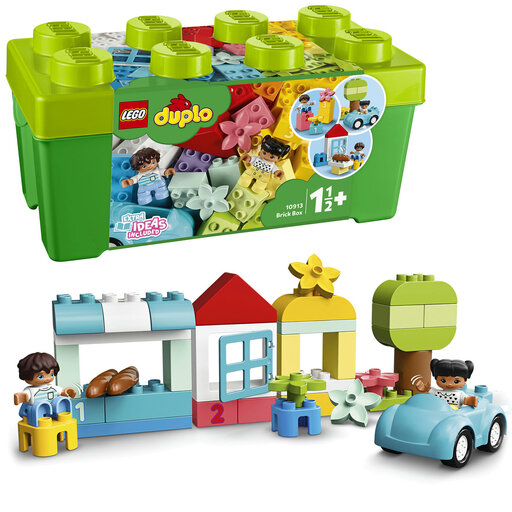
Why this product suits this type of user: The box contains 65 pieces, including two figures, a wheeled vehicle, number bricks and everyday items. The large pieces make it easy for children aged 1½ and over to get started.
Its manageable number of pieces means less sorting, while still offering several basic shapes for free building and role play.
65 pieces, a storage box and elements for stacking, sorting and combining.
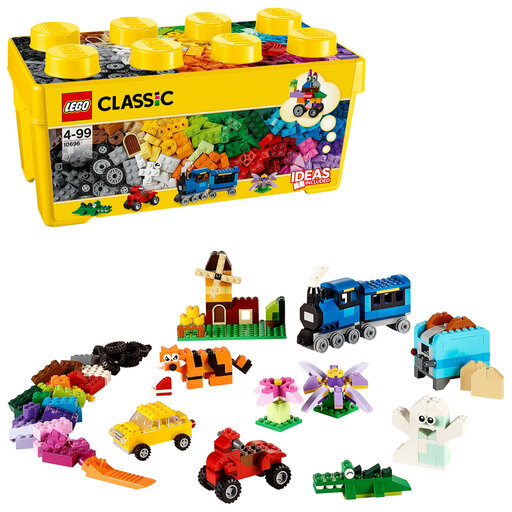
Why this product suits this type of user: Designed for children aged 4 and over, the box contains 484 pieces in 35 colours, including wheels, windows, eyes and baseplates.
The mix of basic and functional pieces encourages free building rather than focusing on just one set model.
484 pieces, a sorting box and printed and digital building ideas.
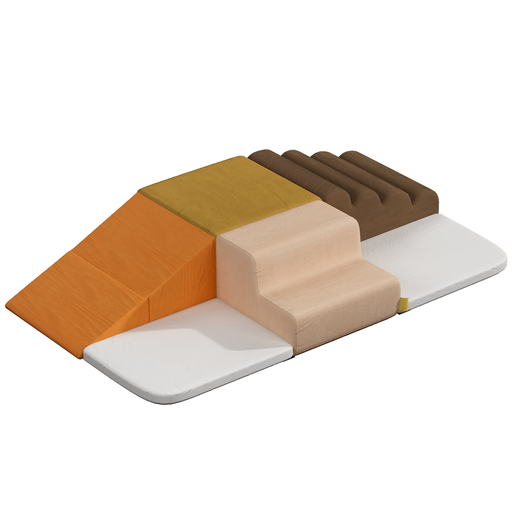
Why this product suits this type of user: The six large foam pieces are designed for active indoor play, including crawling, climbing and building.
The removable, machine-washable covers make cleaning easier, addressing a task that’s often overlooked with toys used frequently.
Non-slip undersides, hook-and-loop fastenings and washable covers, according to the product description.
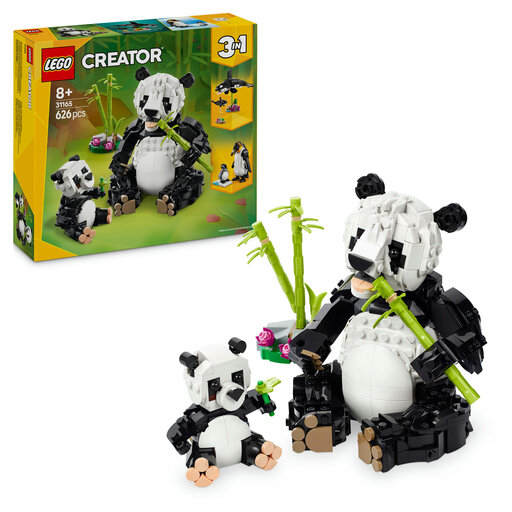
Why this product suits this type of user: Designed for children aged 8 and over, this 3-in-1 building set lets them build three animal families from 626 pieces.
Rebuilding the pieces into different animal models adds variety to play, although the models can’t be built at the same time.
626 pieces, articulated animal figures and three alternative building options.
We’ve put together a complete, regularly updated list of products that meet these strict selection criteria and fully comply with the safety regulations in force across the EU.
For children aged 1 and over, choose large pieces that are easy to hold and don’t have small parts that can easily come loose. LEGO DUPLO sets marked as suitable from 1½ years can be a good option, provided you follow the manufacturer’s age guidance and supervise your child.
How long they last depends on the materials, workmanship, storage and the child’s age. Classic building bricks can stay interesting through several stages of development, especially if they can be combined with other sets. For foam pieces, check the covers, seams, fastenings and undersides regularly.
Magnetic building blocks should only be used by children in the stated age group. It’s particularly important to check for cracks or magnets that have come loose. Magnets must not be swallowed; stop using the toy if any pieces are damaged.