
Lieferung heute & morgen

Qualitätsgarantie

Willkommens-Angebote freischalten: KOSTENLOSE Lieferung | Bis zu 80 % RABATT | Kostenlose 30-Tage-JoyPlus-Testphase
App herunterladen
LEGO sets differ not only in colours and themes. What really matters is the age rating, number of pieces, build style, space required, and whether the model will be used for play or as decoration. If you focus solely on eye-catching packaging, popular characters or a high piece count, you could end up buying a set that doesn’t suit the child, the available space or your intended purpose.
Many LEGO building sets boast several hundred pieces. However, the number alone tells you very little about suitability. A model with 800 pieces may be designed primarily for display, whereas a smaller LEGO toy with figures, vehicles or moving functions is more likely to be used for imaginative role play.
The recommended age range takes into account the complexity of the building instructions, the size of individual elements and the intended scope of play. LEGO sets for children aged 4 and above often use larger starter pieces and manageable building steps. Sets for ages 7, 8, 9, 10, 12 or 18 and over, on the other hand, can require significantly more patience and finer motor skills.
Small parts are included in many models. They are not suitable for children under 3 years old. For younger children, you should also check whether adult supervision is required.
Before buying, you should compare the finished dimensions of the model with the intended storage location. A large display model may not fit on a narrow shelf. For a playset, it is also important to ensure there is enough space around the model for figures and accessories.
The age rating is your first filter. After that, the piece count and model function help you narrow it down:
The piece count should always be considered alongside the purpose. 166 to 253 pieces can be enough for a compact 3-in-1 model; 700 to 964 pieces suggest a longer building project or a larger display piece.
For children who want to act out stories, figures, moving elements and accessories are particularly important. These include animals, vehicles, tools, doors, swings or triggerable functions. For adults and collectors, build form, stability, display dimensions and thematic details often matter more.
LEGO Botanicals, LEGO Architecture and LEGO Ideas are usually designed for display in living areas, home offices or on shelves. LEGO Classic and many LEGO Friends sets, on the other hand, offer an open or scene-based play approach.
According to the product information, the items listed are made from ABS plastic. Before buying, you should read the warnings about small parts, the age recommendation and, where applicable, the need for supervision. A sorting box or a sealable container helps keep loose elements safe after play. For sets with lots of small accessories, a regular storage routine is particularly handy.
The LEGO Builder App can also assist with many sets. Depending on the product, it offers 3D views, the ability to rotate and zoom in on the model, and progress tracking. This doesn’t replace checking the age recommendation, but it can make orientation during the build easier.
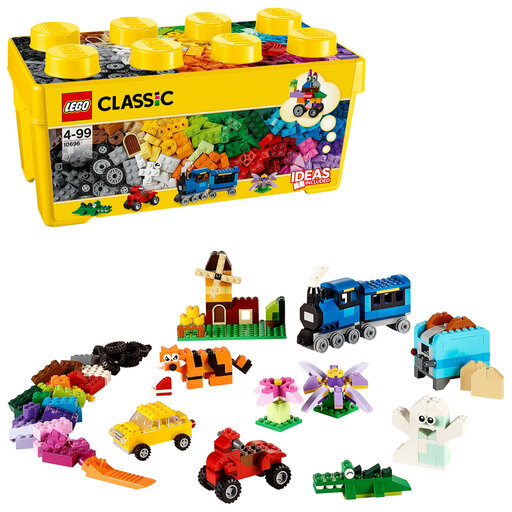
Why this product fits the profile: The box is aimed at children aged 4 and over and contains 484 elements in 35 colours, plus windows, eyes, wheels and base plates for free building ideas.
The pieces are not tied to a single scene. This keeps the set interesting even if the child wants to build their own models instead of the suggestions.
484 elements, storage box and first building ideas; compatible with other LEGO bricks.
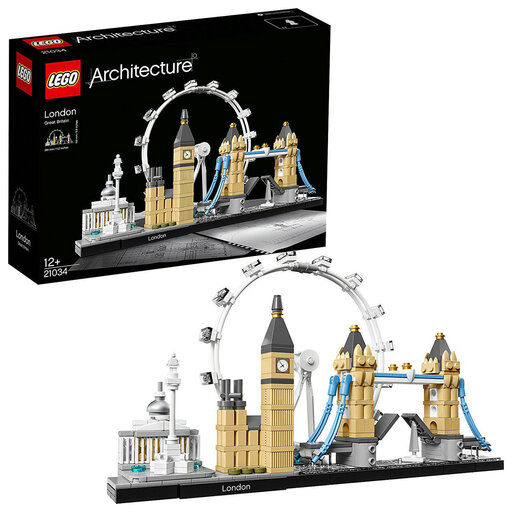
Why this product fits the profile: The model combines a clearly defined building project with a later display purpose and is aimed at adults and children aged 12 and over.
The dimensions are clearly stated: 15 cm high, 28 cm wide and 8 cm deep. This means you can check the display space before buying.
468 elements, several famous landmarks and an accompanying information booklet on architecture and history.
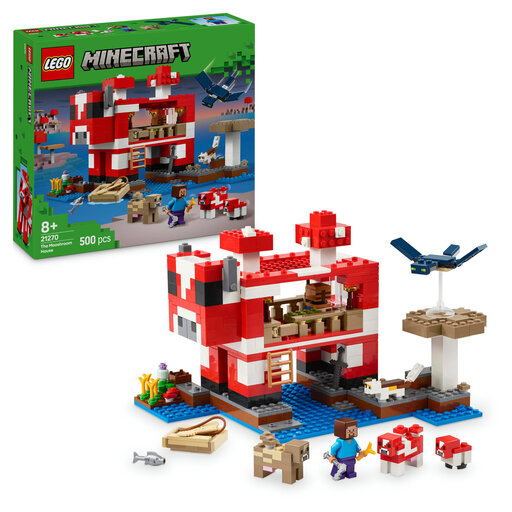
Why this product fits the profile: Minecraft fans aged 8 and over get an island with a mooshroom house, farm, boat, figures and accessories for repeatable play scenarios.
The set is not limited to a static model: the farm, boat, treasure hunt and multiple figures create different play scenarios.
500 elements, six figures or animal figures, plus digital 3D building instructions in the LEGO Builder App.
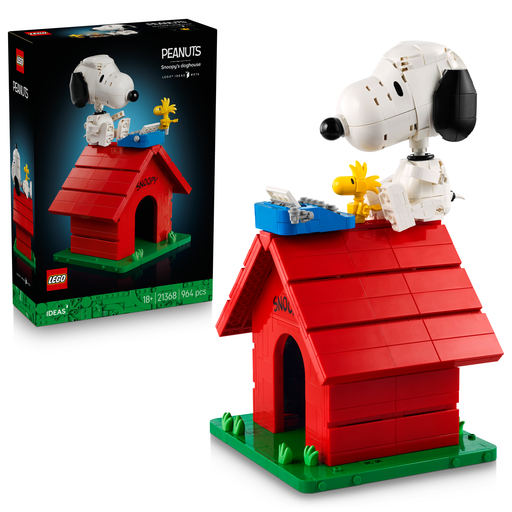
Why this product fits the profile: The model for adults includes Snoopy and Woodstock, 964 elements and adjustable positions, making it ideal for comic fans with a dedicated display space.
The product description gives specific display dimensions and several display options. This makes the decorative purpose clearer before you buy.
Poseable Snoopy figure, fold-out interior walls of the doghouse and two collectible figures for display.
We have put together a full, regularly updated list of products that fully meet these strict selection criteria and the safety regulations in force in the EU.
For getting started, LEGO Classic boxes and selected LEGO Friends sets are good options. What matters is the 4+ age marking, manageable building sections and play value that doesn’t rely solely on the finished model. The LEGO Friends Puppy Playground, for example, contains 66 elements, two mini-dolls and three dogs. Before buying, you should check the specific safety warnings for each product.
The time depends on the piece count, age recommendation, build style and experience. A compact 3-in-1 set with 166 or 253 pieces can be built and rebuilt in shorter sessions. Models with 700 or more pieces generally take longer and are better suited as a longer family or adult project. The LEGO Builder App can help you break the progress down into individual building steps.
LEGO Classic offers lots of free combinations and suits children who want to develop their own models. A themed set such as LEGO Minecraft, LEGO Disney, LEGO Friends or LEGO ONE PIECE is a better choice if there is already a specific interest in characters, games, films or series. When choosing, you should consider age, existing LEGO collection, available display space and the desired play style together.