
Lieferung heute & morgen

Qualitätsgarantie

Willkommens-Angebote freischalten: KOSTENLOSE Lieferung | Bis zu 80 % RABATT | Kostenlose 30-Tage-JoyPlus-Testphase
App herunterladen
LEGO building sets are a popular gift choice, but they differ significantly in age recommendation, building complexity, piece size and purpose. A colourful box or a high piece count alone doesn't tell you much about whether the set will actually be used in a child's room. If you're choosing LEGO sets for children, teenagers or adults, it's worth knowing a few typical buying and marketing pitfalls.
A set with 900 pieces isn't automatically more versatile than a smaller model. Many of those pieces might belong to a single display model, whereas a LEGO Classic box with various basic bricks, wheels, windows and eyes encourages free building. What really matters is whether the child prefers role play, free construction or a detailed model.
LEGO sets for ages 4+, ages 6+ and ages 10+ differ in small parts, building instructions and complexity. A set that's too challenging can lead to frustration. A model that's too simple, on the other hand, might quickly lose its appeal. The age rating on the box serves as a practical guide and should be matched against the child's previous building experience.
A model with lots of decorative elements can be great for collectors and fans, but isn't always designed for frequent rebuilding. Conversely, LEGO Friends or LEGO Harry Potter sets often include figures, animals and accessories for role play. Before buying, you should be clear about whether the building set is meant to sit on a shelf or to be played with regularly.
For toddlers, larger elements like those in LEGO DUPLO are easier to grip. The LEGO DUPLO Classic 10479 Colorful Creative Box Set is recommended from 18 months and contains 80 pieces. Classic LEGO bricks, by contrast, contain smaller elements. For children under three, small parts always pose a choking risk; the relevant safety warnings must be observed.
Even with older children, models with small figures, accessories or special functional elements should be used according to the age rating. When younger children are building, adult supervision can be helpful.
The piece count helps with comparison, but should be considered alongside the model type:
Also consider the included figures, animals, vehicles and moving elements. A set with fewer pieces can still offer many different play scenarios through multiple characters and accessories.
Before buying, it's worth checking the finished dimensions and the available space. The LEGO Harry Potter Hogwarts Castle and Grounds model, for example, is 21 cm high, 35 cm wide and 25 cm deep. The packaging is also relevant if the set is to be given as a gift or stored.
For free building, LEGO Classic sets with a storage box are ideal. The LEGO Classic 10698 contains 790 pieces, 33 colours, windows, doors, wheels and base plates according to the product description. A box makes sorting easier and reduces lost pieces.
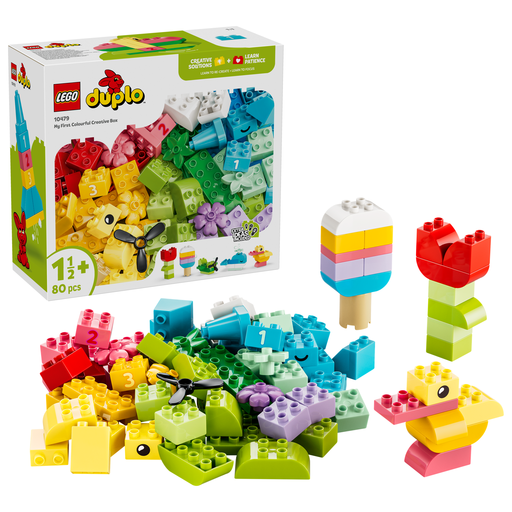
Why this product fits the profile: The 80 larger building pieces are designed for first building attempts from 18 months. Colourful bricks and simple inspiration cards make it easy to get started without requiring an extensive themed model.
The age rating and piece size reduce the risk of choosing a classic small-parts set for a toddler.
80 colourful pieces, number bricks and inspiration cards for free building.
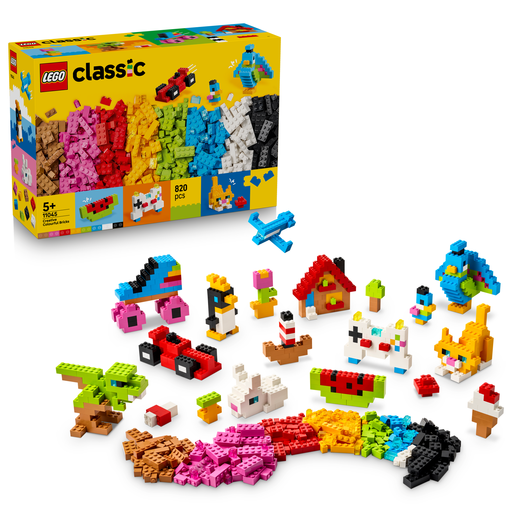
Why this product fits the profile: If you're looking for a versatile construction toy, you get 820 pieces, 14 model ideas and additional digital instructions for three larger models.
The selection isn't limited to a single display model; it supports building, rebuilding and combining.
Lots of basic bricks and accessories; suitable from age 5 and compatible with the LEGO Builder app.
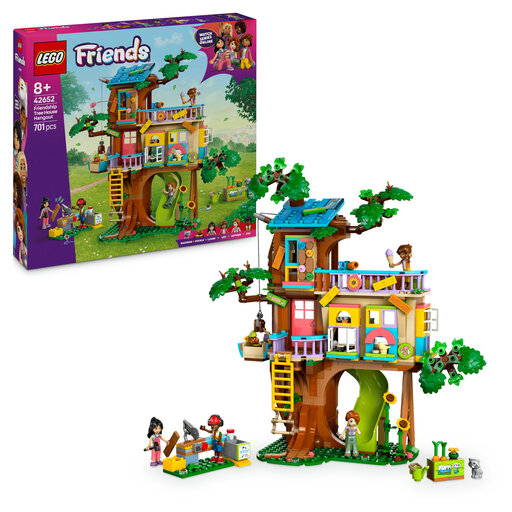
Why this product fits the profile: For children aged 8+ who want to combine figures, animals and stories. The tree house contains 701 pieces, four figures, two animals, plus a kitchen, sleeping area, garden, slide and dog lift.
The combination of building sections and playable areas prevents the finished model from being used only as decoration.
Multiple figures and animal models; lots of accessories and changeable elements for repeated role play.
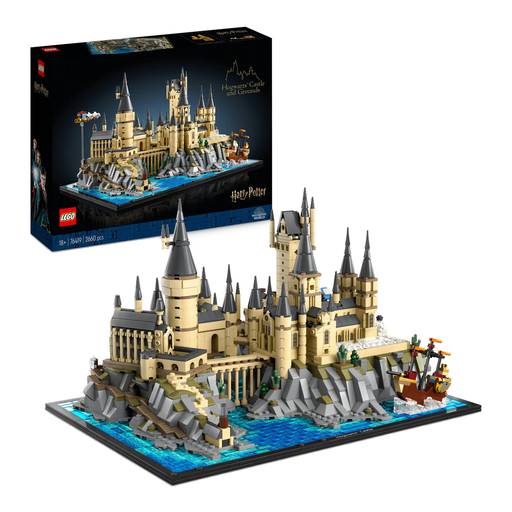
Why this product fits the profile: The 2,660-piece set is aimed at fans aged 18+ according to the product information, combining a lengthy build with subsequent display on a shelf or sideboard.
The clear focus on adult fans makes it transparent that the building and display purpose is the priority here.
Detailed castle complex with 2,660 pieces and a footprint of 35 × 25 cm.
We've put together a complete, regularly updated list of products that fully meet these strict selection criteria and the safety regulations in force in the EU.
Depending on interests, different product ranges may be suitable:
When choosing a building set as a gift, three questions help: How old is the person receiving it? Do they prefer free building or following instructions? Should the model be played with, rebuilt or displayed? These answers usually narrow down the choice more than price alone.
LEGO sets for ages 4+ often feature simple building sections and age-appropriate scenarios. The LEGO Friends 42665 Puppy Playground contains 66 pieces, two figures and three dogs according to the product description. For children with little building experience, such a manageable set can provide a suitable transition from larger bricks to classic LEGO bricks.
There's no fixed ideal piece count. For younger children, 60 to 300 pieces is often manageable. Children aged 6 or 8+ can handle more extensive play worlds, while LEGO sets for ages 10+ and adult models can include several hundred or thousand pieces. More important than the sheer quantity are clear instructions, suitable figures and a play theme that matches their interests.
For individual models, a dry, dust-protected place away from direct sunlight is ideal. For LEGO Classic and other free building sets, labelled boxes or sorting trays are helpful. If pieces from several sets are mixed together, special parts and figures should be stored separately. This keeps later rebuilding and repairs manageable.