
Lieferung heute & morgen

Qualitätsgarantie

Willkommens-Angebote freischalten: KOSTENLOSE Lieferung | Bis zu 80 % RABATT | Kostenlose 30-Tage-JoyPlus-Testphase
App herunterladen
LEGO sets are a popular gift choice, but they differ significantly in age recommendation, piece count, minifigures and play concept. A large box doesn’t automatically mean it’s right for the child. When choosing, what really matters are the child’s abilities, the space available, and whether the set is for building, free play, re-enacting scenes or later display.
A high number of bricks can indicate a substantial set, but it doesn’t tell you much about how it will actually be used. A set with 1,400 pieces is probably aimed at older children or adult fans, and requires more time and concentration. For younger children, a smaller LEGO set with minifigures and an instantly playable environment may be a better fit.
LEGO sets for ages 4 and up often include starter bricks, simplified instructions and larger, quickly recognisable building steps. Sets for ages 7+ or 9+ are usually more detailed. The age recommendation doesn’t replace supervision: the product details on many sets warn about small parts and choking hazard. Products with such warnings should never be given to children under three years old.
A Disney theme or a familiar character might spark the initial buying impulse. What really matters, though, is whether the child actually enjoys role play, wants to build free models, or would prefer a figure to play with and display. So before you buy, you should consider the theme, the minifigures and the intended use together.
For LEGO toys for children, the official age recommendation is a practical starting point. With LEGO sets for ages 4+, starter elements and picture-based instructions make it easier to get started. LEGO sets for ages 5+ may already include smaller minifigures and more detailed models. LEGO sets for ages 7+ and LEGO sets for ages 9+ often offer more moving functions, more complex builds or display models.
Digital instructions in the LEGO Builder app can, depending on the set, allow you to zoom, rotate and save your building progress. That’s helpful, but it doesn’t replace checking whether the child can manage the building steps on their own.
The piece count should be matched to the intended location. A model can take up significantly more floor space once built than the packaging suggests. So check:
LEGO Classic is especially designed for free building. Themed sets like LEGO Disney, LEGO Disney Princess, LEGO Friends or LEGO Creator, on the other hand, follow a more specific play concept.
According to the manufacturer, the products mentioned are mostly made from ABS plastic. Several sets specify new materials and a non-toxic coating. Such details are product-specific and should be checked directly on the relevant product page.
Bricks should be stored dry and cleaned with a dry cloth as per the manufacturer’s instructions. Damaged or loose parts should be sorted out. With young children, direct supervision is also advisable, especially when older and younger siblings are playing together.
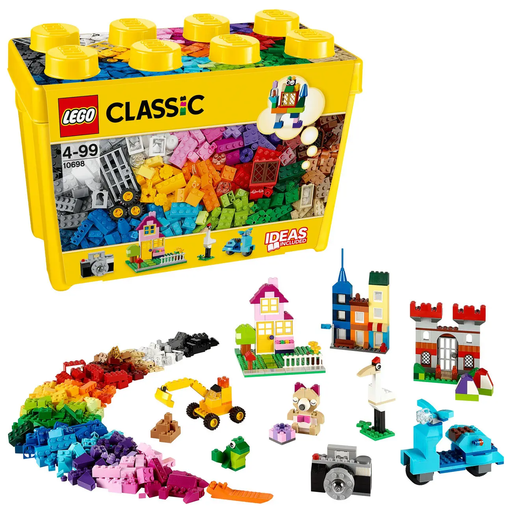
Why this product fits the profile: The box is aimed at children aged 4 and up and offers 790 pieces in 33 colours, windows, doors, wheels and base plates for free building ideas.
The free building approach prevents the set from being used for just a single model. The storage box helps keep things tidy after play.
790 pieces, 33 colours, two different-sized green base plates and first building ideas.
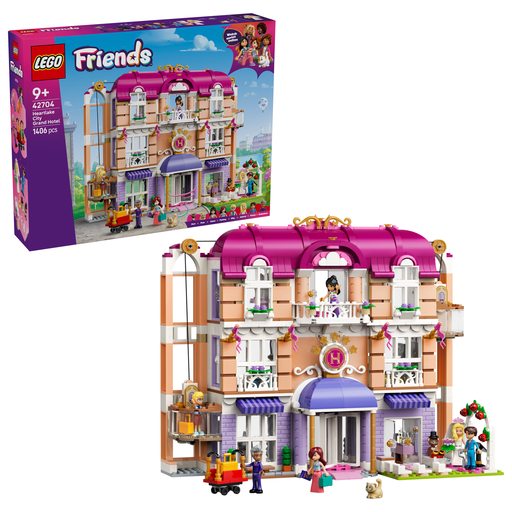
Why this product fits the profile: For older children aged 9 and up, this set offers an extensive model with five areas, six minifigures, two cats and functional play elements.
The piece count of 1,406 and the age recommendation make the scope transparent. This set isn’t something you’d give as a spontaneous gift to a toddler.
Two functional lifts, a rotating dance floor, six minidolls, two cats and 1,406 pieces.
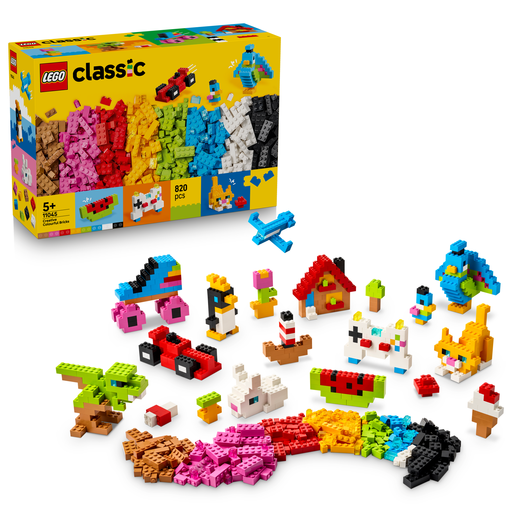
Why this product fits the profile: With 820 pieces, 14 suggested models and additional digital building ideas, this set is ideal for repeated building, rebuilding and combining.
The contents aren’t limited to a single figure or scene. Children can start by following the instructions and later develop their own models.
820 colourful pieces, 14 printed model ideas and digital instructions for three larger models.
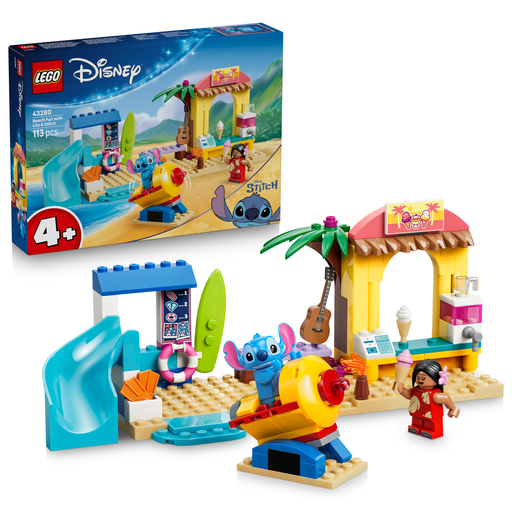
Why this product fits the profile: This set for ages 4 and up combines 113 pieces with Lilo and Stitch, a beach setting and several instantly usable accessories.
Starter bricks and a figure in each bag reduce the wait time before the first play session. The manageable piece count keeps the initial effort low.
113 pieces, two Disney figures, surf shop, slide, music stage and moving rocket ride.
We’ve put together a complete, regularly updated list of products that fully meet these strict selection criteria and the safety regulations in force in the EU.
LEGO sets for ages 4 and up are designed for younger builders and often include starter bricks and picture-based instructions. The LEGO Classic Large Creative Brick Box offers free building ideas, while sets like LEGO Disney Classic 43280 provide a specific play scene with figures. You should check the age recommendation and safety information on the product page before buying.
That depends on age, patience and play style. For a start, around 100 to 300 pieces can be manageable. Children who enjoy building for a long time or rebuilding models can benefit from 400 to over 800 pieces. However, the piece count alone doesn’t determine the play value: figures, accessories and free combination possibilities are also important.
For smaller collections, sealable boxes or sorting trays are suitable. Compartments separated by colour, shape or type of brick make it easier to find pieces. The LEGO Classic 10698 already includes a plastic storage box as part of the set. Larger models should be protected from direct sunlight and heavy dust if they’re going to be on display for a longer period.