
Lieferung heute & morgen

Qualitätsgarantie

Willkommens-Angebote freischalten: KOSTENLOSE Lieferung | Bis zu 80 % RABATT | Kostenlose 30-Tage-JoyPlus-Testphase
App herunterladen
For many, the Leibniz butter biscuit is more than just a baked good—it's a pantry staple, a companion on outings, and a familiar treat with coffee. But when choosing from the shelf today, consumers face more options than just the original. Varieties like the Leibniz whole grain biscuit or the reduced-sugar version offer alternatives for different needs and taste preferences.
This article serves as a guide. It provides an objective comparison of the key features of the most popular Leibniz varieties to help you make an informed purchasing decision.
Choosing the right biscuit depends on personal preferences and its intended use. Two criteria can help with the decision.
The foundation of every Leibniz Butter Biscuit is wheat flour. The differences are in the details:
A look at the nutritional information table on the packaging provides precise details on calories, fat, sugar, and fibre, helping you find the product that best fits your dietary habits.
The intended occasion can also influence your choice.
Here is a detailed overview of three key products from the Bahlsen biscuits range that cater to different needs.
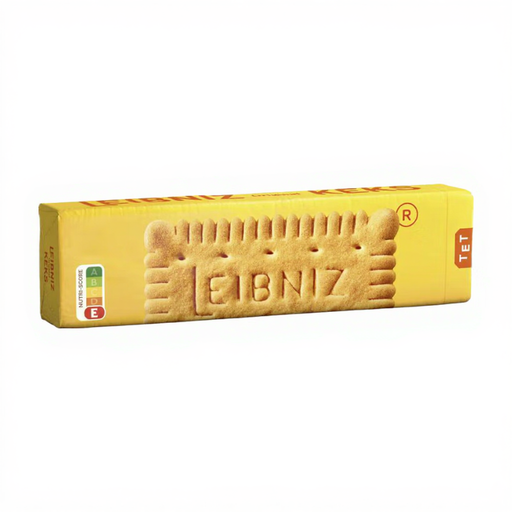
Why it stands out: This is the original, known for its unmistakable taste for generations. The recipe, with 12% butter, and its characteristic shape with 52 "teeth" make it a true classic.
Pros:
Who is it for? For lovers of traditional biscuit flavour who are looking for a proven product for the coffee table, for baking, or as a simple snack.
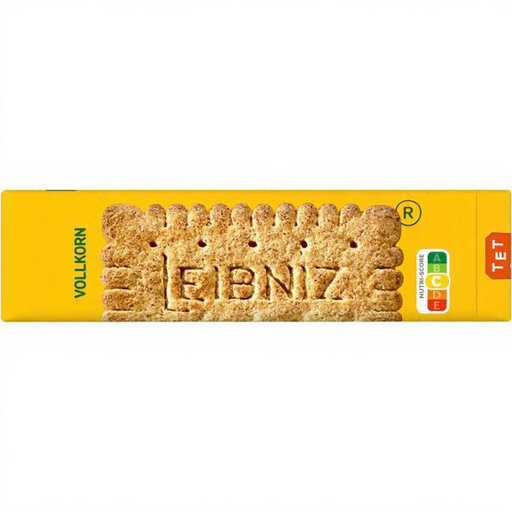
Why it stands out: This variety consistently focuses on whole grain. According to the manufacturer, the flour content consists of 67% whole wheat flour, giving the biscuit a higher fibre content and a richer flavour.
Pros:
Who is it for? For health-conscious consumers and families who prefer a higher-fibre snack option for outings, school, or the afternoon.
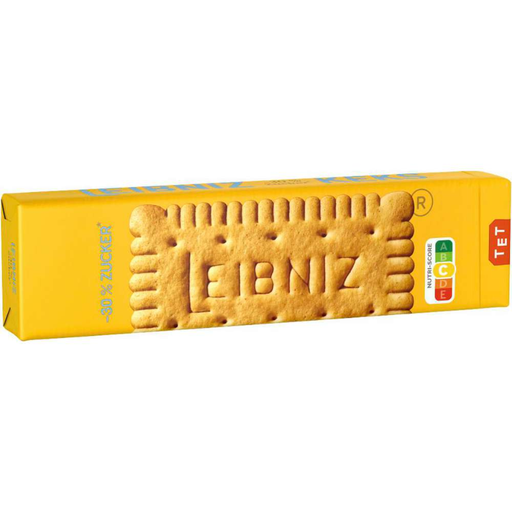
Why it stands out: This biscuit offers the familiar buttery taste with a significantly reduced sugar content. According to the manufacturer, it contains 30% less sugar than the original Leibniz Butter Biscuit. The use of oligofructose (a soluble fibre) contributes to its sweetness and texture.
Pros:
Who is it for? For individuals and families who want to actively reduce their sugar intake without giving up the pleasure of a butter biscuit.
The world of biscuits is vast. If you want to buy butter biscuits from a wider selection or discover other types of baked goods, you can find more varieties and brands in our assortment.
Discover the entire butter biscuit category here
1. How many teeth does the original Leibniz Butter Biscuit have? The original Leibniz Butter Biscuit traditionally has 52 teeth. This design feature has been a hallmark of the product since its creation.
2. How does the Leibniz Whole Grain Biscuit differ from the original? The main difference lies in the type of flour used. The whole grain biscuit is made with whole wheat flour, while the original uses classic wheat flour. This leads to differences in taste, texture, and nutritional profile, particularly a higher fibre content in the whole grain biscuit.
3. Are reduced-sugar Leibniz biscuits suitable for a low-sugar diet? The "30% Less Sugar" variety is a reduced-sugar option, but it is not sugar-free. At 12 g of sugar per 100 g, it contains significantly less sugar than the original (21 g per 100 g). Whether this product fits into an individual diet plan should be decided based on the complete nutritional information on the packaging and in consideration of personal dietary goals.