Traybake bakers
If you want to cut a traybake into plenty of portions for a cake sale, the baking area and a practical baking plan are key. Dr. Oetker’s lemon traybake recipe specifies a 40 × 30 cm tin and makes around 20 portions.


First decide whether you want to bake a large tray for plenty of portions or use a loaf tin. The 40 × 30-cm tray specified in the recipe needs an oven with enough usable baking space; a smaller countertop oven may be better suited to smaller tins or several batches. As well as the heating type, check the internal dimensions and accessories. For a built-in oven, make sure it will fit the available housing space. A capacity in litres or multi-level fan cooking alone does not guarantee that your recipe will work without adjustment.
If you want to cut a traybake into plenty of portions for a cake sale, the baking area and a practical baking plan are key. Dr. Oetker’s lemon traybake recipe specifies a 40 × 30 cm tin and makes around 20 portions.
For a glazed lemon loaf cake, the tin size, heating type and oven capacity all need to work together. Dr. Oetker’s recipe uses a 25 × 11 cm tin and gives specific settings for fan and conventional heating.
If you need a freestanding oven, check that your tin will fit in the usable interior and allow for the space it needs on your worktop, as well as any additional batches. Rommelsbacher and Severin specify different oven capacities and heating types for their countertop models.
For lemon cake to sell, the key is finding an oven type and size that suit your recipe, cake tin and kitchen.
| What matters | What to look for | Who should pay particular attention? |
|---|---|---|
| Baking space for plenty of portions | Compare the tray dimensions in your recipe with the usable interior and the oven’s compatible accessories. The Dr. Oetker recipe used here calls for a 40 × 30-cm tray. | If I need to bake as many portions as possible in each batch for a cake sale, usable tray space is essential. Around 33% of consumers put baking space first. |
| Loaf tin and recipe | Check the tin dimensions, shelf position and heating type against the recipe and the appliance instructions. Dr. Oetker specifies a 25 × 11-cm tin for its recipe. | For a glazed loaf cake, I want the tin, shelf position and recipe’s heating settings to work together. Around 27% of consumers prioritise matching the recipe and tin. |
| Installation and space | For a built-in oven, check the model-specific housing dimensions. For a countertop oven, measure the space it will occupy and check the usable interior. | If there’s no space for a built-in oven, I need somewhere suitable to put a freestanding one and must check that it will fit my tin. Around 27% of consumers say installation and positioning are their main concern. |
| Energy use and cleaning | For appliances with this information, compare the kWh per standard cycle for the same heating type. Also check which cleaning function the specific model offers. | If I use the oven regularly, I want to weigh up its energy use and cleaning effort based on specific information. Around 13% of consumers put energy use and maintenance first. |
A large capacity does not automatically mean that a particular tray will fit. Rommelsbacher gives the BG 1805/E’s usable interior dimensions as approximately 34 × 28 cm, which is smaller than the 40 × 30-cm tray used in the Dr. Oetker recipe referenced here.
Check the tray specified in your recipe against the usable interior and the accessories designed for that model, rather than relying on the capacity in litres alone.
Depending on how you plan to use the oven, you may need to buy additional compatible trays.
An oven’s energy label shows consumption per standardised cycle, listed separately for each heating type. It does not tell you directly how much electricity a particular lemon cake will use.
Compare kWh figures for the same heating type and on the same basis, rather than trying to work out the cost of your recipe from the energy rating alone.
The instructions on heat and safety clearances in the Rommelsbacher BG 1805/E user manual are important when deciding where to put it.
Before choosing a freestanding oven, plan where it will go using the instructions for the exact model you’re considering.
A spot that does not allow for the clearances specified for the model may not be suitable.
Built-in ovens for buyers looking for fan cooking on several levels, as well as a suitable housing space. The HB314G0S3 is one example.
Built-in ovens with a range of cleaning functions. The HBA571BB4 is one model to consider when comparing cleaning options and housing requirements.
Larger freestanding ovens for kitchens without space for a built-in model. With the BG 1805/E, the usable interior and a suitably sized tin are key.
Compact freestanding ovens. For the TO 2068, check whether your particular cake tin will fit.
This selection includes a built-in oven with 3D hot air, as well as freestanding ovens and air fryer ovens. The key is to check whether your loaf tin or baking tray will fit in the usable interior.
 No image available
This built-in model is worth considering if it fits your housing space and you’d like to use 3D hot air. Check the recipe instructions against the appliance manual.
71-litre capacity; 3D hot air on up to three levels; baking tray and telescopic rails listed; pyrolytic cleaning.
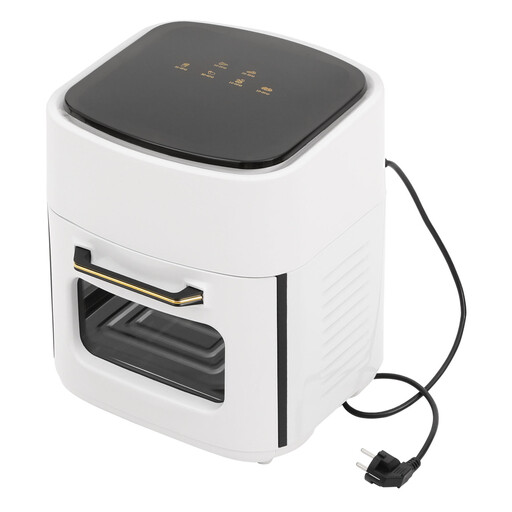 No image available
This compact countertop model could work if a smaller tin suits the cake you’re planning to bake. Check the usable internal dimensions before buying.
15-litre capacity; 1,400 W; baking function and 360° fan heating; touch controls and viewing window.
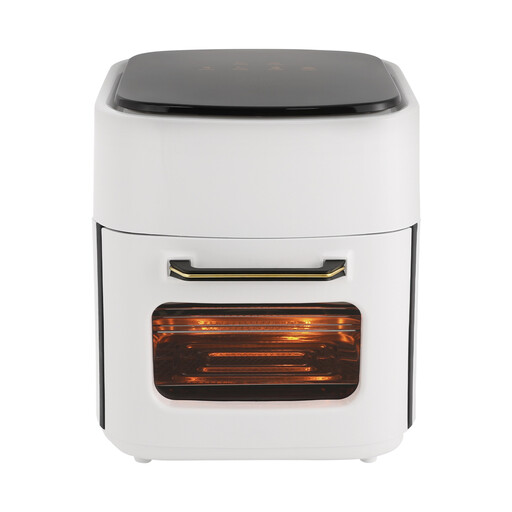 No image available
This freestanding appliance has a baking function. Compare the internal dimensions with your loaf tin or baking tray.
15-litre capacity; 1,400 W; 360° fan heating; temperature control from 80–200 °C and timer from 5–65 min.
 No image available
This small countertop oven is only an option if your cake tin fits and your chosen spot allows for the required clearances.
6.5-litre capacity; 1,700 W; baking function and 360° hot air circulation; temperature control from 80–200 °C. The manufacturer specifies a stable, heat-resistant surface and sufficient clearance.
 No image available
This freestanding appliance is worth considering if you’re looking for a larger countertop oven. Check your chosen cake tin against the usable interior.
30-litre capacity; 1,800 W; baking function and 360° air circulation; six accessories listed. Keep the appliance away from flammable materials, as instructed.
Follow the specific recipe and your oven’s instructions. For its loaf cake in a 25 × 11-cm tin, Dr. Oetker recommends around 150 °C with fan cooking or 170 °C with conventional heating, for approximately 60 minutes. These settings are not automatically suitable for other tins or recipes.
The Dr. Oetker lemon cake recipes referenced here call for the oven to be preheated. The European Commission also recommends preheating only when the recipe or appliance instructions say to do so.
For a built-in oven, check the housing dimensions for the specific model. For a countertop oven, follow the model-specific positioning and clearance instructions. Also check the usable interior against the size of your cake tin or baking tray.
Whether an occasional private cake sale is considered a business activity depends on the circumstances. The official guidance from Baden-Württemberg’s consumer portal lists factors including duration, frequency, scale and level of organisation. Check the requirements with the event organiser and, if necessary, the relevant food safety authority. Good food hygiene is important in all cases.